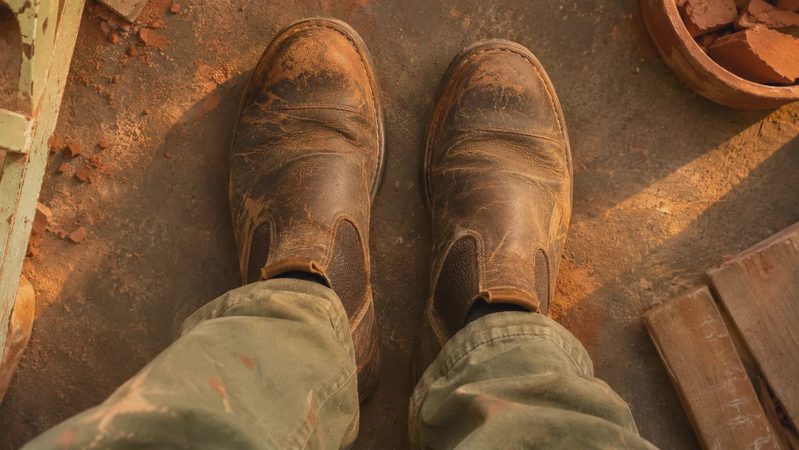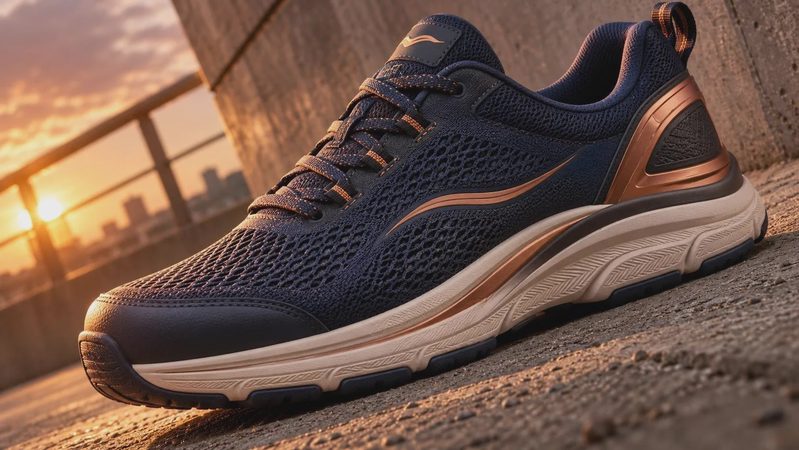
Timberland Earthkeepers are best approached as everyday boots with an environmental marketing story, not as automatic jobsite or fire-line footwear. Some may suit commuting, shop errands, and light outdoor use. For a work shift, the exact boot's safety rating, fit, and construction matter more than the name on the box. This is a buyer's guide, not a field-tested review; I won't pretend a label tells me how a particular pair holds up.
What the Earthkeepers name tells you
Timberland has used the Earthkeepers name on footwear and other products, so it isn't a single boot with one fixed set of features. A listing might refer to an older pair, a particular boot style, or a product using the name in a different way. Start with the full model name and style number, usually found on the box or an interior label. Then match those details to the manufacturer's description for that exact item.
That matters because timberland earthkeepers listings can look alike while leaving out details that change the job a boot can do. Don't assume every pair has a safety toe, waterproof membrane, slip-resistant outsole, or repairable sole. If a seller can't show you the label or explain what a feature means, treat the feature as unverified.
For a buyer who needs a certified safety toe, Timberland PRO is a separate line worth checking for an appropriately rated model. For traditional leather work boots, Red Wing's work boot line is another place to look. For outdoor hiking rather than jobsite protection, look at a Merrell Moab hiking boot. None of those names replaces a check of the individual boot's specifications or your employer's requirements.
Check the job requirements first
If your site requires protective footwear, find out which hazards the boot must address before shopping. A safety toe, puncture resistance, electrical-hazard protection, and slip resistance address different problems. One doesn't automatically provide the others, and a steel toe alone isn't proof that a boot meets every site requirement.

Look for the applicable ASTM marking on the footwear label and compare it with your employer's written rules. The label should identify the relevant standard and classifications; a generic product-page claim of "work ready" is not enough. Electrical-hazard footwear is not a substitute for safe electrical practices, and its protection can be affected by wear and conditions.
For wildland fire assignments, timberland earthkeepers should not be assumed to meet agency boot requirements. Check the current rules for your agency and assignment, including required height, materials, sole, and any applicable certification. Don't improvise because a boot looks rugged. Ask your supervisor or equipment officer when the requirement isn't clear.
The same caution goes for heat. Leather on the outside doesn't prove that the sole, adhesives, lining, or laces are appropriate around fire. A backyard flame test won't establish compliance or predict what happens during a shift. Leave the barrel out of the safety decision.
Fit the boot for the work, not the mirror
Try boots with the socks you expect to wear on shift. Stand up, lace both boots, and walk long enough to notice pressure across the forefoot, over the instep, and at the ankle. Your toes need room to move without striking the front when you walk downhill. Your heel should feel secure without the laces having to be cranked painfully tight.
A little stiffness in new leather is normal; sharp pressure, numbness, or toes pressed together aren't things I'd count on breaking in. If one foot is larger, fit the larger one. Try the boots later in the day if your feet tend to swell during long shifts, and check the seller's return rules before wearing them outside.
With timberland earthkeepers, pay attention to the specific model's shape rather than assuming every pair fits the same way. Sizes and widths can vary by design, and a thick replacement insole can take up room you need. If you use an orthotic, bring it to the fitting and make sure the boot still holds your heel securely.
Read the construction and environmental claims
Turn the boot over and look at how the sole joins the upper. A visible stitch line can be useful information, but it doesn't by itself prove the boot can be resoled. Construction methods vary, and a cobbler needs to see the actual pair to judge whether a repair is practical and economical. Ask before buying if resoling is a major reason you're considering it.
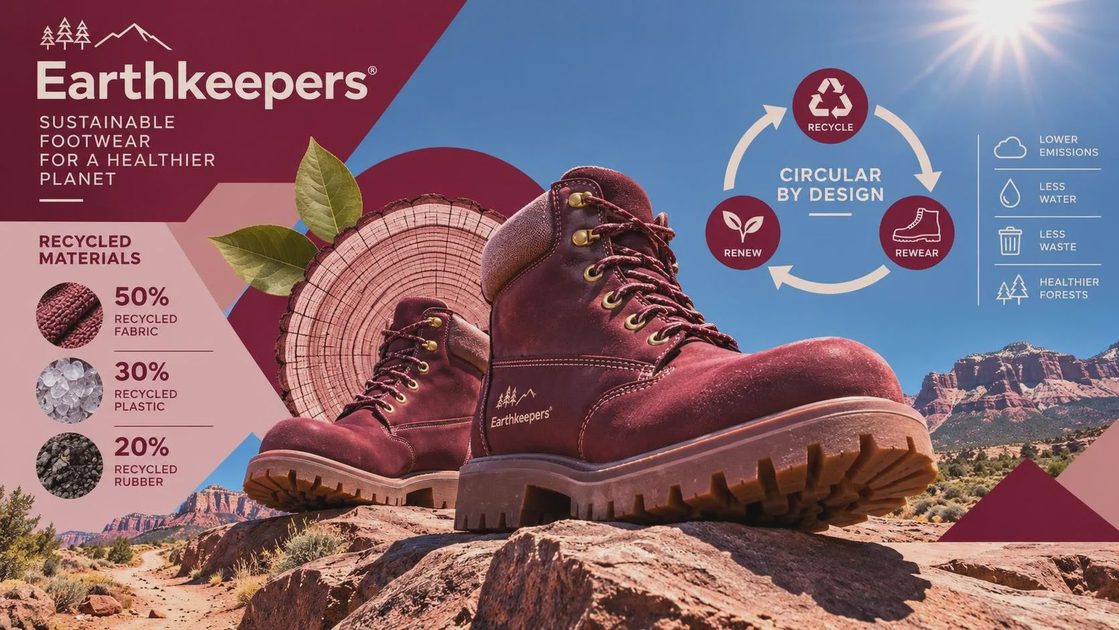
Environmental claims deserve the same plain reading. Timberland earthkeepers have been associated with materials and manufacturing claims intended to reduce environmental impact, but those claims aren't identical across every product or year. Look for the stated material, the part of the boot it applies to, and any percentage the manufacturer provides. Recycled content in a lining, for example, doesn't mean the entire boot is recycled.
Also distinguish water resistant from waterproof. Water-resistant leather may shed some moisture without keeping your feet dry through sustained wet conditions. Even a boot sold as waterproof needs care, and water can still enter over the top. Check the exact product description rather than relying on a marketplace seller's headline.
Buying used or discounted
Older timberland earthkeepers can turn up in resale listings, where condition matters more than a flattering photograph. Ask for clear pictures of both soles, heels, toe boxes, interior labels, and the area where the upper meets the sole. Uneven heel wear, deep cracks, loose seams, or separation at the sole edge can turn a bargain into a repair bill.
Ask whether the boots have been stored in a hot or damp space and whether they have odors or interior damage. Photos won't reveal every problem: an aging sole or adhesive can fail even if the upper looks decent. If you can't inspect the pair in person, understand the return policy and factor that uncertainty into the price.
For new pairs, compare the total price with boots that actually meet your needs, not just the markdown from a suggested price. A cheaper casual boot is no savings if your crew requires a certified safety toe and you have to buy another pair Monday morning.
Care without overpromising
Brush off dried dirt, clean according to the manufacturer's instructions, and let wet boots air-dry away from direct heat. A conditioner appropriate for the specific leather can help maintain it, but test it on a small area first: treatments can darken leather or change its appearance. Don't assume a conditioner adds waterproof protection unless the product says so.
Inspect the sole and seams regularly, especially before a demanding day. When tread is worn down, the sole separates, or the boot no longer supports your foot, get a repair assessment or replace it. Timberland earthkeepers may be a reasonable everyday choice when the particular pair fits and matches your use. For hazardous work, buy to the requirement first and the branding second.