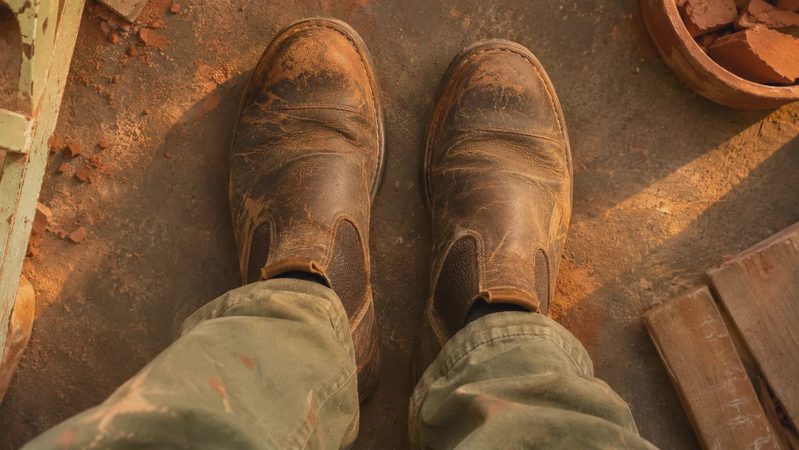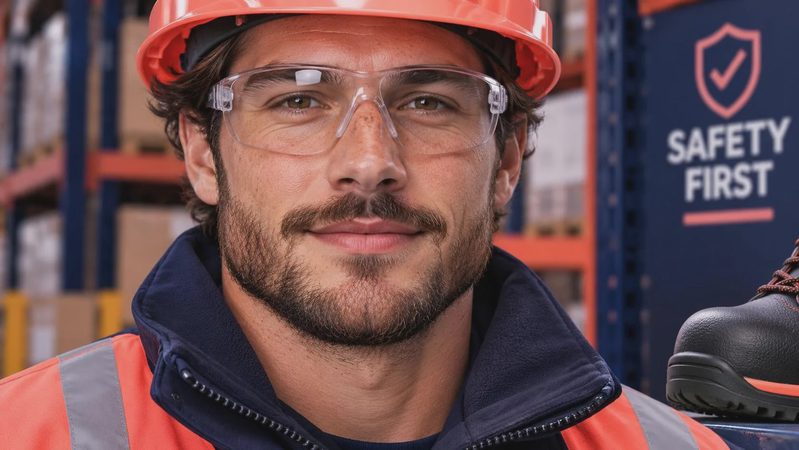
The best shoes to wear for standing on concrete all day depend on what your shift demands: a cushioned walking shoe for a clean warehouse, or a properly rated work boot when the job calls for toe protection. Start with the Brooks Ghost for indoor work without a safety-toe requirement, the New Balance 990 line if you need to explore different widths, or the Timberland PRO line when you need a work shoe or boot with job-specific protection. None is a universal fix for sore feet, and the fit matters more than the name on the heel.
A concrete floor doesn't give much back. A shoe needs enough cushioning to take the edge off, a stable base that doesn't make your ankles work overtime, and room for your feet to spread as the shift goes on. If your employer requires protective footwear, start with that requirement before you get distracted by a soft insole.
Best shoes to wear for standing on concrete all day: where to start
Brooks Ghost is a sensible place to look for a worker who walks between stations, stands at a counter, or works indoors without protective-toe rules. It's a running-shoe line, so the priority is cushioning and a relatively flexible stride rather than protection from dropped stock. Check the outsole against your floor conditions; an ordinary running shoe isn't a substitute for a required slip-resistant work shoe.
New Balance 990 is worth trying if finding the right width has been a fight. New Balance offers width options in the line, though availability varies by model and retailer. It can suit someone who wants an everyday athletic shoe for a shop or office floor. Try it with your work socks, and don't assume the same size will feel identical across versions.
Timberland PRO offers work footwear for people who need more protection than a sneaker provides. Look at the specific model's safety-toe and traction labeling rather than assuming every shoe in the line has the same features. A protective boot can be heavier and warmer than a running shoe, but that trade is worth making when the hazard calls for it.
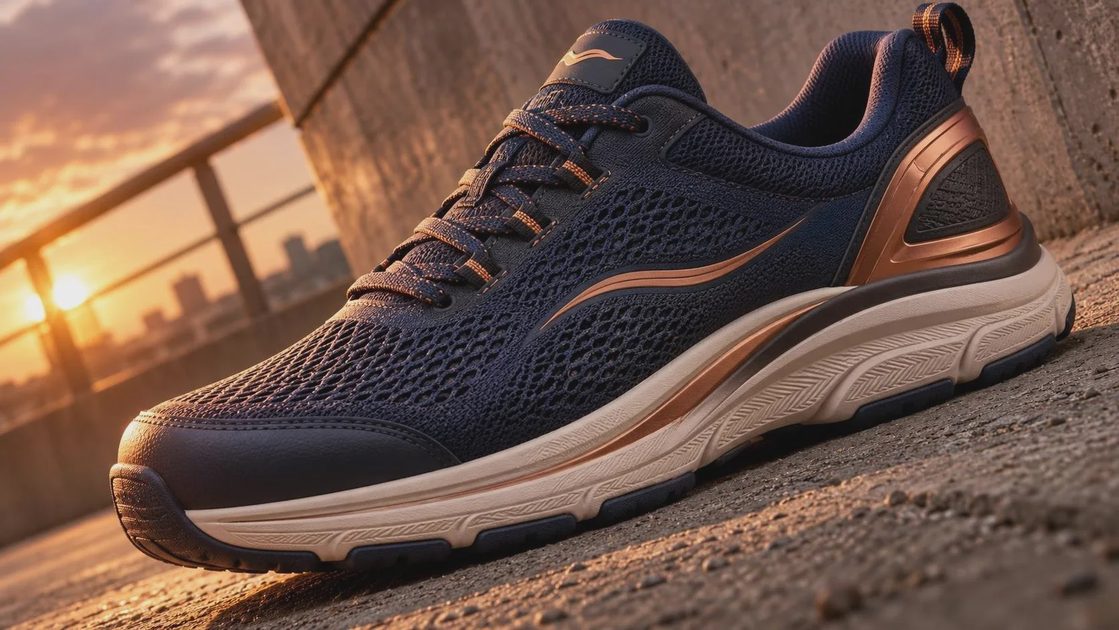
Another option is the KEEN Utility line, which includes work shoes and boots for people who want protective features without necessarily wearing a tall boot. Some models offer safety toes; some have other job-specific ratings. Check the individual listing and the label inside the footwear. The shape may suit your foot better or worse than another brand, and that's something a spec sheet won't settle.
These are starting points, not claims of a head-to-head field test. Try the pair that matches your hazards and your foot, not the one with the loudest comfort claim.
Match the shoe to the floor and the hazards
For dry, clean concrete and no protective-footwear requirement, a walking or running shoe can be a reasonable choice. Look for a broad, steady platform and cushioning that compresses without feeling wobbly. A very soft shoe may feel good for five minutes and less reassuring when you're standing in one spot or carrying a load.
For a warehouse, mechanic's bay, or construction site, ask which protections the employer actually requires. Safety-toe footwear should carry the applicable ASTM marking on the label; check the required rating with your employer or safety lead. Electrical-hazard protection, puncture resistance, and slip resistance are separate considerations. A safety toe alone doesn't mean a shoe covers all three.
Wet or oily floors deserve special attention. Look for footwear identified by the manufacturer as slip resistant and suited to the contaminants you encounter. No sole prevents every slip, and a tread packed with grease or debris won't perform as intended. Clean the outsole and report spills rather than counting on the shoe to do the whole job.
For wildland fire, don't treat a warehouse sneaker or generic work shoe as fire-line footwear. Follow your agency's boot and protective-equipment requirements. Concrete comfort and fire-line compliance are different jobs.
Fit the pair for a full shift
Shop later in the day if you can, when your feet may be a little larger than they were at breakfast. Wear the socks you use at work. Stand up in both shoes and leave roughly a thumb's width in front of the longest toe as a starting point; your toes should be able to move without striking the front as you walk.
The heel should stay reasonably secure without lacing the shoe so tight that the top of your foot aches. Some movement is normal, especially in a new boot, but persistent rubbing is a warning. Walk on a hard floor in the store if possible, turn a few corners, and stand still for several minutes. A shoe that pinches immediately is not a sound bet for a ten-hour shift.

Width matters at both ends of the shoe. A wide forefoot with a loose heel can still cause trouble, and a narrow safety-toe cap can press on your toes even when the length is right. Try another width or another model instead of sizing up until the shoe slides around. Check the retailer's return policy before wearing the pair outdoors or on a dirty jobsite.
Insoles, wear, and the rest of the setup
An insole can fine-tune a shoe that already fits. A cushioned insert may soften the feel underfoot; a more structured one may suit someone who wants additional support. Remove the original insole if the replacement is designed to take its place. Stacking inserts can crowd your toes and change how the heel fits.
For safety footwear, check the manufacturer's instructions before swapping the insole. An aftermarket insert may change the fit or affect a protective feature, and some workplace rules may limit modifications. Don't grind down a protective toe or alter a boot to force a fit.
Replace footwear when the outsole is worn smooth, the upper no longer holds your foot securely, or the cushioning feels compressed and uneven. There isn't one honest replacement schedule for every worker: body weight, floor surface, walking distance, and the shoe's construction all change the wear rate. Inspect the tread regularly, particularly if traction is part of your job.
Shoes are only one part of the setup. An anti-fatigue mat can help at a fixed workstation when the workplace permits one; it should lie flat and not create a trip hazard. Change positions or walk briefly when the job allows. If pain persists, worsens, or comes with numbness or swelling, get it checked by a qualified clinician rather than buying insert after insert.
My pick for a dry indoor shift is to start with the Ghost or a well-fitting New Balance model. For a job with falling-object hazards, start with a correctly rated Timberland PRO or KEEN Utility model instead. Put the requirement first, then choose the pair your feet can live with.