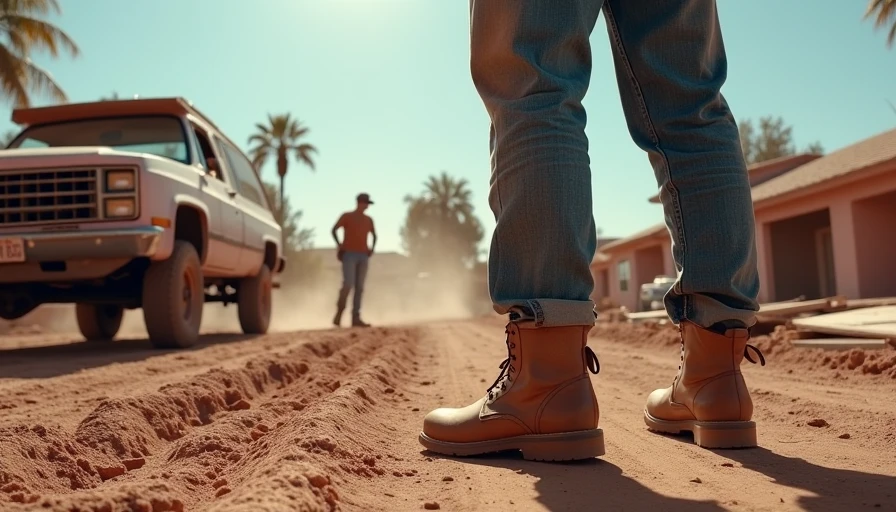
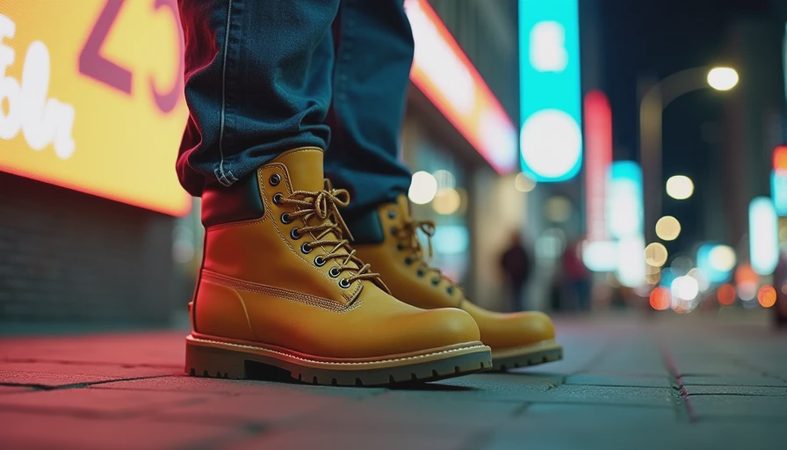
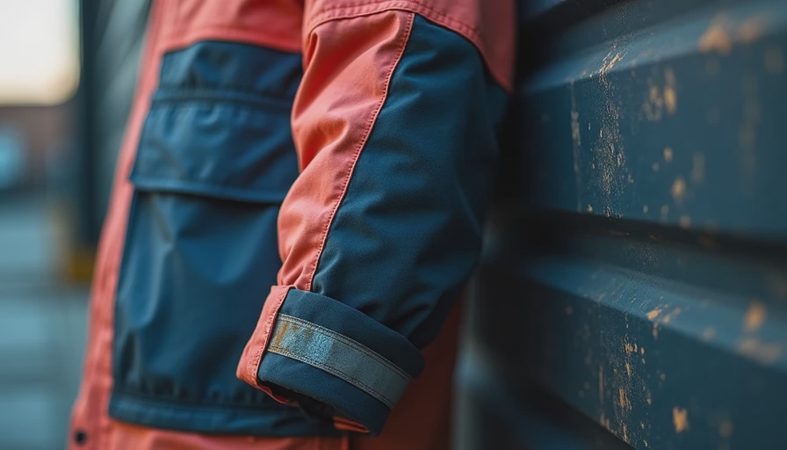
If you are searching for fire resistant clothing near me, you probably do not need another glossy product page promising protection with a handsome model standing beside a truck. You need a shirt, pant, jacket, or coverall that fits correctly, survives hard work, and gives you a better margin when heat, sparks, or flash fire enters the picture. I spent 15 years on wildland crews, and I learned quickly that the label matters less than the full garment, the fabric, the seams, and how it behaves after a long shift.
Start with the hazard, not the logo. Wildland fire, welding, utility work, oil and gas, electrical maintenance, and brush clearing all expose clothing to different risks. Flame-resistant clothing is designed to self-extinguish or resist ignition when removed from a flame source. It is not fireproof, and it does not make a worker safe in every situation. Proper training, gloves, boots, eye protection, and job-specific procedures still do the heavy lifting.
What to Look For Before You Buy
When comparing fire resistant clothing near me, read the inside label before judging the color or cut. Look for the fiber content, care instructions, and applicable performance standard. Common standards include NFPA 2112 for flash fire garments and NFPA 70E clothing requirements for certain electrical hazards. ASTM test methods also appear on labels and technical sheets. Those markings do not mean every garment suits every job, so match the standard to your employer's hazard assessment.
Cotton treated for flame resistance can be comfortable, breathable, and reasonably priced. It can also lose performance when abused by harsh laundering or chlorine bleach. Inherently flame-resistant fibers, including aramid blends and some specialty modacrylic fabrics, have protective properties built into the fiber. They often cost more, but their performance is not dependent on a topical treatment. A $60 FR shirt that fits well and gets washed correctly is more useful than a $140 shirt left in a locker because it feels like a plastic bag.
Check the closures, too. Snaps and zippers should be covered where the hazard calls for it. Cuffs need enough adjustment to keep sparks from finding your wrist. Pockets should not create snag points, and the fabric should cover the waist when you bend, climb, or run a saw. Hold the garment up and inspect the stitching. Thin thread, loose bartacks, and decorative seams are weak spots no catalog photograph will show.
Finding Fire Resistant Clothing Near Me Without Wasting a Saturday
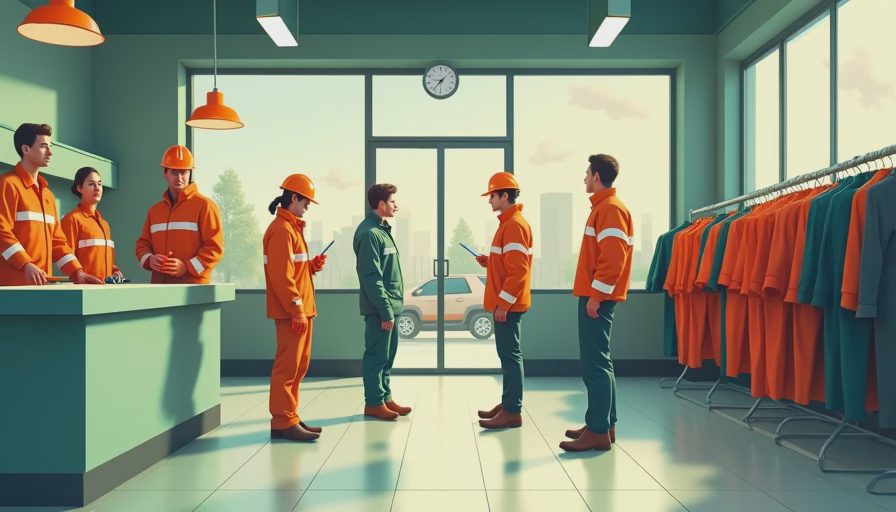
A local workwear store is useful because you can test fit before spending money. Search for fire resistant clothing near me, then call ahead and ask whether the store carries certified FR garments in your size. Many general hardware stores stock cotton work shirts but do not carry legitimate arc-rated or flash-fire-rated options. Industrial uniform suppliers and dedicated safety distributors are more likely to have brands such as Ariat FR, Bulwark, Wrangler FR, Carhartt, and Lapco in stock.
Try the garment in the position you actually work. Raise both arms, crouch, climb an imaginary ladder, and reach across your chest. Shirt tails should stay tucked if your job requires that. Pants should not pull tightly across the seat or expose your boot when you kneel. A good FR layer is slightly roomy without hanging loose around machinery. If you wear a base layer, bring it to the store. Fit changes when a merino shirt or thermal layer sits underneath.
Price gives you a starting point, not a verdict. Basic FR shirts commonly land around $70 to $130, work pants around $100 to $180, and heavier jackets or coveralls can run from $150 to more than $300. Local stores may charge more than online sellers, but avoiding a return, shipping delay, or bad size can justify the difference when your next shift starts Monday morning.
Choosing Fabric for the Work You Actually Do
For a wildland or trail crew, weight and drying time matter. A heavy garment can protect against abrasion but become miserable during a hot August hike. Look for durable ripstop or tightly woven fabrics, articulated movement, and ventilation that does not compromise required coverage. Avoid synthetic rain shells unless the manufacturer specifically states they are appropriate for the hazard. Ordinary nylon and polyester can melt or shrink in high heat.
For welding or fabrication, spark resistance, coverage, and leather-compatible design usually matter more than a lightweight hiking cut. A shirt with a long tail, closed cuffs, and a higher collar gives sparks fewer paths to your skin. For electrical work, use the arc rating and required PPE category specified by the employer. A garment described only as “FR” is not automatically suitable for an arc-flash exposure.
Wash the clothing exactly as directed. Do not use chlorine bleach, fabric softener, or unauthorized stain treatments. They can damage fibers or leave a flammable residue. Inspect elbows, knees, cuffs, and the area around pocket openings after every hard season. If the fabric is torn, soaked with a chemical, badly contaminated, or altered by a tailor, pull it from service until a qualified person determines whether it remains protective.

Online Versus Local Buying
The best fire resistant clothing near me is not always sitting on a shelf nearby. Online retailers usually offer more sizes, tall cuts, women’s options, clearance colors, and detailed technical sheets. They also make it easier to compare a Bulwark shirt with a Wrangler FR shirt or a Carhartt jacket without driving across town. Buy from an established safety supplier, verify the exact model number, and read the return policy before removing tags.
Local buying wins when fit, urgency, or employer approval is complicated. A store employee who understands FR workwear can point out differences between a daily-duty shirt and a flash-fire coverall. Take a photo of the label and keep the receipt. If your company requires a particular rating, send the product page or label information to the safety manager before ordering a whole crew's worth.
Do not confuse “fire resistant” marketing language with certification. A product might resist a brief campfire spark yet fail the standard required for industrial work. Look for a clear manufacturer statement, test information, and care instructions. If the seller cannot explain what the garment is rated for, walk away.
My Field Checklist Before the First Shift
Before wearing fire resistant clothing near me recommendations into the field, I check five things: the hazard rating, the fit while moving, the fabric's heat and abrasion suitability, the closure and pocket design, and the care requirements. Then I wear the garment on a full shift before buying multiples. A shirt that feels fine for ten minutes can rub the neck after hour eight, trap sweat under a pack, or ride up every time you run a saw.
Keep a second work shirt in the truck, especially during smoky or wet assignments. Rotate garments so one set can dry completely. Mark your name inside the collar, but do not cut out safety labels. If the garment catches a spark, inspect the spot rather than assuming a tiny hole is harmless. Protection is a system, and a damaged layer changes that system.
The barrel does not lie, but neither does a long shift. Choose equipment that meets the documented hazard, fits the body, and can survive the way you work. Search fire resistant clothing near me when you need a local fitting, but do not let convenience replace a real label and a proper inspection. Worn in fire. Proven in dirt.