At 0530 in Missoula, the cold gets into your hands before the coffee does. A good construction work jacket should block wind, shrug off sawdust, and let you climb, kneel, reach, and carry without fighting the sleeves. I have worn plenty of jackets through rain, muddy truck beds, trail work, and long shifts. The ones worth keeping are not always the most expensive. They are the ones that still work after the cuffs are dirty and the zipper has been operated with gloves.
What a construction work jacket needs to survive
Start with the shell fabric. Cotton duck, usually between 8 and 12 ounces, has a tight weave that resists abrasion and handles ordinary jobsite abuse better than lightweight fashion canvas. It is not magic armor. Rebar, grinder sparks, and wet weather will eventually find its limits. A duck jacket with a durable water-repellent finish can shed light rain, but it will not replace a true rain shell during an all-day downpour.
Polyester and nylon blends dry faster and often weigh less. That is useful for roofers, framers, and anyone moving between indoor and outdoor work. The tradeoff is heat and melt behavior around open flame, hot exhaust, or welding. If your work includes sustained arc flash, flash fire, or molten metal exposure, buy a properly certified flame-resistant garment rather than assuming heavy fabric is safe. A standard cotton duck coat is not automatically flame resistant.
Look closely at the stress points. Bar-tacked pocket corners, reinforced elbows, metal or heavy-duty plastic zippers, and triple-needle stitching tell you more than a model name. Pull the jacket open and inspect the seam allowance around the pockets. That is where cheap workwear often starts to fail.
Insulation, lining, and weather protection
For a cold construction work jacket, insulation should match your pace. Quilted polyester is affordable, dries reasonably fast, and works well for stop-and-go tasks. Sherpa lining feels warm at the truck or lumber rack, but it can become bulky under a tool belt. Blanket lining is durable and comfortable, though it usually provides less loft than modern synthetic insulation.
A jacket that works at 25 degrees while you stand on a lift can be miserable at 40 degrees when you are carrying sheet goods all morning. If you sweat through the lining, the cold arrives when you stop. I prefer a medium-weight jacket with room for a merino or synthetic base layer. That setup gives you more control than one heavily insulated coat.
For wet climates, examine the hood and collar. A three-piece hood stays put better than a shallow hood sewn into the back of the neck. A storm flap over the front zipper helps, but it should not snag on a harness. Elastic cuffs keep out wind; adjustable cuffs are better when you need to fit over gloves. A dropped tail is useful when bending, but it should not hang so low that it catches on ladders or equipment.
Fit for real movement, not a catalog pose
A construction work jacket should fit over your normal work shirt without swallowing your shoulders. Try it while reaching overhead, crossing your arms, and bending to tie a boot. If the hem rides up across your back, the cut is wrong. If the armpit pulls when you reach for a drill, you will stop wearing it by the second week.
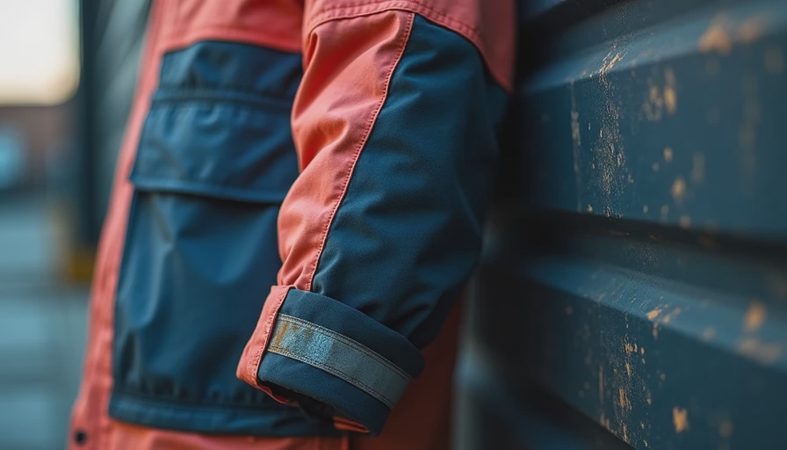
Pay attention to sleeve length. Cuffs should cover the wrist when your arms are extended, but they should not cover your knuckles or interfere with gloves. Articulated sleeves and gusseted underarms cost more to sew, yet they earn their place on jobs that involve ladders, framing, or repeated lifting.
Sizing is inconsistent across brands. Carhartt often offers roomy work cuts, while some Dickies jackets feel trimmer through the chest. Filson tends to use substantial fabrics and traditional cuts, but its price can climb well beyond what a daily jobsite coat needs to cost. Measure a jacket you already like and compare those numbers to the brand chart. Do not rely on small, medium, or large alone.
Pockets and details that save time
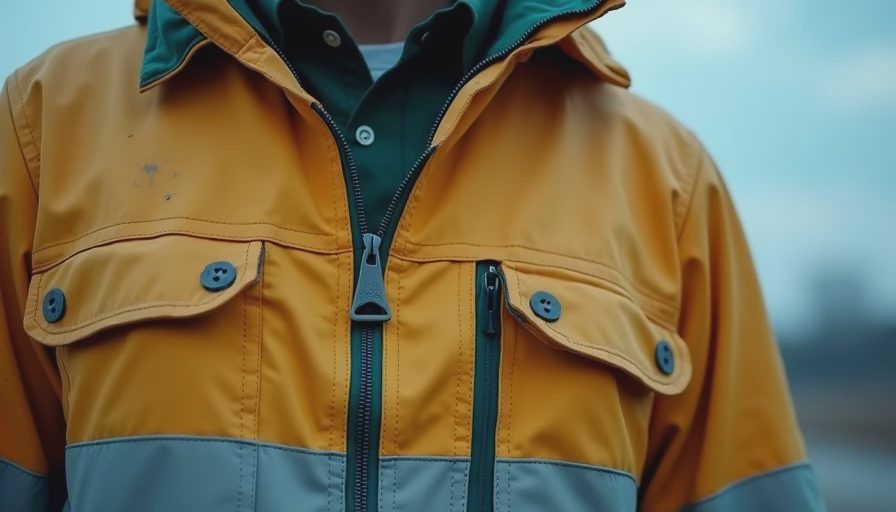
The best construction work jacket puts tools where your hands expect them. Two low hand pockets should be deep enough for a tape measure, phone, and cold fingers. Chest pockets are useful for pencils, inspection markers, and a small notepad, but a narrow zipper pocket is safer for keys. Interior pockets help protect electronics from dust and rain.
Avoid pocket layouts that look impressive but collapse under weight. A metal square, utility knife, and handful of fasteners can pull a loose pocket out of shape. Check whether pocket openings remain usable while wearing a tool belt. If the belt covers them, the jacket has lost one of its main advantages.
A two-way zipper can help when seated in a skid steer or truck. Snaps are quick with gloves, while zippers provide better wind control. I like both when the hardware is strong and the snap placket does not flap into the work. Reflective trim can improve visibility near traffic, though high-visibility clothing is a separate safety requirement when a site demands certified Class 2 or Class 3 apparel.
Comparing price without buying twice
A dependable construction work jacket usually falls into three useful price bands. Around $50 to $90, you can find lined cotton duck or polyester jackets from brands such as Dickies, Walls, and basic Carhartt models. These are sensible choices for occasional work, general maintenance, and a first cold-weather layer. Expect simpler cuffs, lighter hardware, and fewer fit refinements.
At roughly $90 to $180, construction improves. You are more likely to get better stitching, a stronger zipper, improved insulation, and a hood that actually stays in place. This is the range I would examine first for a crew member wearing the jacket four or five days a week. A construction work jacket in this bracket can earn its cost if it replaces two cheaper coats that fail at the pocket or cuff.
Above $180, you are paying for specialized materials, heritage construction, technical weather protection, or a recognized brand. That can make sense for severe weather or a narrow job requirement. It does not automatically mean longer life. A $250 coat with a delicate shell is a poor bargain around sharp steel and concrete dust.
Field test before the first hard shift
When your construction work jacket arrives, test it at home before removing tags. Put on your base layer and work shirt. Load the pockets with the items you actually carry. Climb stairs, reach overhead, sit in a truck, and kneel. Zip it with gloves. Check whether the hood blocks peripheral vision and whether the collar rubs your chin.
Then inspect the inside seams and lining. Loose threads are not an automatic failure, but a crooked zipper, skipped stitching, or pocket opening that already strains deserves a return. Wash it according to the label before trusting its final fit. Some cotton duck jackets tighten slightly after the first wash.
My practical rating is simple: Acceptable for occasional work, Serviceable for regular shifts, Battle-Tested when the fabric and hardware survive a season, and Barrel-Ready only when the jacket still has useful structure after serious abuse. The right construction work jacket does not need a clever slogan. It needs to protect your layers, hold up to the job, and be ready when the alarm hits 0530.
Worn in fire. Proven in dirt.