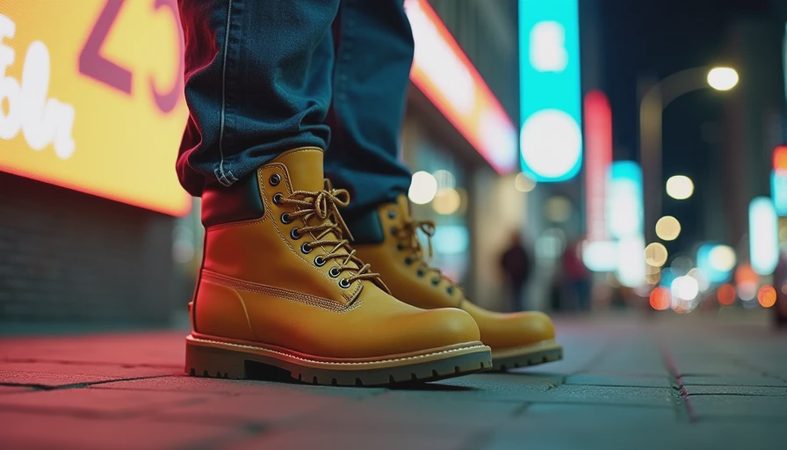
The first thing to understand about barefoot work boots is that “barefoot” describes the shape and feel, not the level of protection. A thin, flexible sole and wide toe box can make a long shift easier on your feet. They do not automatically protect you from a dropped wrench, a nail, hot ash, or a chainsaw. I have spent enough mornings stepping into wet boots at 0530 to know the difference between comfortable and dependable. The job decides which one you need.
What barefoot construction actually changes
Most barefoot footwear uses a zero-drop platform, meaning the heel and forefoot sit at roughly the same height. The sole is usually flexible, and the toe box allows your toes to spread instead of squeezing them into a pointed front. That geometry can improve balance and ground feedback on trails, ladders, and uneven ground. It can also expose weak ankles and tight calves if you switch too quickly.
Barefoot work boots are not simply regular boots with extra room. A conventional logger boot often has a raised heel, stiff shank, thick midsole, and aggressive heel-to-toe rocker. Those parts add leverage, puncture resistance, and stability under certain loads. A minimalist boot removes some of that structure. You gain foot movement, but your feet and lower legs take more responsibility.
That transition matters. Start with an hour around the shop, then a short walk on firm ground. Do not wear a new pair for a ten-hour concrete shift on day one. Sore calves are common during the adjustment period; sharp pain, numbness, or swelling is a reason to stop.
Where they make sense on a workday
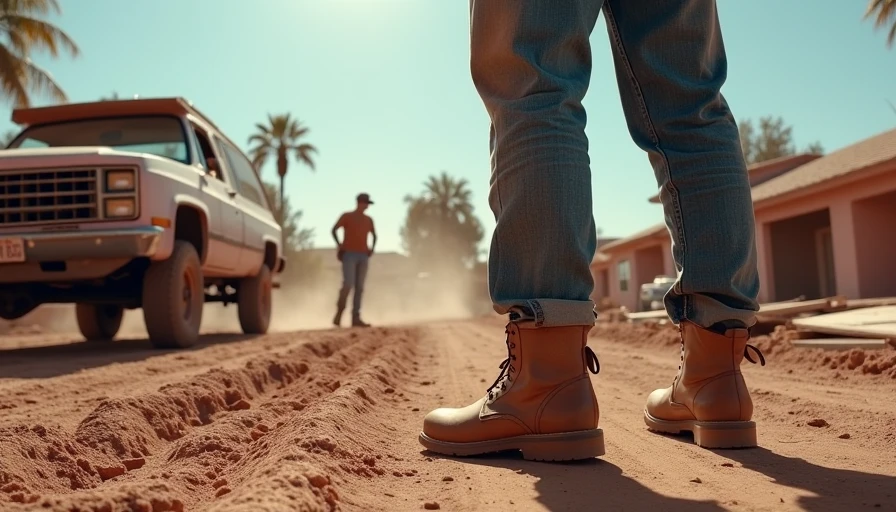
For carpenters, surveyors, warehouse workers, mechanics, and trail crews working on mostly dry ground, barefoot work boots can be useful. A wide toe box helps when your feet swell late in the shift. Flexible uppers make squatting, kneeling, and climbing into a truck less awkward. On a six-mile inspection walk, that natural movement can feel better than carrying a rigid platform on every step.
Look for a real rubber outsole with enough tread to bite into dirt and wet lumber. Thin does not have to mean flimsy. Check the stitching around the toe, the bond between outsole and upper, and whether the heel counter collapses when you squeeze it. A boot that folds like a slipper may be pleasant indoors but unreliable when loaded with tools.
Brands such as Xero Shoes, Freet, and Be Lenka offer minimalist or wide-toe models, while Lems generally targets a roomy, foot-shaped fit with more cushioning in several models. Product lines change, so read the construction details for the exact boot rather than trusting the brand category. A barefoot work boot with a smooth lifestyle sole is still a poor choice for mud, loose rock, or oily floors.
The safety question nobody should skip
Before buying barefoot work boots for a jobsite, find out what your employer requires. If the crew requires ASTM-rated protective footwear, a flexible casual boot is not a substitute. ASTM F2413 covers performance requirements for protective toe footwear, and electrical hazard protection is a separate feature identified by the manufacturer. A wide toe box alone does not provide impact or compression protection.
Steel and composite toes also complicate the barefoot fit. The toe cap has a fixed shape, and the boot may taper behind it even when the marketing says “wide.” Put on the socks you work in, stand up, and make sure your longest toe does not touch the cap. Walk downstairs and squat. If the cap presses your big toe or the outside toes, reject the fit. No break-in period fixes a toe box that is too short.
For utility work, demolition, heavy construction, or any place where falling objects are routine, choose certified safety footwear first. You can still look for a lower heel and more anatomical shape, but do not trade required protection for foot-feel claims. On a wildfire line, I would not use minimalist footwear as a replacement for purpose-built wildland boots. Heat, sharp debris, steep slopes, and long carries demand a different tool.
Three boots worth comparing before you buy
Start with the Xero Shoes Denver or similar leather models if you want a flexible, casual work boot for light-duty use. Their low-profile feel and broad front suit shop work and daily wear, but they are not the answer for every industrial hazard. Treat the outsole and certification details as the deciding information.
Freet models are worth examining when flexibility and foot-shaped construction are your priorities. Their minimalist approach can work for walking crews and outdoor utility tasks, though some versions offer less protection than a traditional work boot. Mud, snow, and wet grass will expose that difference quickly.
Lems Boulder-style boots sit closer to the middle ground. They generally provide more cushioning and a less severe transition than an extremely thin minimalist shoe. That makes them easier for long pavement shifts, but they are not automatically safety-rated. If you need a protective toe, verify the exact model rather than assuming the whole brand qualifies.
Prices commonly run from about $100 for basic minimalist boots to more than $200 for leather, waterproof, or specialized versions. At the lower end, inspect the sole bond and eyelets before committing. At the higher end, demand better leather, replaceable hardware, and a return policy that lets you test the fit indoors.
How I would test a pair
I use a simple four-stage check before trusting barefoot work boots outside the shop. First, wear them for two hours on a normal day and note pressure at the heel, arch, and toe cap. Second, walk a mixed route of pavement, gravel, grass, and a short slope. Third, kneel, squat, climb a step, and carry a moderate load. Finally, wear them for a full shift only after the first three checks pass.
Pay attention to what happens after hour six. Does the heel slide? Does the flexible sole fold under the ball of your foot? Does water enter through the tongue or stitching? A boot can feel excellent for thirty minutes and become a hot, wet problem by lunch. Rotate socks during testing so moisture does not disguise a fit issue.
Care is straightforward. Brush dirt off before it dries, let leather dry away from direct heat, and inspect the outsole every week. Do not put wet leather against a heater; that is how uppers crack and adhesives fail. If the sole starts separating, stop using the boot for demanding work and repair it before the gap swallows grit.
The Fire Line Scale verdict
For light shop work, walking inspections, and outdoor jobs without a protective-toe requirement, the better barefoot work boots land at Serviceable or Battle-Tested depending on their outsole and construction. They offer real advantages in toe room, balance, and flexibility, especially for workers who spend a day kneeling or covering miles.
For heavy construction, chainsaw work, hot environments, or regulated jobsites, most minimalist options land at Not Ready. That is not an insult. It is a boundary. A boot designed for natural foot movement is not automatically built for impact, puncture, heat, or electrical hazards.
My advice is plain: identify the hazard first, then select the most foot-shaped boot that still meets the requirement. If you need certified safety protection, start there. If you need a comfortable boot for lighter duty, test the fit slowly and inspect the sole like your paycheck depends on it. The barrel does not lie, and neither does a twelve-hour shift.
Worn in fire. Proven in dirt.