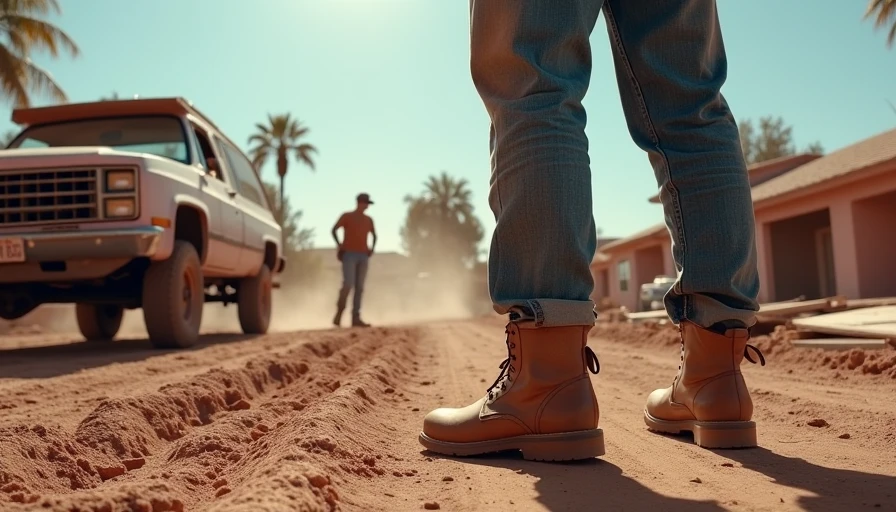
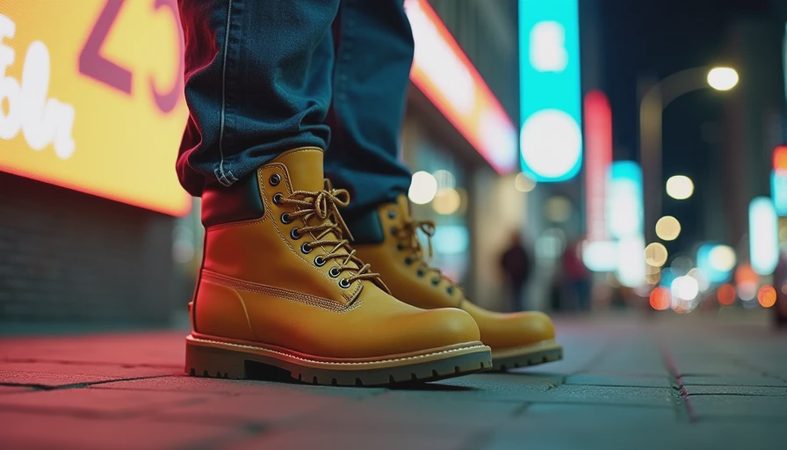
A canvas work jacket earns its place the same way a good pair of boots does: by surviving long shifts, sharp corners, wet weather, and the careless abuse that happens when the job gets busy. I have worn jackets through Montana shoulder seasons, trail maintenance, saw work, and more than one truck-bed repair in freezing rain. The right canvas work jacket becomes part of your daily kit. The wrong one turns stiff, soaks through, or loses a pocket before the first season ends.
This guide is about practical use, not catalog photography. We are looking at fabric weight, cut, insulation, closures, pocket layout, and the limits of cotton when weather turns serious. If you work construction, line maintenance, ranching, landscaping, or outdoor utility jobs, those details matter more than a polished product description.
What Makes a Canvas Work Jacket Useful
Canvas is a tightly woven fabric, usually cotton or a cotton blend, with enough body to resist abrasion from lumber, brush, tool belts, and vehicle seats. A jacket made from 10-ounce canvas feels flexible enough for driving and climbing. A 12-ounce or 13-ounce version offers more resistance to snags but takes longer to break in. Heavy duck canvas can feel nearly rigid when new, especially around the elbows and shoulders.
That stiffness is not automatically a virtue. During a 10-hour shift, a jacket that fights every reach will leave you tired. I look for a shoulder pattern that allows overhead work, sleeves long enough to cover the wrist when arms are extended, and a hem that does not ride above the belt when sitting in a loader or pickup. A useful canvas work jacket should move with you after a few wears, not require you to move around it.
The weave also affects wind protection. Dense canvas blocks a sharp breeze better than ordinary sweatshirt fleece, but it is not a rain shell. Untreated cotton absorbs water, gains weight, and dries slowly. Waxed or treated canvas sheds light precipitation, but treatment can wear off at elbows and cuffs. For sustained rain, layer a real waterproof shell over it rather than expecting workwear cotton to perform like technical rain gear.
Choosing Weight, Lining, and Season
For mild spring and fall work, an unlined 8-ounce to 10-ounce jacket is usually the most useful starting point. It gives abrasion protection without turning a truck cab into a sauna. This is the range I prefer for trail crews and shop work where activity levels change throughout the day.
A flannel-lined canvas work jacket adds warmth without the bulk of a full winter coat. Brands such as Carhartt, Dickies, and Filson offer versions in different cuts and weights, though the details vary by model. Flannel is comfortable against a long-sleeve shirt, while quilted polyester lining slides more easily over layers and often dries faster after a sweaty morning.
For cold work below freezing, insulation matters more than a heavy outer shell alone. A 12-ounce jacket with a thin lining can be less warm than a lighter shell with quilted insulation. Check the sleeve lining before buying. Rough flannel can catch on wool or fleece, and narrow sleeves can make layering painful. If you spend hours standing still in a bucket truck or at a gate, choose more insulation. If you are carrying tools uphill, choose room for a base layer and less bulk.
Pockets, Closures, and Details That Matter
Pocket design tells you whether the jacket was made for work or simply styled to look rugged. Lower hand pockets should be deep enough to hold gloves without dumping them when you climb into a vehicle. A chest pocket needs a secure closure for a phone, pencil, or small inspection light. Interior pockets are useful, but only if they remain accessible with a tool belt or radio harness in place.
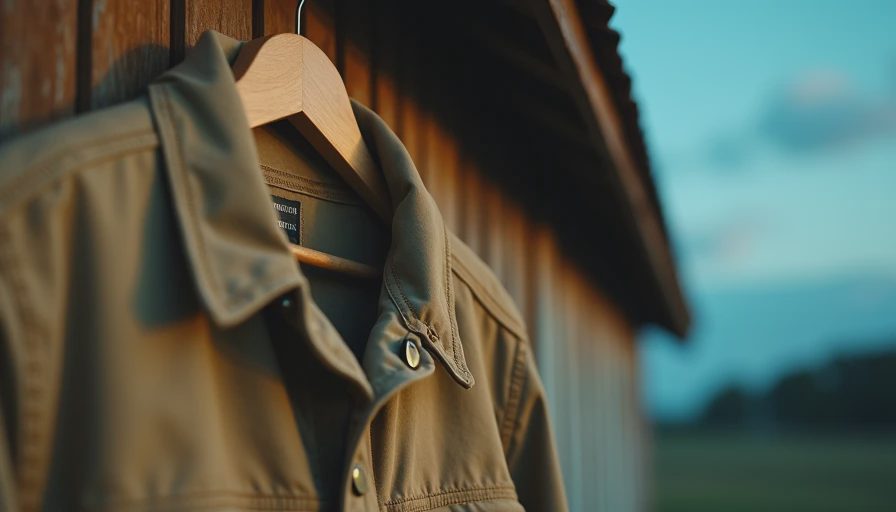
Metal zippers are durable, but they can become difficult to operate with cold fingers. Large zipper pulls solve part of that problem. Snap closures are quick and reliable, while buttons are easier to replace in the field but slower when wind is pushing through. I prefer a full front zipper with a storm flap for general utility work. A corduroy collar feels good against the neck, but it can hold dust and saw chips, so inspect the stitching and clean it regularly.
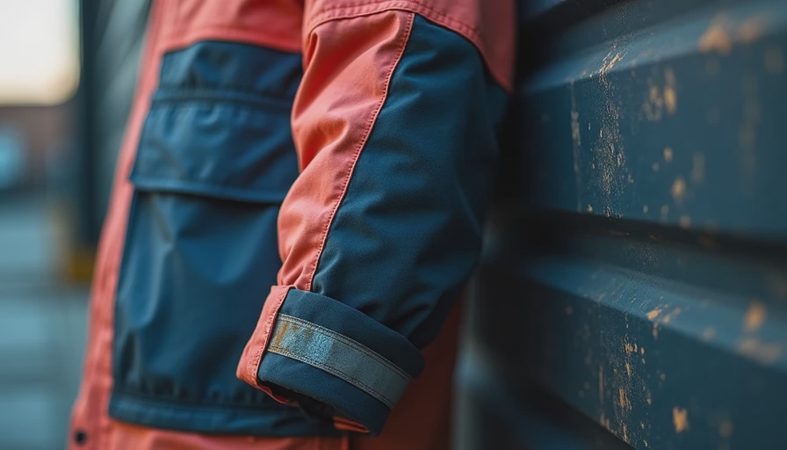
Cuffs deserve attention. Adjustable snaps or hook-and-loop closures help seal out wind and keep sleeves from catching on brush. Elastic cuffs are comfortable but can stretch out. Reinforced elbows are useful for carpenters, mechanics, and anyone who spends time crawling, although extra fabric can restrict movement if the pattern is poor.

Fit for Tools, Layers, and Real Movement
Sizing a canvas work jacket from your shirt size alone is a mistake. Put on the layers you actually wear, then raise both arms, reach across your chest, sit down, and bend forward. The back should not pull tight across the shoulder blades. The front should overlap comfortably when zipped, with enough space for a hoodie if that is part of your cold-weather system.
A work jacket should not fit like a tailored coat. You need room for a radio, gloves, and a base layer, but excess fabric creates snags around saws, ladders, and machinery. The hem should cover the waistband without hanging so low that it catches on a truck seat. Tall workers should check sleeve length carefully; short cuffs expose the wrists every time you reach overhead.
Before washing, read the care label. Cotton canvas often shrinks, especially when washed hot and dried aggressively. I wash heavily soiled jackets separately, close the zippers and snaps, and avoid fabric softener because it can reduce the fabric's natural firmness. Hang-drying takes longer but preserves fit. Oil, fuel, and chemical contamination need product-specific cleaning, not a casual trip through the family laundry.
Brands and Prices Without the Hype
A basic canvas work jacket from Dickies or a lower-priced Carhartt model can often land around $60 to $120. That is enough for many shop, farm, and construction jobs. You may see rougher stitching or fewer interior pockets, but those shortcomings are acceptable if the fit is right and the jacket is replaceable.
Midrange models around $120 to $200 commonly add better lining, heavier hardware, improved patterning, or stronger pocket construction. Filson and other heritage workwear brands often charge more for dense fabric and traditional construction. That premium makes sense only when you need the specific durability, cut, or repairability. A $250 jacket is not automatically tougher than a $90 one.
For a canvas work jacket, the best value is the jacket you will actually wear for three seasons. A heavy model left in the closet because it restricts your arms is money wasted. I would rather see a properly fitted $85 jacket with reinforced stress points than a costly coat with beautiful branding and shallow pockets.
When Cotton Is the Wrong Tool
Canvas is not flame-resistant clothing. Standard cotton can ignite, and treated fabric does not make an ordinary jacket suitable for flash-fire exposure. Around welding, open flames, energized equipment, or wildland fire, use garments rated and labeled for that hazard. I do not treat a canvas work jacket as personal protective equipment unless its documentation specifically supports the intended task.
The same warning applies to rain. A coated jacket can handle drizzle and wet brush, but seams, cuffs, and zipper areas remain weak points. Carry a waterproof shell when forecasts call for sustained precipitation. In deep cold, combine the canvas layer with a moisture-managing base layer rather than wearing cotton directly against damp skin for hours.
My field standard is simple: the jacket should protect against abrasion, carry essential small items, and let me work without constant adjustment. On the Fire Line Scale, a well-cut, medium-weight canvas work jacket is Serviceable to Battle-Tested for general utility work. It is Barrel-Ready only when the seams, hardware, and fabric survive repeated hard use without pretending to be something they are not.
Before buying, check the fabric weight, lining, sleeve length, pocket depth, closure type, and return policy. Try it on with your actual work layers. A few minutes of movement in a store can prevent a season of tugging at a bad shoulder seam. Worn in fire. Proven in dirt.