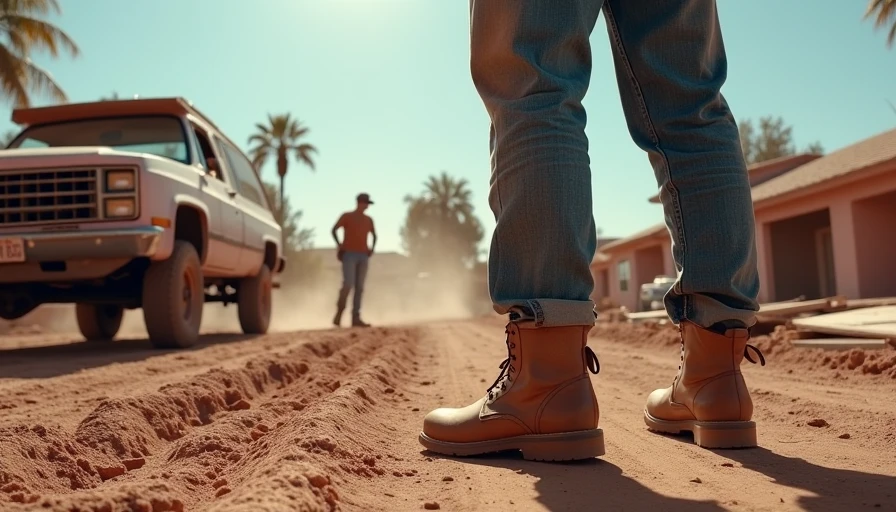
September 2018, Sawtooth Complex, hour 11. My feet were swollen, my socks were wet, and the supposedly roomy boots on my feet had turned into clamps. That was the day I stopped trusting the word wide on a boot box. Extra wide work boots are not simply larger boots. They need the right shape through the toe box, enough room across the ball of the foot, and a secure heel that does not let your foot swim on a steep slope.
If your toes go numb by lunch, your little toe rubs raw, or you finish a shift with pressure marks along the sides of your feet, the problem is probably fit rather than toughness. The best extra wide work boots let your toes spread naturally while keeping your heel planted. That matters on concrete, ladders, rocky ground, and every uneven surface between the truck and the jobsite.
What “Extra Wide” Actually Means
Boot widths are not perfectly standardized. A company might call a men’s extra-wide size 2E, EE, 4E, or simply extra wide, while another brand uses a completely different last. The number alone does not tell the whole story. Two 11EE boots can have different toe shapes, instep heights, and heel volumes.
Measure both feet at the end of the day, when they are largest. Wear the socks you use for work, stand on paper, and trace each foot without angling the pencil. Measure the widest point across the ball of each foot. Then compare those measurements with the manufacturer’s chart, not a random chart copied onto a marketplace listing. If one foot is larger, fit the larger foot and use an insole or heel-lock lacing to manage the difference.
Extra wide work boots should give your toes a small amount of forward room. Your longest toe should sit roughly a thumb’s width from the front when standing. The sides should touch your socks lightly without squeezing. If you can feel the boot pressing into the fifth metatarsal, or the upper creases directly over a sore spot, do not expect leather to solve everything. Leather can soften; it cannot add a full size of usable width.
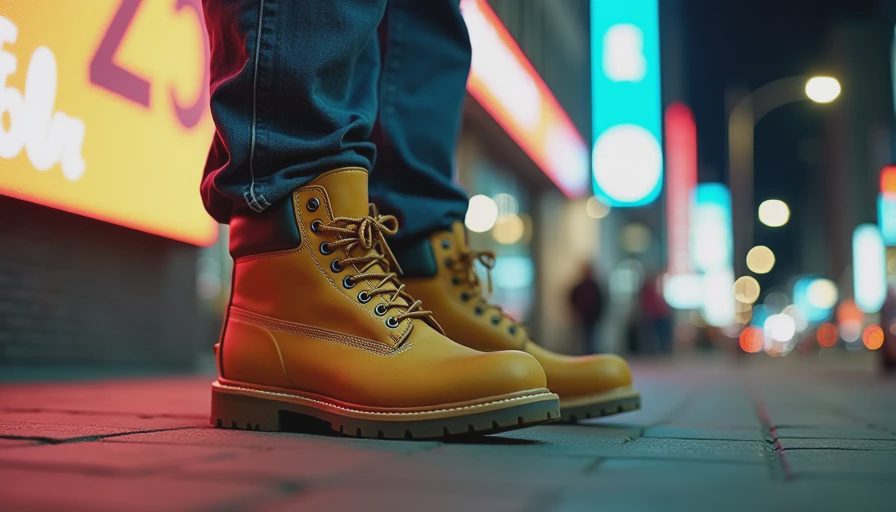
Features That Matter on the Job
Start with the toe protection required for your work. A steel toe remains common on construction sites and industrial crews, but composite toes can weigh less and do not conduct cold as readily. Neither option makes a poor-fitting boot comfortable. The cap must be wide enough inside, and the boot should not force your toes together when you crouch.
Look for a stable shank, a heel counter that resists collapse, and a sole with enough rubber for the surfaces you actually cross. Vibram outsoles appear on many dependable work boots, but the compound and tread pattern matter more than the logo. A deep lug can bite into dirt while feeling awkward on smooth concrete. A flatter wedge sole can be comfortable on floors but collect mud on a trail.
For wet work, waterproof membranes help, but they also reduce breathability. A waterproof boot that traps sweat can leave you with soaked socks after eight hours, even when no water gets through the upper. For wildfire support, ranch work, or hot summer construction, a full-grain leather boot without a membrane can dry faster and feel less clammy. Match the barrier to the job instead of treating waterproof as an automatic upgrade.
Models and Shapes Worth Comparing
Keen Utility often deserves a look when you need a naturally broad toe shape. Some Cincinnati and Lansing versions come in wide sizes, and their room up front can suit feet that feel pinched in traditional pointed lasts. Check the exact model because width availability changes by style.
Thorogood’s American Heritage line is popular for its wedge soles and soft break-in, with wide sizing on several moc-toe models. These are comfortable choices for warehouse floors, framing, and general trade work, but a wedge sole is not my first pick for loose rock or muddy hills. It can also wear faster if you drag your feet across abrasive concrete every day.
Red Wing offers several work lines in wider sizes, including boots built around heavy leather and replaceable construction. The break-in can be firm, especially around the heel and ankle. Ariat Work and Wolverine also offer broad-fit options in selected models. Read the size chart and return policy before ordering because “wide” in one family may feel closer to standard in another.
The right pair of extra wide work boots is the one that matches your foot and your ground. Brand loyalty will not keep a boot from cutting off circulation.

How to Test the Fit Before the First Shift
Try boots indoors on the same day you measured your feet. Lace them firmly from the bottom upward, but do not crank the top eyelets so hard that your ankle cannot flex. Walk down stairs, squat, kneel, and stand on one foot. Your heel should lift slightly during a normal step, then settle without sliding. Excessive heel movement creates blisters; zero movement can mean the boot is too short or too tight across the instep.
Remove the factory insole and stand on it. If your foot spills over the sides of the insole, the boot is not truly giving you enough floor space. This simple check catches many false-wide purchases. Also press the toe box while standing. If the upper touches your toes when you flex, the shape is wrong even if the measured length looks correct.
Wear new extra wide work boots for short periods before a full shift. Start with an hour around the house, then two or three hours on an easy day. Carry blister tape, spare socks, and the insole you plan to use. Never test an unfamiliar pair on the first day of a remote assignment or a twelve-hour pour.
Caring for Leather and Soles
Dry wet boots slowly. Pull the insoles, open the laces, and place the boots somewhere warm with airflow. A heater or campfire can shrink leather, crack adhesives, and deform the toe. Newspaper helps pull moisture from the lining, though it needs replacing when saturated.
Brush off dirt after each shift. For full-grain leather, use a conditioner sparingly when the surface looks dry, not every time the boot gets dusty. Too much oil can soften support and attract grit. Inspect the welt, stitching, hooks, and sole edge before the next hard day. A loose hook is cheap to repair at a cobbler; a separated sole discovered halfway up a ridge is not.
If the outsole is worn smooth at the heel or ball, replace it before the tread disappears. Resoling a well-built pair of extra wide work boots can cost roughly $100 to $200, depending on construction and local labor. That is cheaper than replacing a comfortable upper that still fits your feet.
My Field Verdict
Buy for shape first, width label second, and features third. A safety toe, waterproof membrane, and aggressive tread cannot rescue a boot that crushes your forefoot. Start with accurate measurements, compare the actual model’s chart, and use the insole test before committing.
On the Fire Line Scale, well-shaped extra wide work boots earn Battle-Tested when they keep toes warm, heels secure, and soles planted after long miles. Anything that relies on “breaking in” to fix numbness gets sent back. The barrel does not lie, and neither do your feet at hour ten.
Spend the money where it affects your work: a reliable sole, durable stitching, and a last that fits the foot you have. Then break the boots in before the assignment, maintain the leather, and replace worn traction early. Worn in fire. Proven in dirt.