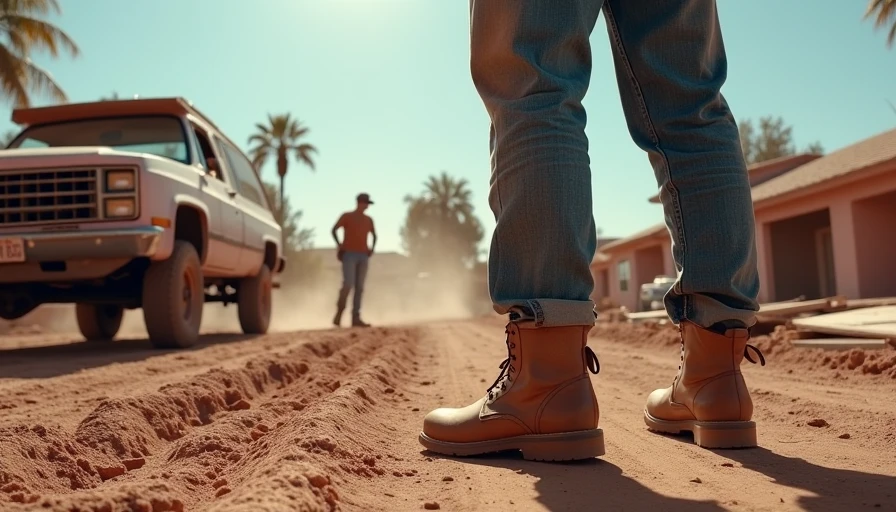
At 0530 in Missoula, the thermometer can say 8 degrees and the wind can make it feel worse. That is when a winter work coat earns its keep. I have worn plenty of jackets that felt warm walking from the truck to the shop, then turned clammy by hour four. Outdoor work exposes every shortcut: thin cuffs, weak zippers, slick lining, and insulation that packs flat after one wet week.
A useful coat does not need a premium logo. It needs room to move, a shell that blocks weather, insulation that stays useful after compression, and hardware you can operate with cold or gloved hands. This guide covers the details I look for before trusting a winter work coat on a long shift, trail patrol, equipment repair, or fence line.
Start with the work, not the brand
The right winter work coat depends on how much you move. A lineman climbing or a trail worker cutting brush needs a different balance than someone running a skid steer in an open cab. High-output work creates sweat, and sweat inside a heavily insulated coat becomes a problem once you stop moving. For active jobs, I prefer moderate insulation with a tough shell and enough room for a wool or synthetic midlayer.
For stationary work, warmth takes priority. A heavy canvas coat with quilted lining can make sense for a mechanic, night watch worker, or ranch hand checking stock before sunrise. Look for a drop tail that covers the lower back, adjustable cuffs, and a collar that closes without leaving a cold gap. A hood is useful in snow, but it should cinch down instead of flopping across your eyes when you turn your head.
Fabric matters too. Cotton duck canvas handles abrasion well and often gets more comfortable with use, but it is not waterproof by itself. Nylon and polyester shells can shed snow and light rain, though their performance depends on the weave and coating. Near sparks, torches, or open flame, ordinary synthetic fabric deserves caution because it can melt. No winter work coat turns a wearer into a firefighter, and flame-resistant clothing must be selected for the actual hazard.
Insulation, lining, and the cold-weather details
A coat's insulation rating tells only part of the story. Down offers excellent warmth for its weight, but wet down loses much of that advantage and is harder to dry in the field. Synthetic insulation is usually the safer work choice because it keeps providing some warmth after moisture and repeated compression. It is also easier to wash without treating the garment like delicate camping equipment.
Pay attention to where insulation is placed. A padded body with thin sleeves can leave your arms cold while you work overhead. A coat with insulated sleeves but no warm hand pockets creates another weak point. I want fleece-lined or insulated pockets large enough for a phone, tape measure, and bare fingers for a quick thaw. Zippered chest pockets are valuable when you are climbing or bending because tools stay put.
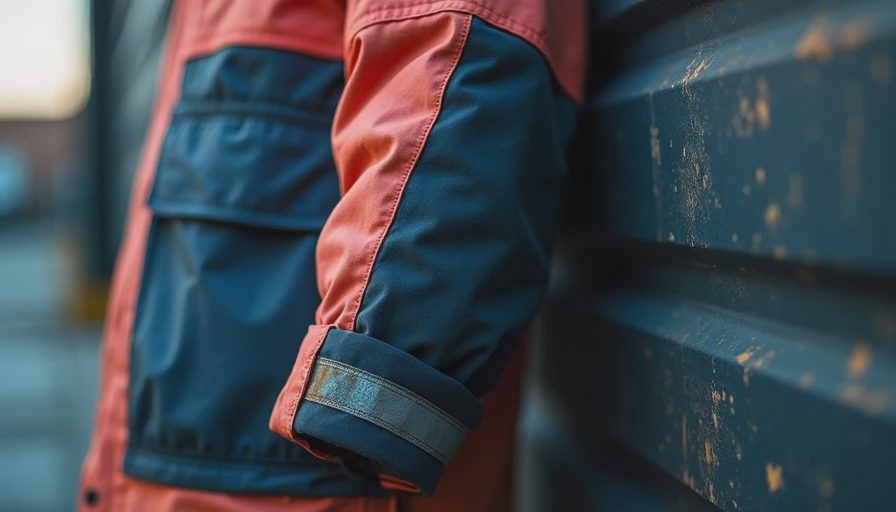
The lining should slide over a sweatshirt without grabbing at the cuffs. Smooth polyester is practical, while flannel feels warmer but can drag against layers. Check the zipper before buying. A large pull is easier with gloves, and a storm flap helps when wind-driven snow gets through the teeth. Snaps are useful backups, but they do not replace a reliable full-length zipper.
What I test after three hard shifts
I judge a winter work coat over repeated wear, not a warm store fitting. First, I load the pockets with the items a worker actually carries and raise my arms, kneel, climb, and reach across a truck bed. If the hem rides up or the shoulders pull tight, that problem gets worse after adding a base layer. A coat should move with the job rather than force every task into a careful range of motion.
Next comes weather. I wear the coat through wet snow, cold rain, and sustained wind, then check the inside of the shoulders and lower back. Those spots reveal whether moisture is coming through or sweat is being trapped. I also inspect the cuff closures after handling rough lumber and brush. Loose hook-and-loop strips collect debris, while exposed elastic can wear out quickly when it rubs against tools.
The barrel tells a separate story. I do not treat a standard insulated jacket as fire gear, but I do inspect loose threads, melted trim, and heat-damaged synthetic panels after normal field abuse and controlled disposal testing. If a manufacturer suggests flame resistance, I look for a real rating and garment labeling, not a vague phrase about heat-ready fabric. Marketing copy cannot replace a tested specification.

Coats worth putting on the shortlist
Carhartt's insulated duck coats remain common for a reason: they are widely available, easy to repair, and usually priced around the $100 to $200 range depending on the model and sale. They can feel stiff when new, and the heaviest versions are not ideal for constant climbing, but they suit cold, abrasive work where durability matters more than low weight.
Duluth Trading's winter work coat options often emphasize pocket space, longer cuts, and practical movement. That helps workers carrying small tools or spending time on equipment. The tradeoff is bulk; a coat built for warmth and storage can feel heavy during high-output labor. Buy it for a job that benefits from coverage rather than one that demands constant speed.
For wet mountain conditions, a layered system from brands such as Patagonia or Outdoor Research can work better than one enormous coat. Their insulated shells and midlayers often cost more, sometimes $250 to $400 together, but the system gives you more control when temperatures swing. It is not automatically tougher than a canvas chore coat, so protect the shell from sharp edges and sparks.
Fit, price, and buying without regret
Try the coat over the layers you actually wear. A large may fit over a hoodie but bind when you add a wool sweater. Sit in a truck, reach for a chainsaw handle, and lift both arms. The cuffs should cover your wrists without swallowing your gloves, and the hood should turn with your head instead of blocking side vision.
Expect a dependable winter work coat to cost roughly $100 to $300. Spending more can buy better patterning, repairable hardware, or lighter insulation, but it does not guarantee better job performance. A $140 coat with useful pockets and a durable shell can beat a $350 fashion parka that snags on every nail. Watch end-of-season sales, but inspect clearance gear carefully for missing parts, damaged coatings, or a cut that does not suit your work.
Care that adds another season
Follow the washing instructions, empty every pocket, and close zippers before laundering. Dirt and body oil reduce loft and can wear fabric from the inside. Avoid fabric softener on technical shells because it can interfere with water resistance. Hang the coat fully open after a wet shift, rather than leaving it wadded in the truck.
Repair small failures early. A loose snap, torn pocket corner, or frayed cuff can become a ruined coat after one week of brush work. Keep a needle, heavy thread, and a small repair patch in the shop. The best winter work coat is not the one with the most impressive catalog description. It is the one that still blocks wind, carries your tools, and lets you work when the morning is miserable.
On the Fire Line Scale, a coat earns Battle-Tested status when it stays warm without trapping sweat, survives hard movement, and can be repaired instead of replaced. That is the standard I use. Worn in fire. Proven in dirt.