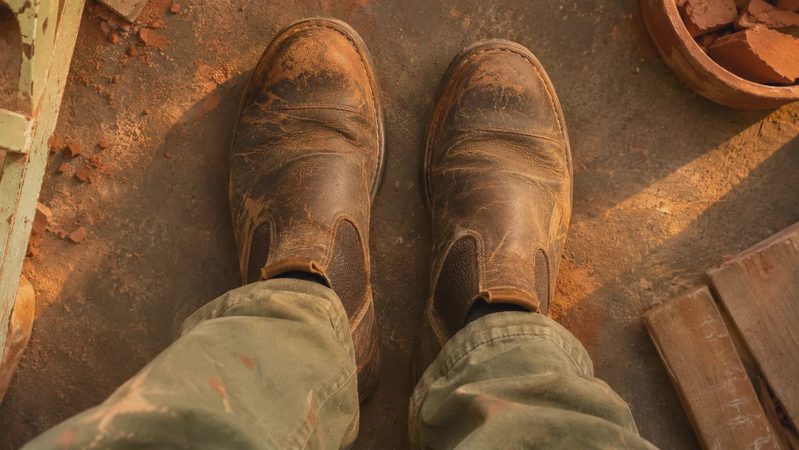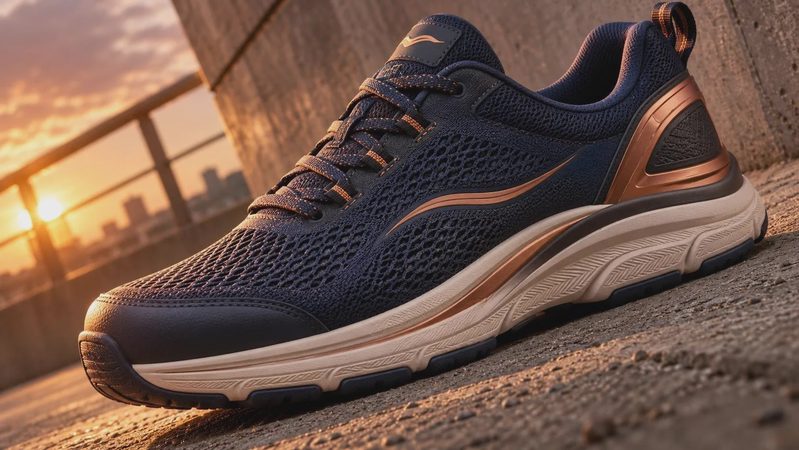
September 2018, Sawtooth Complex, hour 11. My boots were wet, my socks were beginning to rub hot spots into both heels, and every step across the burned slope drove grit under the tongue. That is when I learned a boot can have a convincing spec sheet and still be a poor work tool. Work boots with composite safety toe are useful in the right job, but the toe cap is only one part of the boot. Fit, outsole, construction, heat resistance, and water management decide whether you finish a shift comfortable or limp back to the truck.
A composite toe uses nonmetal materials such as carbon fiber, fiberglass, or reinforced plastic to provide impact and compression protection. Unlike a steel toe, it does not conduct cold or heat as quickly and usually will not trigger a basic metal detector. The tradeoff is simple: composite does not automatically mean lighter, tougher, or safer in every environment. The rest of the boot still has to earn its keep.
What a composite toe actually protects
Look for an ASTM F2413 marking when you need recognized protective-toe performance. That standard covers impact and compression requirements, but it does not mean every boot has puncture resistance, electrical hazard protection, waterproofing, or slip resistance. Those features should appear separately in the product labeling.
For construction, utility work, warehouse shifts, and equipment maintenance, composite protection can make sense. A nonmetal toe is also useful around security gates and facilities where metal detection is part of the workday. In winter, the toe generally feels less brutally cold than steel after several hours outside. That is a comfort advantage, not a license to ignore insulation or proper socks.
The shape matters as much as the test rating. Some caps run narrow and press against the little toe once your feet swell during a ten-hour shift. Try boots late in the day with the socks you actually wear. You want firm heel hold, room to spread your toes, and enough space that the cap does not sit directly on the toe joints. If the boot feels tight in the store, it will feel worse after eight hours on concrete.

Where work boots with composite safety toe earn their keep
I would point a warehouse picker, electrician, carpenter, or general contractor toward composite protection when metal weight and cold transfer are recurring problems. Brands such as Keen Utility, Thorogood, Caterpillar, Wolverine, and Timberland PRO offer models in this category, but the logo tells you less than the construction. Compare the actual toe marking, outsole compound, welt or direct-attach construction, and return policy.
A composite cap can shave noticeable weight from a pair, though the difference depends on the boot. A heavy wedge sole, thick waterproof membrane, or tall logger platform can erase that advantage. For a worker climbing ladders all day, a moderate-height boot with a stable heel and flexible forefoot may be more useful than a massive eight-inch model.
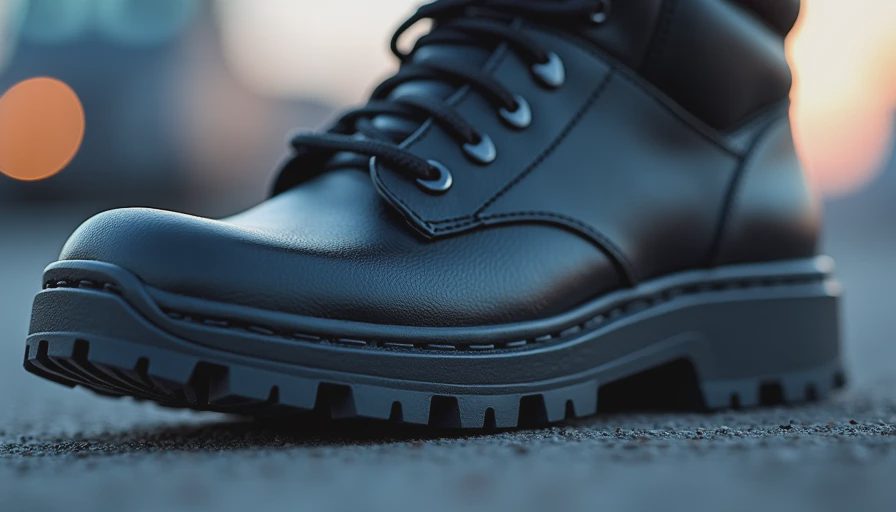
For line work or rough ground, study the outsole. Deep lugs help in mud and loose soil, while a flatter wedge sole is often quieter and more comfortable on smooth concrete. Neither is universally better. A soft rubber compound can grip well but wear quickly on abrasive asphalt. A hard compound can last longer while skating across wet steel. Ask what surface fills most of your workday, then buy for that surface.
Heat, electricity, and the limits of the label
This is where marketing copy gets people in trouble. Work boots with composite safety toe are not automatically fire boots. A composite cap may resist heat differently from steel, but the leather, adhesives, stitching, laces, and outsole can still fail around extreme heat. Wildland firefighters should use footwear designed and approved for the applicable fire environment, not a general jobsite boot with a safety toe added to the description.
Electrical hazard labeling also deserves a close read. It indicates a tested level of protection under specific conditions; it does not make a boot a substitute for electrical safety procedures. Wet ground, damaged soles, conductive contaminants, and energized equipment change the risk. If you work around electrical systems, match the boot to your employer's requirements and inspect it every shift.
Composite material can also be affected by hard impacts even when no crack is visible. After a heavy object lands on the toe, check for distortion, separation, crushed lining, and pain that continues after removing the boot. Replace protective footwear when the toe area or sole has been compromised. A boot that looks acceptable from across the parking lot may not provide the protection you bought it for.
Fit, break-in, and daily maintenance
Start with a proper fitting routine. Wear your normal work socks, stand with your weight evenly distributed, and leave roughly a thumb's width in front of the longest toe. Walk down an incline if the store allows it. Your toes should not slam into the cap, and your heel should not lift enough to create a blister with every step. Lace the lower eyelets snugly, then secure the ankle without cutting off circulation.
Do not plan a twelve-hour first shift in new boots. Wear them around the house, then on short errands or a two-hour job. Expect leather to flex, but do not expect a painfully tight safety cap to stretch into comfort. Rotate between two pairs when possible. Giving leather and lining a full day to dry can extend useful life, especially in rain, snow, or sweat-heavy work.
After a muddy shift, brush off grit before it dries hard. Remove the insoles, loosen the laces, and let the boots dry at room temperature. Direct heat from a stove, heater, or truck floor can shrink leather and damage adhesives. A waterproofing product suited to the boot's finish helps, but it cannot turn a worn-out boot into a waterproof one. Inspect the outsole for smooth patches, the welt or bonding line for separation, and the upper for cracks.
A practical buying checklist
Before paying $120 to $250 for a pair, answer five questions. First, does the toe carry the ASTM marking you need? Second, is the fit wide enough after a full workday? Third, does the outsole match concrete, rock, mud, or mixed ground? Fourth, will the boot handle your climate without trapping sweat? Fifth, can you return it if the cap creates pressure after several hours?
I would spend less on decorative hardware and more on a reliable outsole, replaceable footbed, and strong heel counter. A $150 boot that lasts two hard seasons is a better purchase than a $220 boot that causes blisters and sits unused. For wet jobs, compare waterproof membranes with unlined leather options honestly: membranes keep water out better, but they can dry slower and feel warmer.
The best work boots with composite safety toe are the ones that disappear during the shift. You stop thinking about the cap, trust the grip, and finish with feet that are tired but not damaged. That is the standard I use after years of dirt, smoke, rain, and long miles. The barrel does not lie, but neither does a boot that leaves your heels raw by lunch.
Choose the protection your job requires, fit the boot at the end of the day, and reject any pair that relies on a safety label to cover weak construction. Work boots with composite safety toe can be solid tools for the right trade. They are not magic armor, and they are not a substitute for matching the boot to the ground, weather, and hazards in front of you.
Worn in fire. Proven in dirt.