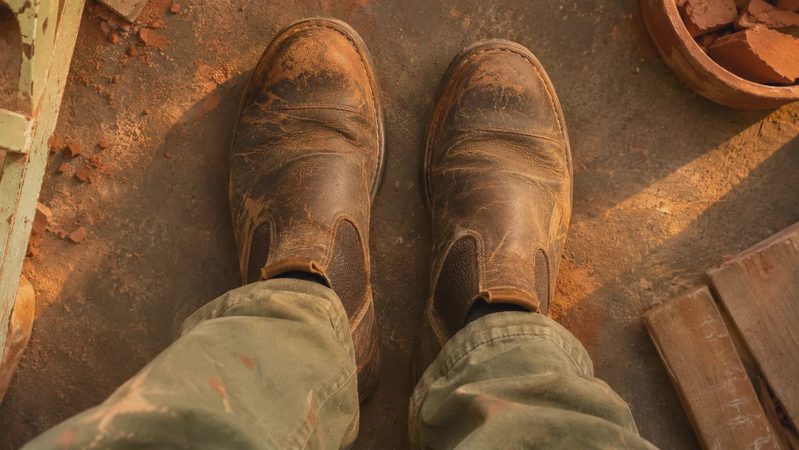
September 2018, Sawtooth Complex, hour 11. My boots were full of grit, my socks were wet, and every step across the blackened slope found another sharp snag. That is where I learned what American made work boots have to prove. A flag on the box is not enough. The boot needs a sound welt, useful leather, dependable traction, and a fit that does not punish your feet before the shift ends.
I have worn boots through fire assignments, trail work, wet brush, horse patrols, and long days around the shop in Missoula. This guide is about what holds up when the ground is steep, the weather turns, and returning to the truck still means three miles of walking. I am not interested in polished catalog photos. I want to know whether the boot can earn another season.
What “American made” should mean
The label deserves a close reading. “Made in USA” generally means the product is assembled in the United States with all or virtually all significant parts and processing domestic. Other boots use phrases such as “assembled in the USA” or “made with USA and imported components.” Those descriptions are not interchangeable.
That does not automatically make an imported boot poor, and it does not make every domestic boot excellent. Still, American made work boots often appeal to buyers who want domestic construction, repair access, and a clearer connection to the people building the product. Before buying, look at the manufacturer’s origin statement, not just a photograph of an American flag.
The upper is the first place I inspect. Full-grain leather should show a clean, consistent hide without thin spots around the flex point. Stitching should be tight and straight. On a welted boot, the welt should meet the upper evenly around the toe and heel. A little cosmetic variation is normal. Loose thread, uneven spacing, or a sole already pulling away from the welt is not.
The boot models I would put on a crew
Several American makers have earned attention from working people for good reasons. Danner builds a wide range of boots in the United States, including models designed for logging, wildland, and heavy outdoor use. Their stitchdown construction and replaceable soles suit people who would rather rebuild a boot than throw it away, though the initial price can land around $350 to more than $500.
Thorogood’s American Heritage line is a common choice for construction, warehouse, and shop work. The moc toe shape gives some foot room, and wedge soles are comfortable on concrete and finished floors. They are not my first choice for loose mountain dirt or slick wet rock, but they can be excellent shift boots when the job is mostly level and the surface is predictable.
Nicks, White’s, and Frank’s make heavier boots for buyers who want substantial leather and extensive sizing. These are closer to equipment than casual footwear. A pair can cost $500 to $700 or more, and break-in can be demanding. The tradeoff is a highly rebuildable boot with serious support. If you spend most days on steep ground, carrying a saw, pack, or tools, that support matters more than a soft feel during the first week.
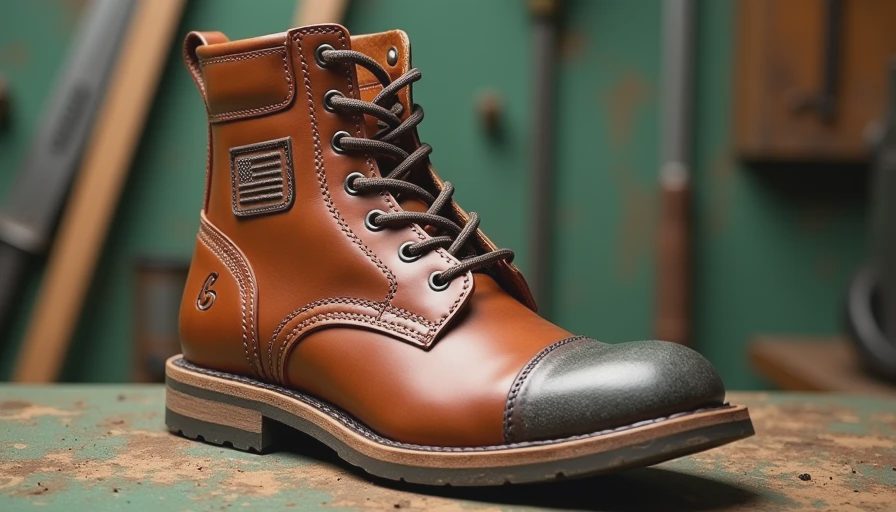
Red Wing has both domestic and imported models, so check the individual boot rather than assuming the brand tells the whole story. The same caution applies to Carolina, Chippewa, and other long-running names. American made work boots are not a single category with uniform quality; the model, factory, materials, and construction all matter.
Match the sole to the ground
A boot can have excellent leather and still be wrong for your job. Wedge soles are quiet and comfortable on pavement, concrete, and packed soil. They spread pressure across the foot and often feel good during an eight- or ten-hour shift. Their weakness appears in mud, loose shale, and steep terrain, where the shallow tread can slide and collect debris.
Vibram lug soles offer more bite for trails, timber, and uneven ground. A lug pattern is not magic, however. Deep lugs can feel clumsy on ladders and may wear faster on concrete. For mixed work, I like a moderate lug with a defined heel. It gives braking power on descents without making every flat mile feel like a fight.
Fire crews and hot-work operators need to pay attention to more than tread. Look for appropriate heat-resistant construction, a tall enough upper for the assignment, and a sole that is stitched or otherwise securely attached. No leather boot should be treated as fireproof. Direct flame, radiant heat, and melting synthetic components can defeat expensive footwear quickly. The barrel does not lie, and neither does a long day beside an engine.
Fit is where expensive boots succeed or fail
Measure both feet late in the day, when they have naturally expanded. Wear the socks you will actually use. A boot that fits perfectly over a thin store sock can become miserable with a thick merino pair and an insole. Your heel should stay mostly planted, while your toes need enough room to move without striking the front on a descent.
Do not solve a narrow boot by buying a much longer size. That creates excess movement and can cause blisters. Look for different widths, removable footbeds, or a model with a roomier last. Brands such as Nicks and White’s offer more sizing options than many mass-market lines, but the ordering process requires attention. A custom or semi-custom boot is not a shortcut around measuring.
Break-in should be gradual. Wear the boots around the house, then on short walks, before taking them into a fourteen-hour shift. Condition the leather lightly when it dries out, but do not saturate it with oil. Too much treatment can soften the upper, alter its support, and contribute to premature stretching. Dry wet boots at room temperature, away from a stove or truck heater.
What the price buys you
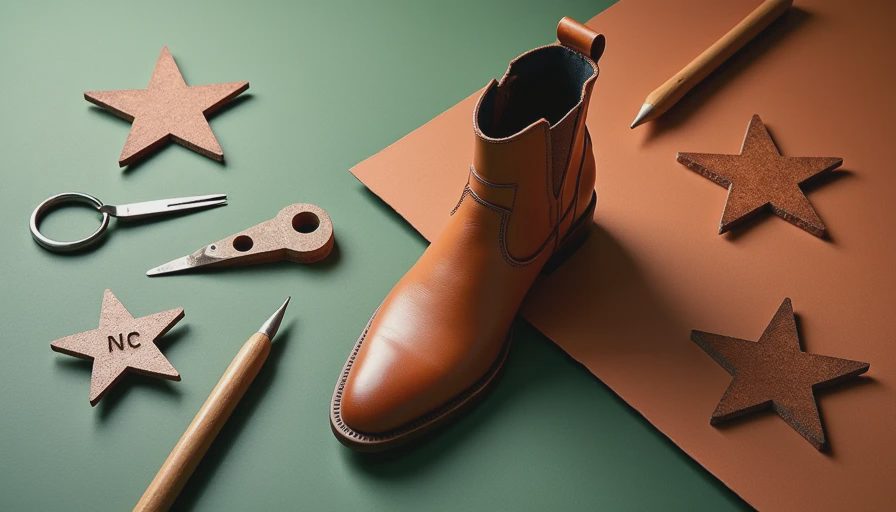
A $180 boot and a $600 boot can both be sensible purchases, depending on the work. The cheaper pair may be the better answer for a seasonal warehouse job, a light-duty farm task, or someone whose employer replaces footwear regularly. A premium pair earns its cost through rebuildability, stronger materials, better sizing, and support that remains useful after the outsole wears down.
Ask about resoling before you buy. A replacement sole commonly costs roughly $100 to $200, depending on the boot and the repair shop. That is real money, but it can be less than replacing a well-fitting boot every year. Also ask how the company handles failed stitching, loose hardware, and delamination. A clear repair path is worth more than a vague promise about durability.
For a practical comparison, picture two workers. One spends five days a week on concrete and wears through a soft wedge sole in a year. The other climbs rocky slopes and needs a stiff heel and aggressive tread. Giving both workers the same boot because it says “USA” misses the point. American made work boots should be selected for the ground, load, weather, and hours you actually face.
My field checklist before buying
Start by writing down the worst conditions, not the average ones. If your worst day involves rain, clay mud, and a steep descent, shop for traction and drainage rather than showroom softness. If it involves concrete, ladders, and standing at a bench, prioritize a stable wedge sole and cushioning. If you carry heavy tools, pay attention to shank support and heel hold.
Then inspect the return policy. Break-in is normal; numb toes, heel lift, and pressure across the little toe are warning signs. Keep the packaging until you have walked enough to judge the fit. Read the actual warranty language, especially if you expect a resolable boot to serve for several years.
My own preference is a substantial leather boot with a replaceable sole, moderate heel, and enough room for a thick wool sock. That formula is not universal, but it has carried me through more bad ground than soft, disposable footwear ever did. Spend where your work demands it and save where it does not.
American made work boots deserve your attention when domestic construction, repairability, and long-term support matter to you. Just do not confuse origin with a performance guarantee. Inspect the build, match the sole to the terrain, and give the boot time to become yours.
On the Fire Line Scale, the right pair is Battle-Tested before it ever sees a flame: secure on the climb, comfortable at hour ten, and repairable when the upper still has life left. That is the standard I use. Worn in fire. Proven in dirt.