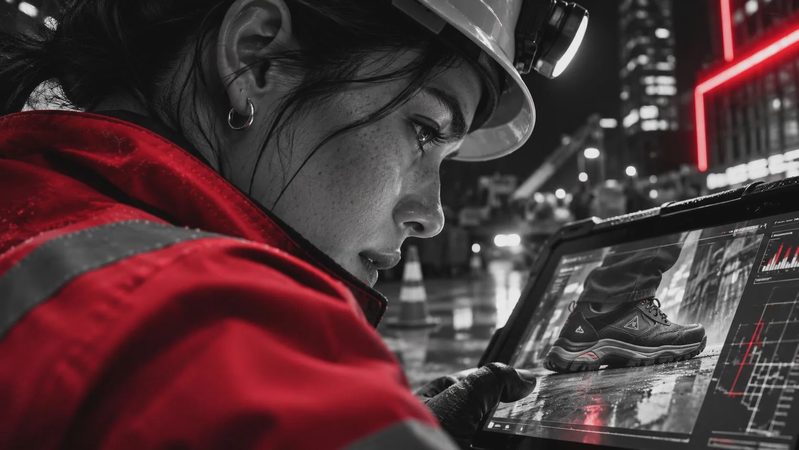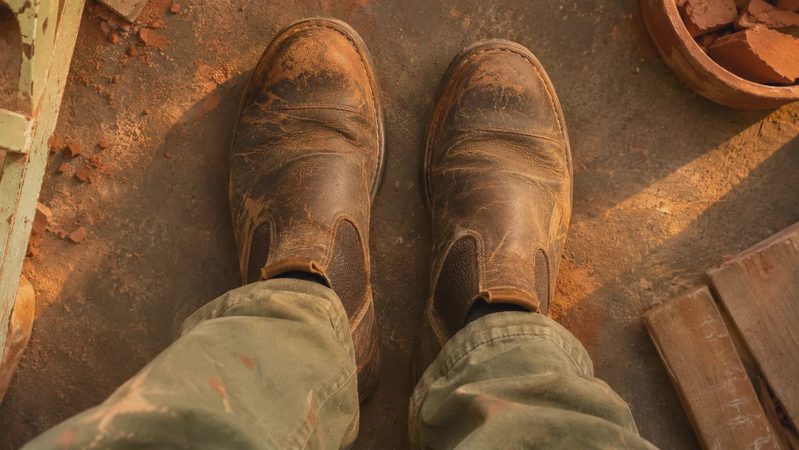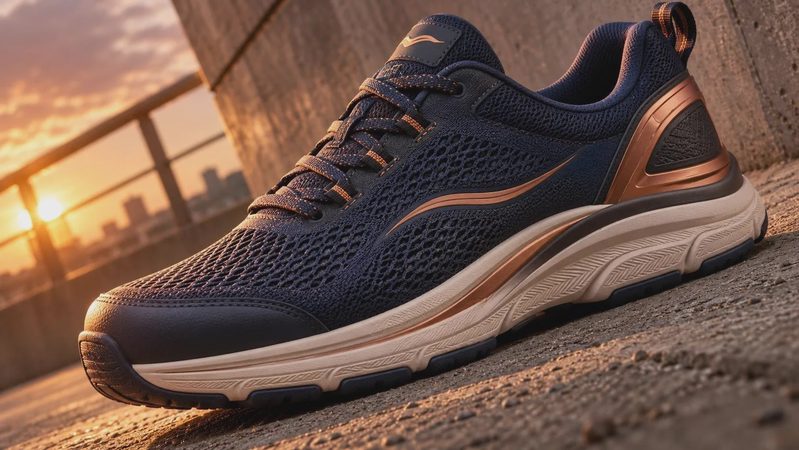
At 0530, a restaurant floor can look clean and still be slick enough to put you on your back. Grease haze, dishwater, fryer steam, and a dropped soda make a rough shift rougher. The right non slip shoes for restaurants will not make a twelve-hour shift easy, but they can keep your feet planted and your knees out of the floor. I look at them the same way I look at work boots: tread, materials, fit, and what happens after months of abuse matter more than glossy marketing.
What restaurant floors do to footwear
Restaurant work is hard on shoes in ways an office or retail floor is not. Water gets into seams. Cooking oil softens some rubber compounds. Degreaser dries out leather and synthetic uppers. A cook may stand beside a 400-degree range, while a server covers several miles between the dining room, kitchen, host stand, and storage area during a busy shift.
That environment demands more than a deep-looking tread. A good outsole should use a rubber compound designed to maintain contact on wet, smooth surfaces. The channels need to shed liquid without collecting food scraps. A flat, wide contact patch often feels steadier than an aggressive hiking pattern, which can trap grease and make cleaning harder.
The upper matters too. Mesh breathes well but can absorb spills and hold odors. Leather or coated synthetic material wipes clean faster, though it can feel warmer. A toe guard protects against dropped pans and rolling bus tubs, but a bulky cap can rub during long shifts. You are balancing traction, protection, ventilation, and comfort every minute you are on the clock.
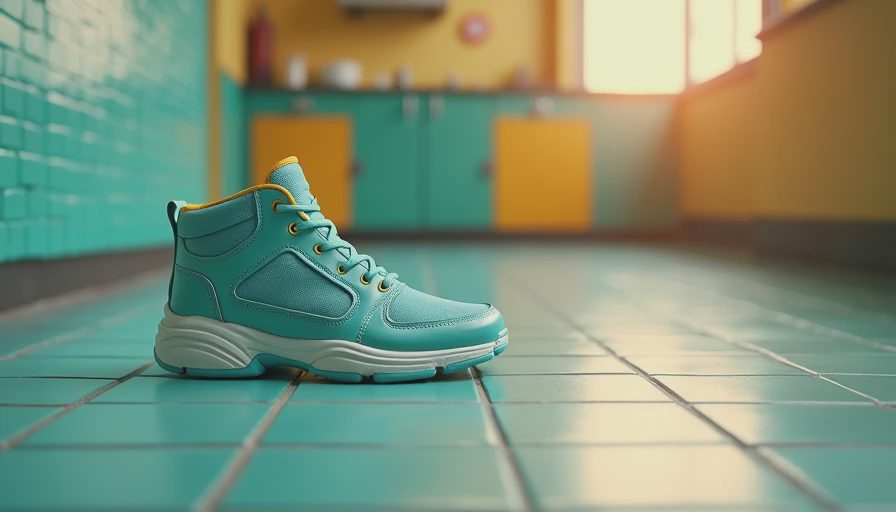
How to judge non slip shoes for restaurants
Start with the outsole, not the color or the brand badge. Look for a recognized slip-resistant design and a sole that stays flexible when you bend it. If the rubber is hard and plastic-like, it may feel durable but can lose useful contact on wet tile. A tread with small siping cuts, rounded edges, and enough surface area usually performs better than a boot-style lug pattern in a kitchen.
Next, check how the shoe locks your heel. Your foot should not slide forward when you walk downhill or stop quickly. A padded collar and properly placed laces help, but excessive padding can create heat and pressure. Pull out the insole and inspect the shape. A removable footbed makes replacement easier and lets you choose an insert if your arches need more support.
Finally, twist the shoe gently. Some flex is useful at the forefoot, but the middle should not fold like a house slipper. A little torsional structure reduces fatigue when you carry trays, push a loaded rack, or pivot around a wet spot. Non slip shoes for restaurants should feel secure before they feel soft.
Brands and models worth a closer look
Skechers Work often offers affordable slip-resistant models with cushioned midsoles, roomy sizing, and easy availability. They can work well for servers and counter staff who want a sneaker feel. The tradeoff is that some lightweight uppers show wear quickly around the toe and flex points. Expect roughly $45 to $80, depending on the model and sale price.
Shoes for Crews has built its reputation around restaurant footwear, with styles ranging from sneakers to low-profile work shoes. The outsole designs are the main reason to consider them. Some models feel stiff for the first several shifts, but that structure can help a worker who spends most of the day standing. Prices commonly land around $60 to $130.
New Balance and Reebok Work offer options for workers who need a wider fit or prefer a familiar athletic shape. Look for models specifically marked slip-resistant rather than assuming every black work sneaker has the same outsole. A regular running shoe is not a substitute. Its tread may be fine on pavement and poor on a wet kitchen floor.
If you need a leather upper, a model from Timberland PRO or KEEN Utility can provide more abrasion resistance and toe protection. Those shoes often cost $90 to $150 and can feel heavier. That extra weight is not automatically a benefit; it only earns its place if the fit and outsole match your work.
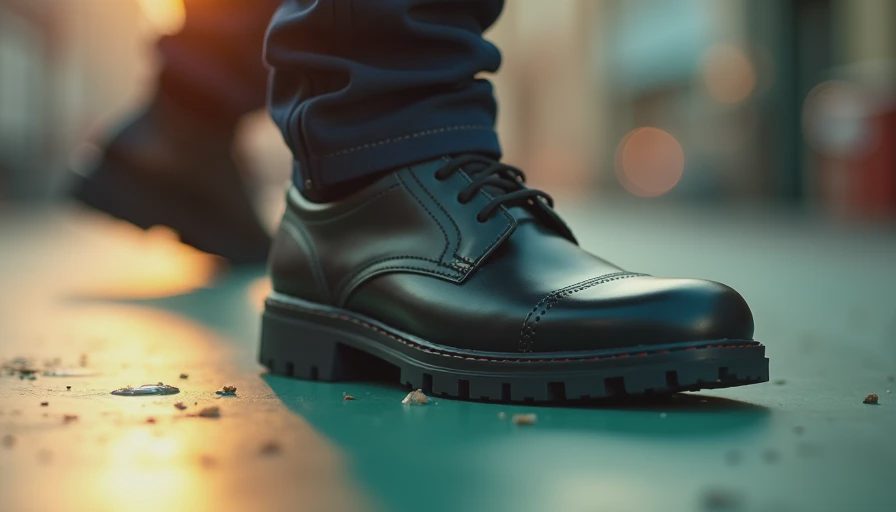
Fit for a twelve-hour shift
Try shoes on after work, when your feet are at their largest. Wear the socks you actually use. Stand for several minutes, walk stairs, and crouch as if you were reaching under a prep table. Your toes should move without striking the front, while your heel stays seated when you take a quick step backward.
Leave about a thumb's width in front of your longest toe. More room is not always better because your foot can slide inside the shoe. If one foot is larger, fit that foot first. A wide version is usually better than sizing up in a standard width. Sizing up can create heel lift, which turns a traction problem into a blister problem.
Do not judge cushioning in the first five minutes alone. Very soft foam can feel excellent in a store and bottom out after several hours. Firm, responsive cushioning usually gives better support for concrete floors. If you use orthotics, remove the factory insole before testing the fit. Otherwise, you may buy a shoe that becomes too tight once your insert goes in.
Cleaning, break-in, and replacement
Do not wear a new pair straight into the busiest Saturday service. Use them for a few shorter shifts first. Check for heel rubbing, tongue pressure, and hot spots beneath the ball of your foot. A shoe that causes pain at hour two will not improve simply because you paid more for it.
At the end of each shift, remove the insole and let both pieces dry separately. Brush off crumbs before they work into the tread. Wash the outsole with warm water and a mild detergent, then rinse away residue. Avoid soaking leather unless the manufacturer specifically allows it. Grease left in the tread can defeat the pattern, no matter how impressive it looked on day one.
Inspect the sole every week. Replace the pair when the tread is smooth across the main contact areas, the midsole has compressed, or the upper pulls away from the sole. Do not wait for a dramatic split. A worn outsole can reduce your margin on a wet floor long before the shoe looks ruined. Non slip shoes for restaurants are safety equipment, not permanent footwear.
A practical buying checklist
Before ordering, confirm that the product description actually says slip-resistant. Check the return policy and order from a seller that accepts unworn returns. Read reviews for details about wet tile, grease, heel movement, and sizing rather than relying on star ratings alone.
Set a realistic budget. A $55 pair that fits and cleans easily can serve better than a $140 shoe with a narrow toe box. If you work near hot equipment, prioritize a closed upper and secure fit. If you walk constantly, reduce weight without sacrificing the outsole. If you stand in one station, spend more attention on cushioning and arch support.
Keep a second pair if your schedule allows. Rotating shoes gives foam time to recover and lets a wet pair dry completely. Mark the purchase date inside the tongue. When the outsole starts losing its edges or the insole stays compressed, you will know how long the pair actually lasted instead of guessing.
The barrel does not lie, and neither does a greasy kitchen floor. Choose the shoe for traction, fit, and serviceability first. Non slip shoes for restaurants should earn trust shift by shift, not through a clever advertisement. Worn in fire. Proven in dirt.