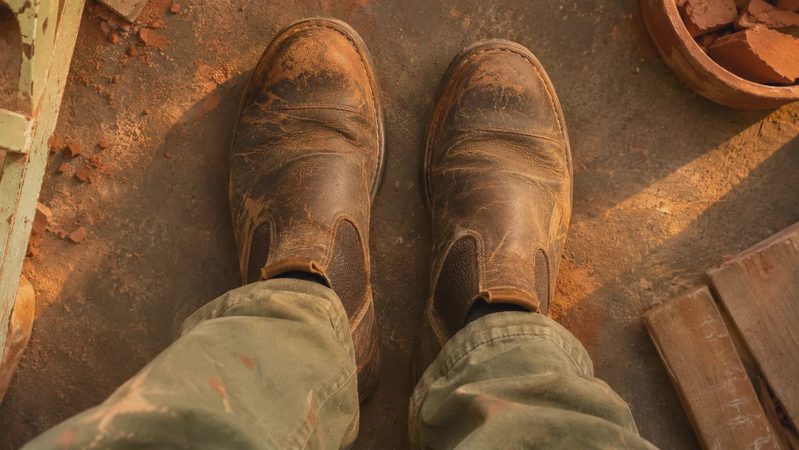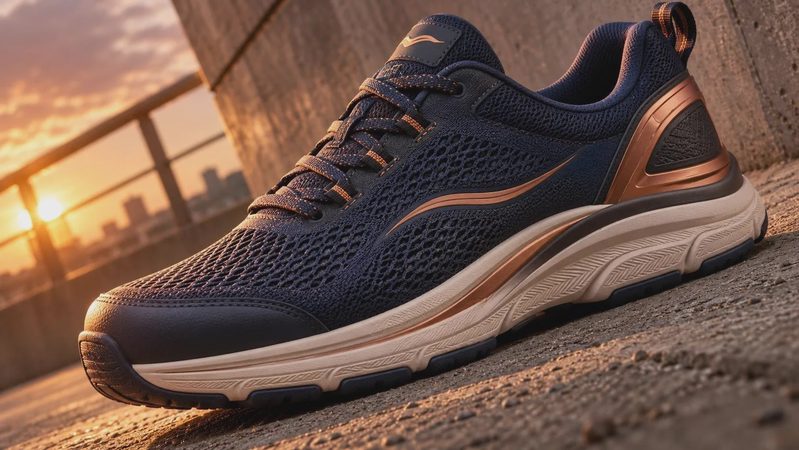
I learned the hard way that safety boots steel is not a complete buying decision. September 2018, hour eleven on the Sawtooth Complex, I stepped between two rounds of burned lodgepole and caught a loose slab under my right foot. The boot stopped the twist, but the cheap outsole folded like wet cardboard. My toe was safe. My ankle and temper were not. For construction, utility work, ranch chores, and trail work, the right boot needs more than a steel cap. It needs a stable platform, a sole that grips, and construction that can take a wet twelve-hour shift.
What steel toes actually protect against
The steel toe is designed to protect your toes from impact and compression. A dropped wrench, shifting lumber, a pipe rolled off a truck, or a pallet jack catching the front of your boot are the situations it is built for. It is not armor for your whole foot, and it does not make a boot puncture-proof, waterproof, or safe around every electrical hazard.
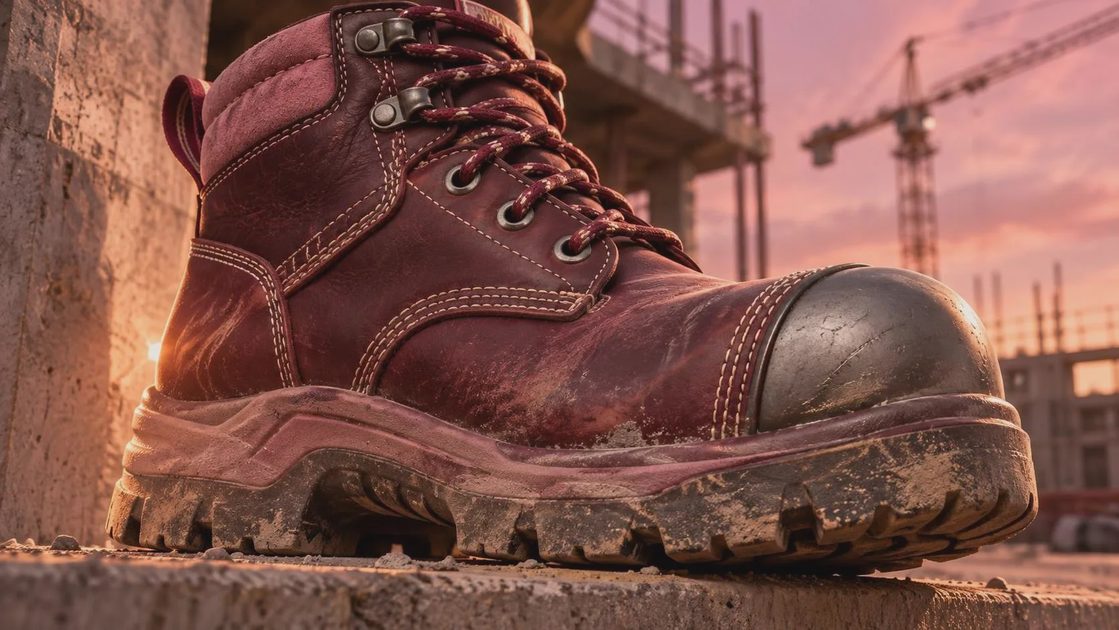
When comparing safety boots steel models, look for a clearly identified ASTM-rated protective toe. The label should tell you whether the boot meets current impact and compression requirements. Some work sites also require electrical hazard resistance, slip resistance, or a puncture-resistant plate. Those are separate features. A steel toe does not automatically provide them.
Steel has one practical advantage: it is usually durable and consistent, with a long history in work footwear. It can also feel colder in winter and heavier than composite materials. That extra weight is not a deal breaker for a loader operator or shop mechanic, but it becomes noticeable when you are walking ten miles along a rocky right-of-way.
The fit around the toe matters more than the number printed on the box. Your toes should not touch the cap when walking downhill. You should be able to spread them slightly, while your heel stays planted when climbing stairs. Try boots late in the day, when feet are naturally larger, and wear the socks you use at work.
Choosing safety boots steel for your actual shift
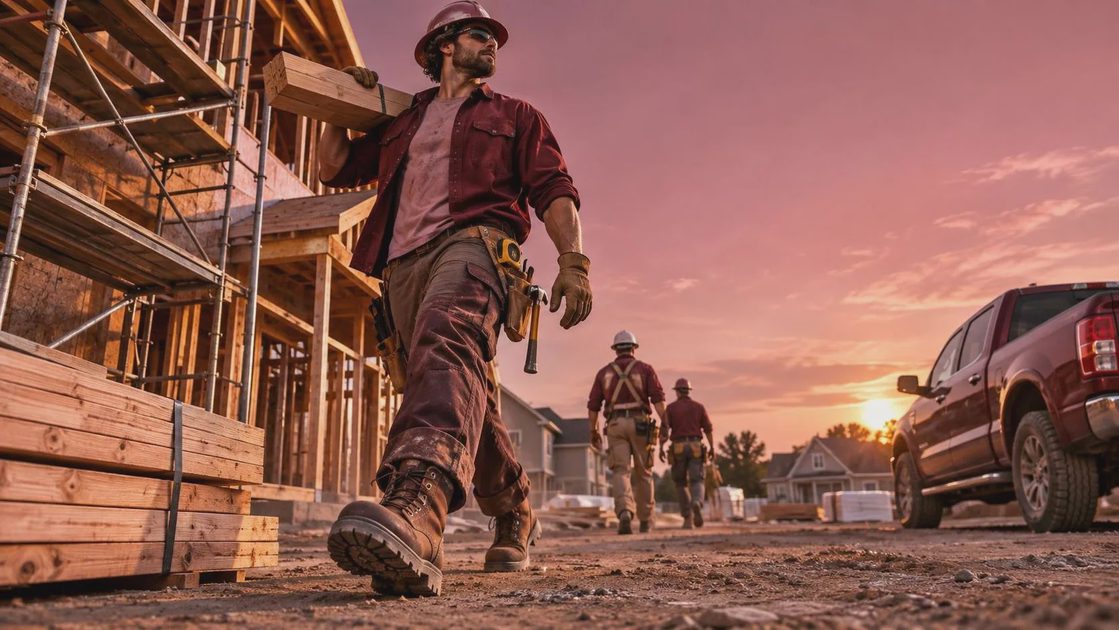
Start with the ground under your boots. Concrete floors reward cushioning and a stable heel. Mud, gravel, and slash require deeper lugs and a sole that does not pack quickly. Roofing and steel erection call for traction suited to smooth surfaces, while a ranch boot may need a heel that holds in a stirrup and sheds manure without trapping half the barn.
For general construction, I look for an eight-inch lace-up boot with a firm shank, a defined heel, and a rubber outsole rated for oil or slip exposure when that hazard is present. A logger-style lug can be excellent in loose dirt but awkward on polished concrete. A flatter wedge sole feels comfortable on slab floors, yet it is not my first choice for steep ground or loose rock.
Safety boots steel designs commonly use full-grain leather, split leather, or synthetic uppers. Full-grain leather takes more break-in but usually handles abrasion well and can be conditioned. Synthetic boots often dry faster and weigh less, though hot exhaust, welding sparks, and rough rebar can expose weak spots quickly. Inspect the stitching, toe cap overlay, welt, and lace hardware before paying. Decorative stitching is not the same as reinforced construction.
A waterproof membrane helps in rain and shallow puddles, but it also slows drying after water gets over the collar. If your work involves creek crossings or wet grass every morning, carry a second pair of insoles and dry boots at room temperature. Do not put leather boots directly beside a woodstove; rapid heat can shrink leather and damage adhesives.
Comfort is a safety feature, not a luxury
A boot that creates a hot spot becomes a safety problem by midshift. Blisters change how you walk, and a changed stride increases the chance of a misstep. Before committing to safety boots steel, wear them around the house and on a short, clean walk. Give your feet time to identify pressure at the cap, tongue, ankle collar, and arch.
The insole should support your arch without forcing it upward. If the factory footbed feels flat, a quality replacement insole can improve comfort, but it cannot fix a boot with the wrong shape. Do not size up dramatically to gain toe room. Extra length lets your foot slide forward on descents and can leave your heel lifting on every step.
Lacing is another field adjustment. Use a looser pattern across the forefoot if the cap feels tight, then lock the heel with a firm wrap around the ankle. On long climbs, snug the lower laces and secure the upper eyelets without cutting off circulation. Good safety boots steel should hold your foot without requiring a death grip on the laces.
Weight deserves an honest look. A pair near four pounds can feel fine during a short shop shift and punishing after ten hours on uneven ground. If you walk more than you stand, compare a steel-toe boot with a composite-toe option, while confirming that your employer accepts the alternative. Protection is useful only when you can wear it correctly for the entire shift.
Brands and price points worth examining
You do not need to spend $300 to get a serviceable work boot, but the cheapest pair on a discount shelf can become expensive after a failed sole or persistent foot pain. Around $100 to $160, brands such as Wolverine, Caterpillar, and Skechers Work offer widely available steel-toe options, though models differ substantially in outsole quality and fit. Read the individual specifications instead of trusting the brand name.
At roughly $160 to $250, Red Wing, Thorogood, Keen Utility, and Danner offer models with stronger leather, better repair potential, or more specialized fit options. A Goodyear welt can make resoling possible, but construction alone does not guarantee comfort. Some cemented boots are lighter and perfectly adequate for indoor work. The right choice depends on whether you value repairability, low weight, waterproofing, or all-day cushioning.
For a crew member walking rough country, I would rather see a $180 boot with a solid heel and proven traction than a $280 boot loaded with features that do not match the job. For a mechanic on concrete, the same priorities may reverse. Spend the money where your shift puts stress: outsole, heel counter, toe room, or moisture control.
A field check before you trust the pair
Run this inspection before the first serious shift. Bend the boot at the ball of the foot and check for clean flex without the toe collapsing. Twist the boot gently; some resistance is useful, while a completely floppy platform offers little support. Press around the heel counter to make sure it does not fold under your thumb. Examine the sole edges for gaps and the eyelets for sharp metal.
Walk up stairs, squat, kneel, and step over a curb. Your heel should stay put, and the toe cap should not press down when your knee moves forward. Wear the socks you actually use, not thin store socks. If your toes go numb after fifteen minutes, return the boots rather than hoping a break-in period will solve a sizing problem.
After each shift, remove the insole, knock out grit, and let the pair dry. Brush off concrete dust and road salt before conditioning leather. Check the outsole for missing lugs and the welt for separation. Replace boots when the sole is worn smooth, the toe cap is exposed, or the structure no longer keeps your foot stable. A boot can look presentable and still be finished.
Fire Line Scale verdict
For ordinary trades, a well-fitted pair of safety boots steel can be Acceptable to Battle-Tested, but the steel toe is only one part of the system. Match the outsole to the ground, the height to your ankle needs, and the weight to your mileage. Confirm every required rating before buying, especially if your employer specifies electrical hazard or puncture protection.
My buying order is simple: fit first, required safety rating second, traction third, and brand last. Break the boots in before the big job, carry blister treatment, and never ignore a sole that is separating. The barrel does not lie, but neither do twelve hours on bad footwear. Worn in fire. Proven in dirt.