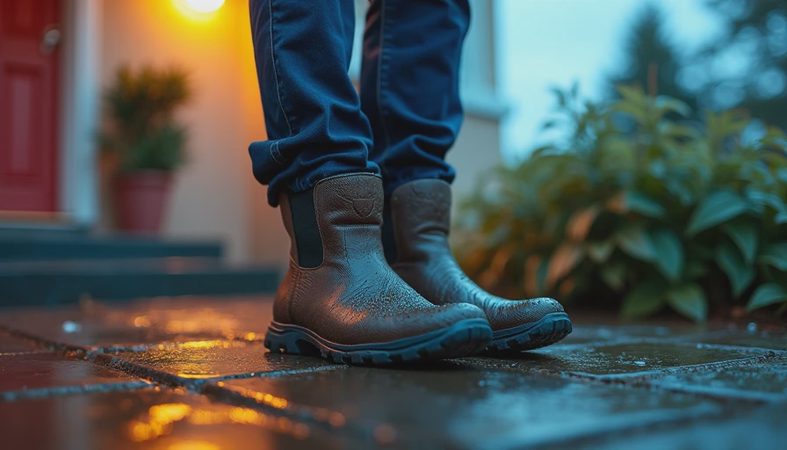
September 2018, Sawtooth Complex, hour 11: my boots were full of ash, my socks were wet, and every step across the dozer line felt like I was carrying a five-pound weight on each foot. That is when I learned what work shoes for men really need to do. They do not need a glossy advertisement or a clever name. They need to stay planted, protect your feet, and remain tolerable after eight, ten, or twelve hours on hard ground.
A good pair is a tool. The right choice depends on your job, the surface under you, and how much water, heat, oil, or falling material your feet face. I have worn footwear through fire camps, trail work, ranch chores, and wet Montana spring mud. Here is what I look for before trusting work shoes for men with a full shift.
Start With the Job, Not the Brand
Construction workers walking concrete all day need different support than surveyors crossing rocky slopes. A warehouse worker may value a lighter toe and flexible sole, while an electrician on ladders may prefer a low-profile shoe that bends without folding under the arch. For outdoor utility work, traction and water resistance usually matter more than a soft sneaker feel.
First, identify the main hazard. Safety-toe footwear helps protect against impact and compression. A steel toe is durable and often affordable, while composite toes weigh less and do not conduct cold as readily. Neither option makes a shoe comfortable by itself. The last, midsole, insole, and outsole still decide whether your feet feel usable at quitting time.
Then consider the floor. Smooth concrete rewards cushioning and stable rubber. Loose gravel demands a deeper tread. Mud needs open lugs that can shed dirt instead of becoming slick platforms. If you move between a shop and a jobsite, choose a tread that grips outdoors without leaving you feeling like you are walking on cleats indoors.
Fit Is the First Safety Feature
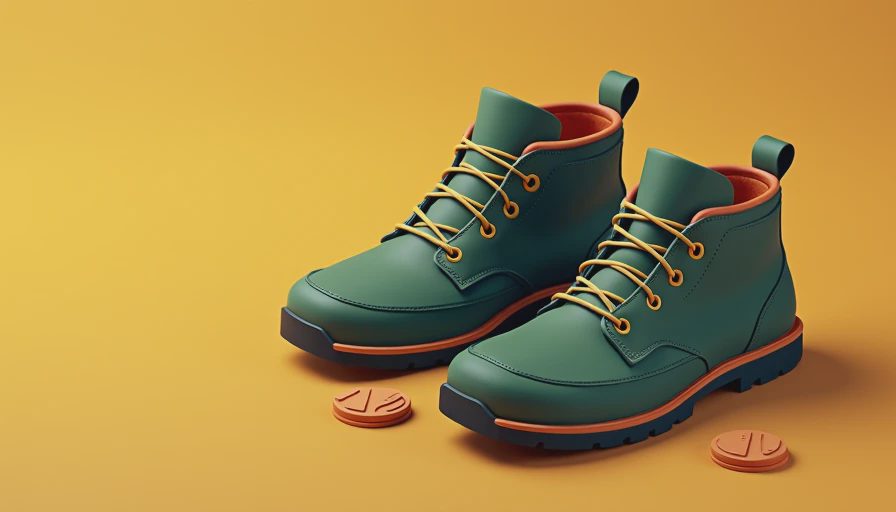
The best work shoes for men should fit securely before you add an insole or break them in. Your heel should stay seated when you climb stairs, but your toes need room to spread and move. Try them on near the end of the day, when feet are naturally larger. Wear the socks you use at work, not thin dress socks from the house.
Leave roughly a thumb's width between your longest toe and the front of the shoe. That space matters when walking downhill or carrying a loaded pack. If the safety toe presses on your smallest toes in the store, it will not somehow become wider after three shifts. Leather may soften; a rigid toe cap will not reshape around a bad fit.
Walk, squat, climb a step, and kneel before paying. Check for pressure at the ankle collar and for folding across the top of your foot. A shoe that feels perfect for two minutes can pinch after six hours. If one foot is larger, fit the larger foot and use a properly sized insole or thicker sock on the other side.
Materials That Earn Their Keep
Leather remains a strong choice for work shoes for men because it resists abrasion and can develop a useful shape around your foot. Full-grain leather typically lasts longer than thin fashion leather, but it also needs conditioning and time to break in. Do not soak a pair near a heater to speed that process. Heat can dry leather, weaken adhesives, and distort the fit.
Synthetic uppers dry faster and often reduce weight. Models from Keen Utility, Merrell Work, and Reebok Work commonly target workers who want sneaker-like flexibility with protective features. Their lighter construction can be a good match for indoor jobs or long walking routes. The tradeoff is that mesh and thin synthetic panels usually give less abrasion resistance than substantial leather when dragged against rock, lumber, or equipment.
Waterproof membranes are useful in wet grass and shallow puddles, but they are not magic. Once water comes over the collar, the inside can stay wet longer because the membrane slows evaporation. For jobs involving repeated creek crossings, breathable non-waterproof shoes plus spare socks can be more comfortable than sealed footwear. Carrying dry socks in a bag is cheap insurance.
Soles, Toe Protection, and Electrical Ratings
Look closely at the outsole instead of trusting a picture. Vibram appears on many durable work models, including boots and low shoes, but the compound and tread pattern still matter. A sticky rubber compound can grip wet rock well, while a harder compound may last longer on abrasive concrete. There is always a tradeoff between traction and wear.
Slip-resistant ratings are useful for kitchens, shops, and smooth commercial floors, but no label defeats grease, loose dust, or poor foot placement. Electrical hazard protection is designed for specific conditions and does not replace safe lockout procedures. If your employer requires EH, ASTM-rated safety toe, or other protective standards, confirm the exact marking on the shoe and your workplace policy.
For many work shoes for men, the outsole is the first part to fail. Inspect the heel and forefoot every week. If the tread is smooth, the sole is separating, or the midsole feels permanently compressed, retirement time has arrived. A cheap replacement is better than trusting a worn sole on a ladder or wet slope.
Field-Tested Options by Work Style
For indoor maintenance, warehouse, or light shop work, a low-profile composite-toe shoe can keep fatigue down. Keen Utility Lansing and similar models are worth examining when you want a roomy toe shape and everyday walking comfort. They are not the answer for every outdoor trade, but they suit workers who spend more time on concrete than in mud.
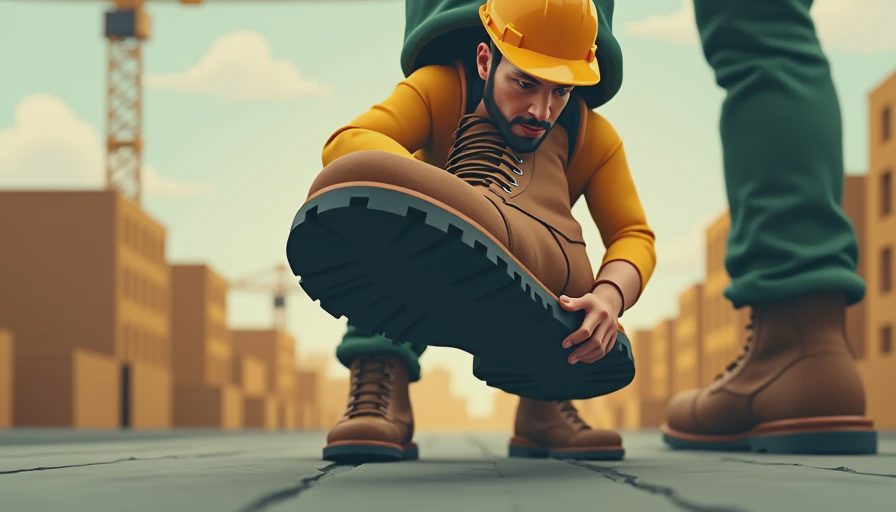
For construction and rough outdoor work, look at leather options from Thorogood, Red Wing, or Danner, then compare the actual safety rating and sole design. Thorogood moc-toe styles are popular because they combine a work-oriented construction with a familiar wedge sole, though wedge soles can collect mud and lack deep-lug performance. Danner and Red Wing offer heavier choices for workers who value structure over sneaker flexibility.
For hot-weather walking, lighter work shoes for men can reduce fatigue, but inspect the upper for exposed mesh and weak stitching. For cold weather, prioritize insulation, room for wool socks, and a sole that stays flexible in low temperatures. A tight insulated shoe can leave your feet colder than a slightly roomier pair because compressed socks lose warmth.
A Five-Minute Buying Check
Before buying, write down your shift length, common surfaces, wet-weather exposure, required safety rating, and normal sock thickness. Set a realistic budget. Solid work shoes often land around $80 to $180, while premium leather models can run $200 or more. Price alone does not predict durability; a $110 shoe that fits your foot can outlast a $220 model that creates hot spots and gets abandoned.
At the store, inspect the stitching, flex point, heel counter, insole, and outsole edge. Bend the shoe where your toes bend, not through the middle of the arch. Check both shoes for uneven construction. Walk on tile, carpet, and a firm surface. Ask about the return period and keep the box until you have worn them indoors for a full evening.
After the first shift, examine your feet, not just the shoe. Redness over the toes, a burning spot under the forefoot, or heel movement means the fit needs attention. Do not expect blisters to become proof of toughness. Rotate pairs if your budget allows; giving footwear a full day to dry can extend its useful life.
The Barrel Verdict
The best work shoes for men are the ones you stop thinking about during the shift. They hold your heel, protect your toes, grip the surface, and leave enough room for your feet to work. I would rather see a properly fitted $100 pair with a serviceable sole than an expensive model chosen for its logo.
Buy for the hazards in front of you, not the job you wish you had. Replace worn insoles, dry wet footwear away from direct heat, and inspect the sole before every demanding shift. If the shoes still feel steady after a week of real work, they have earned a place by the door. If the seams split or the tread disappears early, photograph the damage and send them back. The barrel does not lie, and neither should a work shoe.
Worn in fire. Proven in dirt.