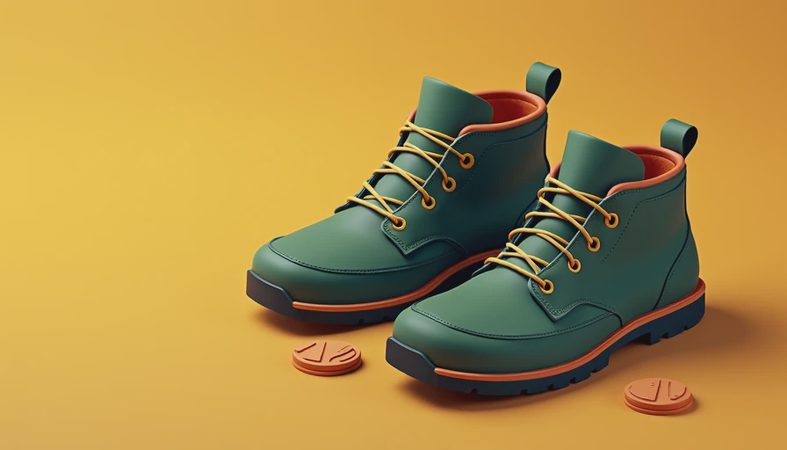
September 2018, Sawtooth Complex, hour 11: my left sock was soaked before lunch. The boots looked fine from the outside, but a split seam above the toe had turned every creek crossing into a cold-water foot bath. That is the problem with waterproof boots. The label can promise a lot while the construction quietly gives up. After years on fire lines, trails, and wet Montana ground, I judge a pair by what happens after the shine wears off.
The right pair keeps feet dry through rain, mud, snow, and shallow water without turning into a sweat box. It also needs a sole that grips, a fit that does not crush your toes, and stitching that survives kneeling beside a truck or climbing over deadfall. Worn in fire. Proven in dirt.
What waterproof boots actually need to do
Waterproof boots are built around a barrier. That barrier can be a treated leather shell, a waterproof membrane such as Gore-Tex or eVent, a rubber lower, or several layers working together. None of those systems is magic. Water can enter through the tongue, collar, seams, damaged eyelets, or a membrane worn thin by flexing.
For everyday work, full-grain leather remains hard to beat for abrasion resistance. It takes time to break in, but good leather handles gravel, brush, and kneeling better than thin synthetic uppers. Membranes usually reduce break-in time and keep rain out effectively, though they can hold heat when temperatures climb. Rubber boots block water well, but they offer less ankle support and can leave feet clammy during a long shift.
Look for a gusseted tongue that connects to the upper above the waterline. Check whether the toe and heel have protective overlays. A boot with a waterproof liner but exposed fabric around the tongue is not ready for constant creek work. The construction matters more than the word printed on the box.
Match the boot to the work
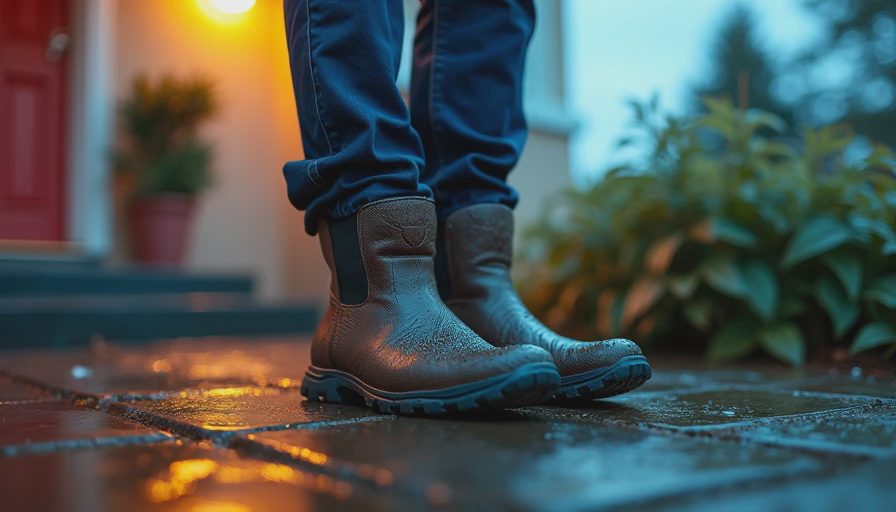
The best waterproof boots for a lineman, trail worker, or construction worker will not necessarily be the best pair for a ranch hand. Start with the ground and the job, not the color or advertising.
For job sites, prioritize a stable heel, a defined outsole edge, and a toe box that leaves room for movement. If the work requires protective footwear, look for ASTM-rated safety toes and electrical hazard labeling appropriate to the task. A safety toe that is too short will punish your feet by midafternoon, especially when climbing ladders.
For hiking and trail work, a moderate shank and firm heel counter help when carrying a pack. Vibram outsoles are common on serious hiking boots because their rubber compounds and lug patterns offer dependable traction, but the specific tread matters. Deep, widely spaced lugs shed mud; smaller lugs feel better on hard pavement.
For cold, wet ranch or utility work, insulation deserves careful thought. A 400-gram insulated boot can feel comfortable near freezing but miserable when the temperature rises or the work becomes physical. Uninsulated waterproof boots with quality wool socks are often more flexible across seasons.
The fit test I use before buying
Waterproof boots should fit differently from casual shoes. Put them on with the socks you actually work in, not thin store socks. Stand on a slope if the store allows it, or walk stairs. Your heel should stay mostly planted while your toes should not touch the front when you lean forward.
Lace the boots firmly across the instep, then check the forefoot. You need enough width to spread your toes, but not so much room that your foot slides sideways. A moving heel creates hot spots, and hot spots become blisters after ten miles or a twelve-hour shift.
Try both boots. Feet are rarely identical, and swelling changes fit during a long day. If your feet are wide, brands such as Keen, Danner, and some models from Thorogood offer roomier options, while narrow-footed workers may prefer a closer heel from brands such as Lowa or Salomon. Brand reputation is a starting point, not a substitute for trying the actual model.
Materials, soles, and the failure points
Waterproof leather needs conditioning, but too much oil can soften support and reduce breathability. Use a product recommended for the boot’s membrane and leather type. Never dry wet boots directly beside a woodstove or truck heater. Heat can shrink leather, loosen adhesives, and curl the heel counter. Remove the insoles, open the laces, and let the boots dry at room temperature.
Inspect the flex point at the ball of the foot every few weeks. That is where membranes, stitching, and glued overlays take the most punishment. Also inspect the welt, the seam around the toe, and the area where the sole meets the upper. Waterproof boots do not become useless the first day they get dirty, but a visible split is a warning to stop trusting them in deep water.
A good outsole should balance grip and durability. Very soft rubber grips slick rock but wears faster on pavement. A hard compound lasts longer around concrete and steel but can slide on wet roots. For mixed work, I would rather have predictable traction than the deepest-looking lugs in the display rack.
How to care for waterproof boots in the field
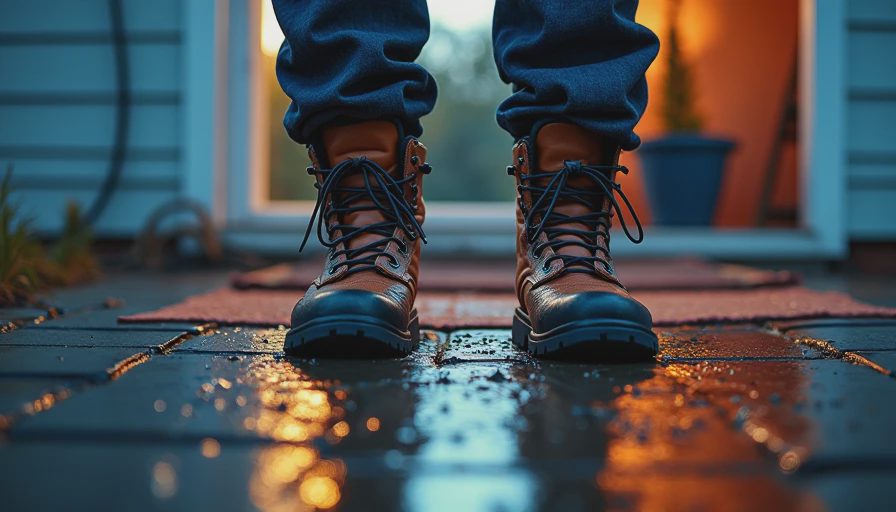
Carry a spare pair of socks in a sealed plastic bag. That is not overpacking; it is cheap insurance when a creek is deeper than expected or a boot develops a leak. If boots get muddy, brush off the dirt after the shift and rinse only as much as needed. Packed mud holds moisture against leather and hides damage.
Let boots dry fully before the next hard day. Rotate pairs when possible, especially during wet seasons. A boot dryer that uses gentle room-temperature air is safer than blasting heat through the liner. Spray-on waterproofing can refresh an aging finish, but it cannot repair a torn membrane or separated sole.
Expect realistic service life. A lightly used pair can last several seasons, while daily brush and construction work may wear through an outsole or flex area in one season. Prices often range from about $120 for basic rubber or synthetic options to $250 or more for premium leather and technical hiking models. Spending more only makes sense when the fit, support, and repairability justify it.
My Fire Line Scale for wet-weather boots
Acceptable means the pair handles rain and short walks but has weak support or questionable durability. Serviceable means it keeps water out through a normal workweek and provides reliable traction. Battle-Tested means the materials survive repeated mud, brush, kneeling, and long miles without the fit falling apart.
Barrel-Ready is reserved for waterproof boots I would trust when the forecast turns ugly and the route has no easy exit. That rating requires more than a clean product photo. The stitching must hold, the outsole must stay predictable, and the boot must remain comfortable after hours of movement.
Before buying, identify your work surface, choose socks first, inspect the tongue and seams, and walk in the boots long enough to find pressure points. Keep your receipt and test them in normal weather before committing to a remote trip. The barrel does not lie, and neither does a wet sock at hour 11. Worn in fire. Proven in dirt.