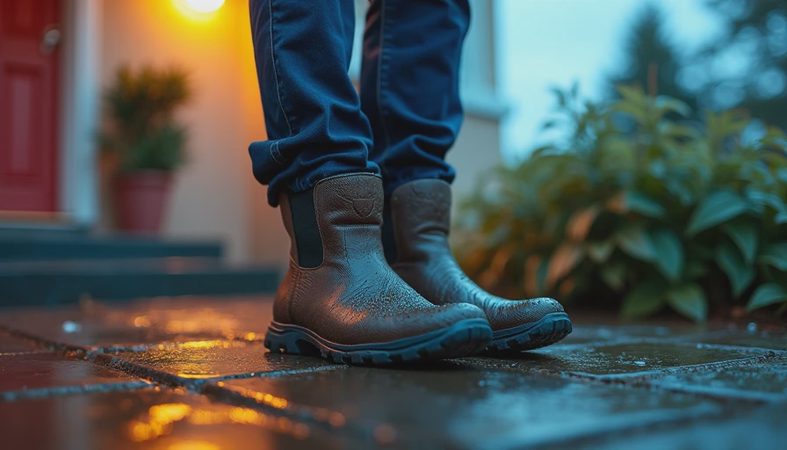
September 2018, Sawtooth Complex, hour 11. My feet were swollen, my socks were damp, and the front of my boots felt like a vise. That is when I learned what wide toe work boots are supposed to do. They should give your toes room to spread, keep your heel planted, and protect your feet without turning every mile into a punishment. A roomy toe box is not a comfort gimmick. For construction crews, linemen, firefighters, ranch hands, and anyone standing on hard ground all day, it can decide whether you finish the shift walking normally.
Why toe room matters on a long shift
Most work boots are built around a tapered shape. The heel may fit correctly, but the toe narrows quickly. That forces the smaller toes inward and makes the big toe push against the sidewall. After eight or ten hours, the result can be hot spots, blisters, numbness, and toenails that stay tender for days.
Wide toe work boots use a broader front profile. The best ones do not simply add material around the entire foot. They create useful space over the toes while keeping the midfoot and heel secure. That distinction matters. A boot that is wide everywhere can let your foot slide, especially on steep ground or when carrying a saw, ladder, or loaded tool belt.
Look at your footprint after a shift. If your toes are pressed together or you see red marks along the outside of your forefoot, your current pair is probably too narrow. A larger size will add length, but it will not always solve a cramped toe box. You need the right shape, not just more inches.
What to check before buying
Start with the safety requirements for your work. A jobsite may call for ASTM-rated composite or steel toe protection, electrical hazard resistance, slip resistance, or a puncture-resistant plate. Those labels address different risks. A safety toe helps protect against impact and compression; it does not automatically make a boot waterproof, comfortable, or suitable for every electrical environment.
Next, inspect the last, which is the mold used to shape the boot. Brands such as Keen Utility often build a noticeably roomier front around their safety toes, while Danner, Thorogood, Carolina, and Red Wing offer models in multiple widths rather than one universal shape. Width lettering is useful, but the actual toe profile matters more than the label. Try boots on late in the day, when feet are closest to their working size, and wear the socks you use on the job.
Leave roughly a thumb's width in front of the longest toe. Your toes should be able to move without touching the safety cap. Then walk downhill, climb stairs, and kneel. If your heel lifts more than a small amount, the boot is too loose or the lacing system is not holding your foot correctly.

Materials that make a difference
Leather remains the practical choice for hard use because it resists abrasion, handles dirt, and can often be conditioned back into service. Full-grain leather generally lasts longer than thin split leather, but it can take several shifts to break in. Do not confuse stiffness with support. A boot that bends at the wrong spot can create more trouble than a softer boot with a well-built shank.
For wet work, wide toe work boots need more than a waterproof label. Waterproof membranes can keep standing water out, but they also reduce breathability. If you spend a summer shift in warm mud, your socks may still get damp from sweat. A gusseted tongue, sealed seams, and a durable outsole are just as important. For frequent creek crossings, consider whether a waterproof boot is worth the heat or whether a quick-drying leather model makes more sense.
The outsole should match the ground. Vibram lug patterns are useful in loose dirt and forest duff, while flatter wedge soles provide steady contact on concrete and finished floors. Deep lugs can track mud indoors and feel awkward on ladders. A heel breast with a defined edge is helpful for some climbing work, but a flat sole can be safer for long pavement-heavy shifts.
How to get the fit right
Put on both boots. Feet are rarely identical, and the larger foot decides the size. Lace the lower eyelets snugly, leave the upper section firm, and walk for at least ten minutes. Your toes should remain relaxed when you stand, squat, and descend stairs. If the safety toe presses against the top of your toes in the store, it will feel worse after a full day.
Do not use thick socks to rescue a poor fit. They can create pressure points and reduce circulation. Start with a moisture-managing work sock, then adjust the boot volume if needed with an insole. Wide toe work boots should feel stable before you add inserts. A supportive insole can improve arch comfort, but it cannot fix a narrow cap or a heel that will not lock down.
Expect a short break-in period for heavy leather. Wear a new pair around the shop for two or three hours, then use it on a shorter shift before committing to a 12-hour day. Blisters are information. A hot spot that appears in the same place twice usually means the boot shape is wrong, not that your feet need to toughen up.
Budget, durability, and replacement signs
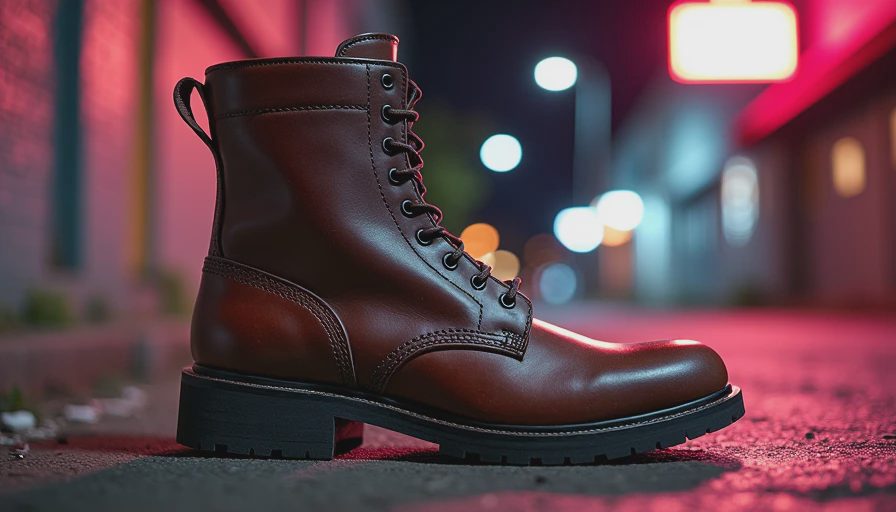
You can find serviceable wide toe work boots around $100 to $160, while better leather construction and replaceable soles often push the price toward $180 to $300. The expensive pair is not automatically the better buy. A $220 boot that lasts two seasons and can be resoled may cost less over time than a $110 boot that loses its tread and collapses at the heel after one wet season.
Inspect the welt, stitching, heel counter, and outsole before purchase. Cemented soles are often lighter and less expensive, while Goodyear welted or stitchdown construction can offer stronger repair options. Neither construction guarantees comfort. The fit still decides whether the boot belongs on your feet.
Replace boots when the outsole is worn smooth, the safety toe is exposed or damaged, the heel leans outward, or the midsole has packed down. A cracked upper can admit water, but a compressed midsole can quietly change your stride and increase fatigue. If the tread is gone before the leather is, ask whether a resole is available. Some work boots are worth rebuilding; bargain pairs usually are not.
Field verdict
The right wide toe work boots should disappear after the first hour. You should notice the ground, the tools, and the weather, not your little toes grinding against a cap. Prioritize a shaped toe box, secure heel, appropriate safety rating, and an outsole suited to your surface. Brands such as Keen Utility are worth examining for generous front shapes, while wide versions from traditional work-boot makers can offer stronger leather and repair options.
My Fire Line Scale rating for a properly fitted pair is Battle-Tested. Not because the label says wide, but because the boot lets your foot work naturally while protecting it from the job. Measure at the end of the day, try on both boots, and walk before you buy. The barrel doesn't lie, and neither do sore feet after a 14-hour shift.
Worn in fire. Proven in dirt.