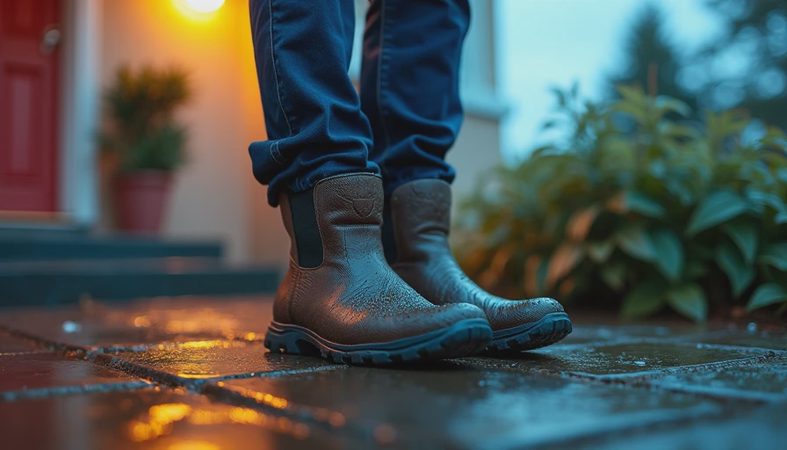
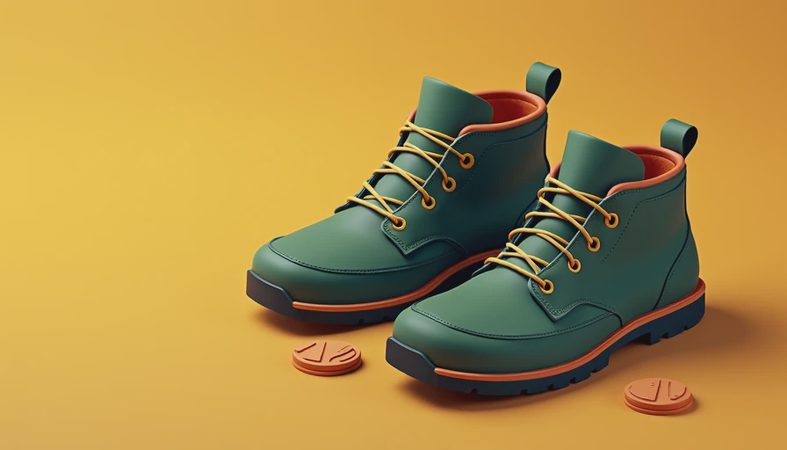
September 2018, Sawtooth Complex, hour 11. My left boot had packed with ash, grit, and sweat until every step felt like I was driving a wedge under my big toe. The boot was tough everywhere except the part that mattered: the fit. That is why wide steel toe boots deserve more attention than a product page giving you a choice between regular and wide. A safety toe cannot do its job well if the rest of the boot turns your foot into a clenched fist.
The right pair should leave room for your toes to spread, hold your heel steady, and survive concrete, gravel, mud, and long shifts. I have worn boots through burn scars, trail work, and wet Montana spring ground. Here is what I look for before trusting them past the truck.
Why width matters more than another layer of padding
A steel toe cap is rigid. It does not stretch because your feet swell after eight or ten hours. If your forefoot is broad, a standard boot can press the little toes against the cap and create hot spots that become blisters. That pressure also changes how you walk. You start rolling onto the outside edge of the foot, especially on uneven ground, and your ankles take the punishment.
Wide steel toe boots solve only part of that problem. The boot must be wide through the toe box, not merely loose around the entire upper. A sloppy heel causes lifting, rubbing, and poor control on ladders. When shopping, look for a shaped toe box, a firm heel counter, and a lacing system that lets you snug the ankle without crushing the forefoot.
Try boots late in the day, when your feet are closest to their working size. Wear the socks you actually use. Stand with your weight evenly distributed and leave roughly a thumb's width between your longest toe and the front of the cap. Walk downhill if the store allows it. Your toes should not slam forward, and your heel should stay seated when you climb stairs.
Safety ratings and materials worth checking
For jobsite protection, look for the ASTM F2413 marking. That standard covers performance requirements for protective footwear, including impact and compression testing. It does not automatically mean a boot is waterproof, slip-resistant, electrical-hazard rated, or suitable for every workplace. Those features need their own markings or manufacturer documentation.
Steel is not the only safety-toe material. Composite toes are lighter and do not conduct cold as quickly, which can matter during a January shift. Aluminum toes provide a slimmer profile but still need a genuinely roomy shape. Steel remains popular because it is durable, familiar, and often less expensive. I have used all three types. The best choice is the one that fits your foot and matches the hazards around you.
Pay attention to the upper and sole as well. Full-grain leather handles abrasion better than thin synthetic panels, though it needs conditioning and drying discipline. A lugged rubber outsole gives useful bite in dirt, while a flatter wedge sole often feels steadier on concrete and shop floors. Oil-resistant or slip-resistant labels are helpful, but no outsole defeats wet clay, hydraulic fluid, and bad foot placement.
Field-tested boot shapes and price points
At the lower end, roughly $80 to $130, you can find serviceable boots from brands such as Caterpillar, Wolverine, and Brahma. Expect compromises in leather thickness, insole quality, or outsole life. These can make sense for occasional work, a new hire building a kit, or a backup pair kept in the truck. They are less convincing for a six-day construction schedule.
The $130 to $220 range is where wide steel toe boots usually become more dependable. Keen Utility, Thorogood, Timberland PRO, and Carolina offer models with practical safety features and better construction. Thorogood moc-toe designs often suit concrete and warehouse work, while Keen Utility tends to give many feet a naturally broad front. Timberland PRO has plenty of accessible options, but model-by-model fit differs, so do not buy on brand reputation alone.
Above $220, you are paying for details such as better leather, rebuildable construction, superior cushioning, or specialized waterproofing. That price can make sense for a lineman, logger, or worker who wears one pair nearly every day. It does not make a poorly shaped boot fit better. I would take a $160 boot that holds my heel and lets my toes spread over a $300 boot that looks impressive in a catalog.
Breaking in a pair without wrecking your feet
Do not take new boots straight into a twelve-hour shift. Wear them around the house for an hour, then use them for a short walk on pavement. After that, give them a two- or three-hour work session before committing to a full day. Leather should flex at the ball of your foot. If the steel cap presses your toes during the first fitting, more break-in will not fix the problem.
Use lacing to control movement. Start with moderate tension over the forefoot, then tighten across the ankle and upper eyelets. A heel-lock lace can reduce sliding on descents. If the boot is slightly roomy but structurally sound, a quality insole or thicker work sock can help. Do not use extra socks to disguise a narrow toe box; that usually creates more pressure.
Watch for numbness, burning, or a hot spot that returns on every walk. Those are fit warnings, not badges of toughness. Let boots dry naturally away from a woodstove or direct heater. Excess heat can shrink leather, weaken adhesives, and turn a promising pair into an expensive mistake.
A practical inspection before buying
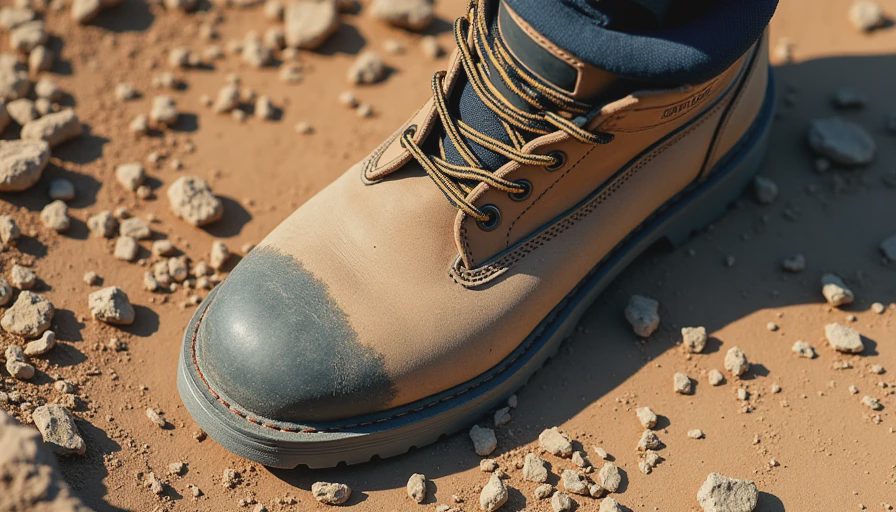
Before handing over your money, bend the boot at the forefoot. The flex point should line up near the ball of your foot, not directly under the steel cap. Press around the toe box and check for hard edges inside. Run your hand along the collar for rough stitching. Look at the welt or sole bond for gaps, lifted rubber, or uneven adhesive.
Put both boots on. Feet are rarely identical, and one side may need more room. Walk, squat, climb a step, and kneel if you can. Check whether the tongue stays centered and whether the collar digs into your ankle. For waterproof models, remember that the membrane can keep rain out while also making the boot warmer. If your work is mostly indoors, a breathable uninsulated boot may serve you better.
Ask about returns before ordering online. Zappos, manufacturer websites, and large workwear retailers often have different rules once the outsole shows dirt. Try boots on clean floors, save the packaging, and inspect them immediately. A ten-minute fit check can prevent weeks of blisters.
The Fire Line Scale verdict
For broad feet, wide steel toe boots are not a luxury. They are basic equipment that keeps your stride normal when the shift gets long. Choose the width by measuring your actual foot, not by guessing from an old pair. Confirm the ASTM marking, inspect the toe shape, and match the outsole to the surface where you earn your paycheck.
My rating system is simple. A boot with a roomy, secure fit and honest construction is Serviceable. One that stays comfortable through wet ground, gravel, and a full shift becomes Battle-Tested. If the sole remains attached, the lining stays intact, and the toe box still gives your feet room after a season, it earns Barrel-Ready consideration.
The barrel does not lie, and neither does a sore foot. Spend your money on fit first, safety features second, and brand name third. Worn in fire. Proven in dirt.