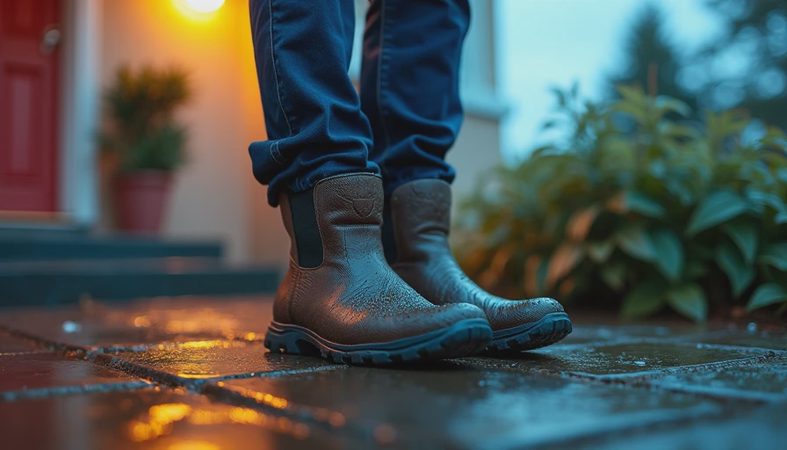
September 2018, Sawtooth Complex, hour 11. My boots were full of grit, my socks were wet, and the front of each foot felt like it had been clamped in a vise. That was the day I stopped treating foot width as a minor fit issue. The right wide safety shoes do more than feel comfortable at the store. They give your toes room to spread, keep a protective cap from grinding against your foot, and help you finish a shift without walking like an injured mule.
For construction crews, mechanics, warehouse workers, linemen, and anyone who spends ten hours on concrete, fit matters as much as the safety rating. A shoe that pinches can create hot spots, blisters, numbness, and sloppy footing. I have worn plenty of protective footwear on trails and work sites. The good pairs disappear under your feet. The bad ones announce themselves every step.
What makes a safety shoe genuinely wide
A wide label is not a measurement standard. One brand’s wide can feel like another brand’s regular, while an extra-wide model might simply add material around the heel instead of giving your toes more usable space. When you shop for wide safety shoes, look at the shape of the toe box first. It should allow your toes to spread naturally without pressing against the sides or the protective cap.
Try them on late in the day, when your feet have expanded from walking. Wear the socks you use on the job. Stand, bend your knees, and walk down a hard floor. Your longest toe should not touch the front when your heel is seated. The shoe should also hold your heel firmly without squeezing the middle of your foot.
A roomy toe box is not the same as a loose shoe. If your foot slides forward on a ladder or downhill grade, you lose control and create friction. Look for lacing that can be adjusted across the forefoot, a padded tongue, and a heel counter that keeps the rear of the shoe planted.
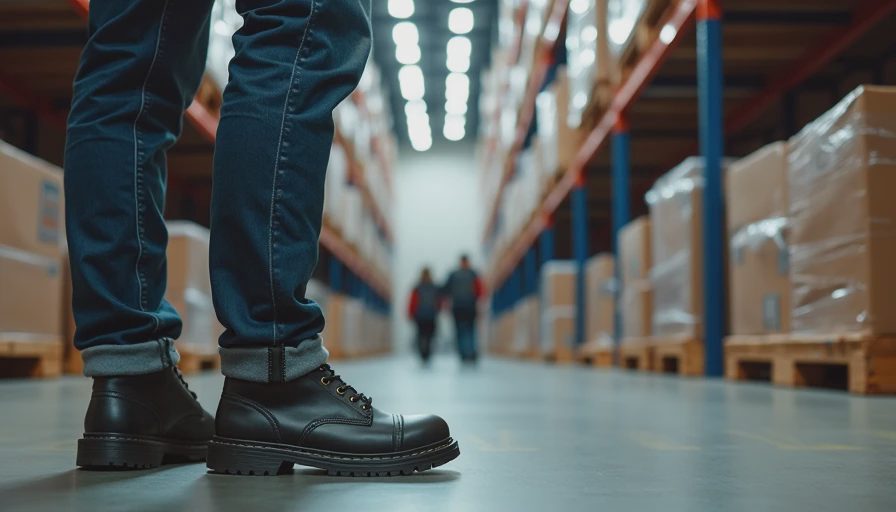
Safety toe options and what they feel like
Steel toes remain common because they are durable and usually cost less. They can feel heavier, especially in a full-shift work shoe, and they can conduct temperature more readily in very cold conditions. That does not make every steel-toe shoe uncomfortable. Good shaping and adequate insulation matter more than the material alone.
Composite toes use materials such as carbon fiber, fiberglass, or reinforced plastic. They are often lighter and do not conduct cold as quickly. That can be useful for outdoor crews working through Montana mornings or winter concrete pours. Aluminum toes split the difference in some designs, offering a lighter option than steel while keeping a familiar protective structure.
The safety toe must match the shape of your foot. If the cap narrows sharply near the little toe, wide safety shoes can still feel cramped even when the outer upper looks generous. The cap should protect without resting on your toes. Also confirm the footwear carries the safety rating required by your employer and job site; appearance is not proof of compliance.
Traction, midsoles, and job-site footing
A wide shoe is not much help if the outsole slides across wet plywood. I look for a rubber compound with defined lugs, a stable heel, and a tread pattern that can shed mud without becoming a packed block. Deep lugs help on loose soil, but they can feel awkward on smooth warehouse floors. For mixed work, a moderate lug pattern is usually the better compromise.
Pay attention to the midsole, too. A stiff platform can protect your foot from sharp debris and reduce fatigue when carrying loads. Too much stiffness makes kneeling and climbing uncomfortable. Foam cushioning can feel excellent for the first hour and collapse into a flat slab after months of hard use. EVA is light and comfortable; polyurethane often feels denser and holds its shape longer, though the shoe may weigh more.
For electrical work, check whether the footwear has the properties your employer requires. Slip resistance, puncture resistance, electrical hazard protection, and waterproof construction are different features. One label does not automatically cover all of them.
Materials that survive a full shift
Leather remains a dependable choice when a shoe will see dust, oil, abrasion, and rough handling. Full-grain leather usually takes longer to break in, but it can develop a useful working shape and resist scuffs better than thin synthetic mesh. Brands such as Keen Utility, Thorogood, Red Wing, and Timberland PRO offer different approaches, from flexible athletic styles to sturdier work shoes.
Synthetic uppers can reduce weight and dry faster after a wet shift. They are often more comfortable straight from the box, but a lightweight mesh upper will not tolerate the same abuse as thick leather near rebar, skid-steer steps, or sharp rock. Wide safety shoes built with a reinforced toe rand and stitched overlays generally hold up better than shoes relying only on glued decoration.
Do not ignore the tongue and collar. A gusseted tongue helps keep gravel and sawdust out. A padded collar prevents the upper edge from cutting into your ankle. Those details are small on a product page and obvious after eight hours.

How to break them in without wrecking your feet
Do not make the first wear a twelve-hour shift. Start with an hour at home, then take a short walk on pavement. Check for pressure at the protective cap, heel movement, and any seam that rubs the top of your foot. If a shoe causes numbness in twenty minutes, more break-in will not fix the shape.
Lace the lower eyelets snugly and leave the upper section adjustable. On downhill ground, a heel-lock lacing pattern can keep your foot from sliding forward. Use moisture-wicking work socks with enough cushioning to fill the shoe without making it tight. Cotton socks absorb sweat and stay damp, which increases friction.
Rotate footwear when possible. Two pairs can extend drying time and give the cushioning a chance to recover. Remove the insoles after a wet shift, brush off mud before it hardens, and let the shoes dry away from a heater. Direct heat can shrink leather, damage adhesives, and distort the toe area.
What I would pay and what I would skip
Entry-level wide safety shoes commonly land around $60 to $100. They can serve light warehouse work, occasional shop projects, or a job where the floor is clean and the shifts are short. At $100 to $180, you start seeing better footbeds, stronger uppers, improved traction, and more consistent sizing. That middle range is where most workers should begin looking.
Above $180, construction quality can improve, but price alone does not guarantee comfort. A premium shoe with a narrow cap is still the wrong shoe. I would spend $130 on a properly shaped Keen Utility or Timberland PRO model before spending $220 on a fashionable pair that leaves your toes pressed together.
Skip any shoe that twists easily through the protective toe, has a heel that lifts with every step, or feels tight while standing still. Also skip aggressive waterproof claims without a clear membrane or sealed construction. Water resistance is useful; a magic promise printed on a box is not.
The Fire Line Scale verdict
For wide safety shoes, my rating starts with the fit and ends with the outsole. Acceptable means the shoe meets the required safety standard and gets through a normal shift. Serviceable adds dependable traction and a toe box that does not punish your feet. Battle-Tested means the upper, midsole, and heel remain stable after months of dust, concrete, and weather.
Barrel-Ready is reserved for footwear I would trust when the ground is uneven, the shift is long, and turning back is inconvenient. That does not mean every worker needs the heaviest model. A warehouse picker may need flexibility, while a mechanic may value oil resistance and a stable platform. Match the shoe to the work instead of buying the toughest-looking option.
Before you order, measure both feet, compare the brand’s width chart, and read the return policy. Try wide safety shoes with your job socks before removing tags or scuffing the sole. Your feet are the foundation of every shift. Give them room, give them traction, and do not let a clever label talk you into a poor fit.
Worn in fire. Proven in dirt.