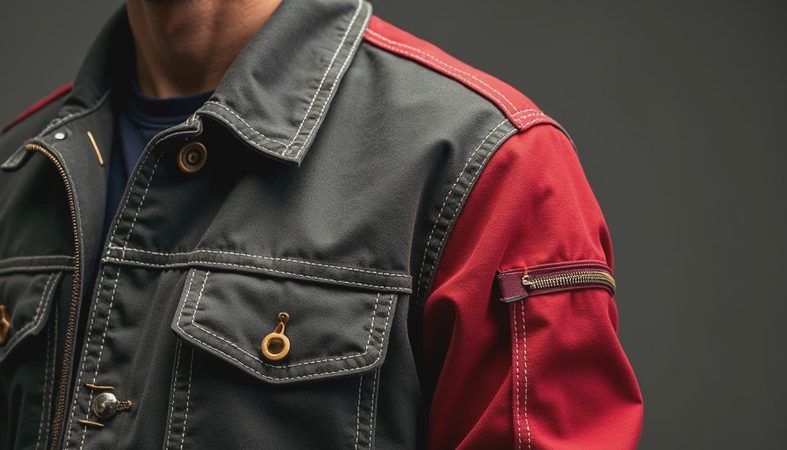
I have burned through enough waterproof work pants to know the difference between a slick sales page and a pair that stays useful after a week of wet brush, mud, and cold steel at dawn. In my line of work, the wrong pants turn into a sponge by breakfast, then a wet, clammy shell by lunch. The right pair keeps the wind off, sheds a steady rain, and still lets you climb, kneel, and swing a tool without fighting the fabric.
Most waterproof work pants fail for the same simple reason: they are built like a rain cover first and workwear second. That is fine if you are walking from the truck to the office door. It is not fine if you are dragging hose, kneeling in gravel, or sitting on a damp tailgate for ten hours. The trick is to look past the marketing and ask what the pants are actually made of, how the seams are finished, and whether the fit gives you room to move without dumping water into the cuffs.
What the shell needs to do
If a pair is going to earn its place, it has to block real water, not just a mist. That means a coated nylon or polyester shell, a laminate, or a fabric with a true waterproof membrane. DWR alone will bead water for a while, but it will not save you when you are pushing through wet grass, alder, or steady rain. Most waterproof work pants fail at the seams before the fabric itself gives up, so taped seams matter more than a fancy hang tag. If the seat, crotch, or inside leg panels are left raw, water finds them fast.
Breathability matters too, but I would put it behind durability for most trades. A guy hanging sheetrock on a dry site does not need the same rain protection as a trail crew in October. For daily work in wet country, I want something that sheds rain, resists abrasion, and does not feel like a trash bag after an hour. That usually means a heavier fabric than the cheap emergency rain gear you see at the gas station.
The best test is simple: crouch, step over a log, or climb a tailgate ladder while the pants are wet. If the knees bind or the crotch pulls tight, you will feel it all day. If the fabric makes that loud plastic rustle every time you move, expect less comfort and more sweat. Quiet fabric is not a guarantee of quality, but noisy fabric often tells you where the budget went.
Fabrics, seams, and the details that save a shift
A lot of waterproof work pants are built from coated polyester because it is cheaper and holds up well enough for light to moderate abuse. Nylon usually gives you better tear resistance and a little more flex. A laminate can cost more, but it often breathes better than a heavy coating. None of that matters much if the zipper leaks, the seam tape peels, or the cuff edge frays after one season in brush.
This is where brand positioning starts to matter. Carhartt usually leans hard into rugged workwear. Helly Hansen has a long history in wet-weather gear for marine and industrial crews. Grundens built its name around harsh water and foul weather. Duluth Trading and Wrangler Riggs tend to aim at practical work fit with enough room for movement. None of them are magic. What matters is whether the cut matches your job and whether the build matches the abuse.
Pay attention to pockets, but do not let pocket count talk you into a bad pair. A cargo pocket on a waterproof shell is useful only if the flap does not funnel rain inside. Side zips can help you pull the pants over boots, and reinforced knees are worth real money if you spend time kneeling on concrete or shale. Adjustable cuffs are handy when you do not want the hem dragging through mud. If the pants have suspenders, make sure they are actually usable with a pack or a harness.
Fit is half the battle
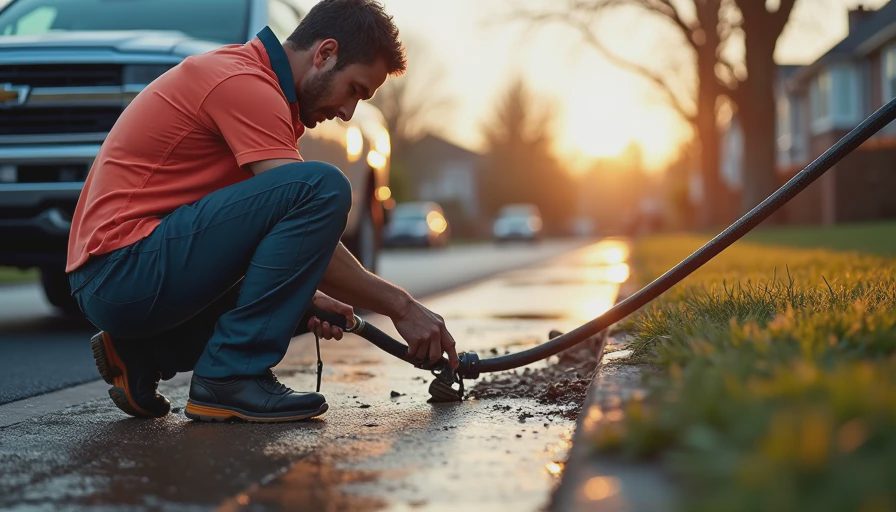
The best waterproof work pants move like work pants and seal like rain gear. That is a hard balance, and you usually get it by accepting a little more room through the thigh and seat. A tight fit feels cleaner on the rack, but it usually fails in the field because the fabric loads up at the knees and the seat rides down when you bend. A relaxed cut with a gusseted crotch gives you a better shot at staying dry and keeping your stride natural.
If you wear knee pads, check the rise and the leg shape before you buy. Some pants advertise room through the thigh, then taper too hard below the knee and fight every step. Others are cut long enough to overlap boot tops, which keeps splash out but can snag in brush if the cuff is too wide. For crews working in muck, snow, or tall grass, I like a hem that clears the boot but does not flare like bell bottoms.
Size up only if you need room for layers. Oversizing just to chase comfort can backfire when the waistband sags and water runs down the back. A better move is to find a pair with a real waistband, belt loops that do not feel decorative, and enough rise to stay put when you bend at the waist. If you carry a radio, knife, or pliers, test whether those items jab through the shell when you sit.
The other thing fit controls is fatigue. Wet fabric rubbing your inner thigh is a small problem for the first hour and a major distraction by hour eight. When I am sorting through waterproof work pants for trail work or storm cleanup, I want enough room to climb, kneel, and step over deadfall without hearing stitching scream.
What to spend, and what you actually get
You can find budget rain pants in the $30 to $60 range, but most of those are emergency gear, not daily work gear. They are fine for a homeowner clearing gutters or a driver who needs one rainy day a month covered. In the $70 to $150 range, you start seeing better seams, tougher fabrics, and cuts that work over boots. Once you get past $150, the money should buy better durability, better patterning, or both. If it does not, keep walking.
For a guy on a crew wage, I would rather see $110 spent on one reliable pair than $240 spent on a premium label that still wets out at the seat. If you work in rain every week, the better pants pay for themselves in comfort and fewer replacements. If your wet weather is occasional, do not overbuy. Get enough protection to finish the job, then put the money into boots or socks where it will be felt every day.
There is a line between overbuilt and useful. A heavy shell can take a beating, but if it is so stiff that you cannot squat in it, it will stay in the truck. That is wasted cash. I have watched good-looking pants get retired early because the knees cracked, the hem delaminated, or the seam tape peeled after a season of real use. The barrel does not care what the label said.
Care, failure points, and the last check before you buy
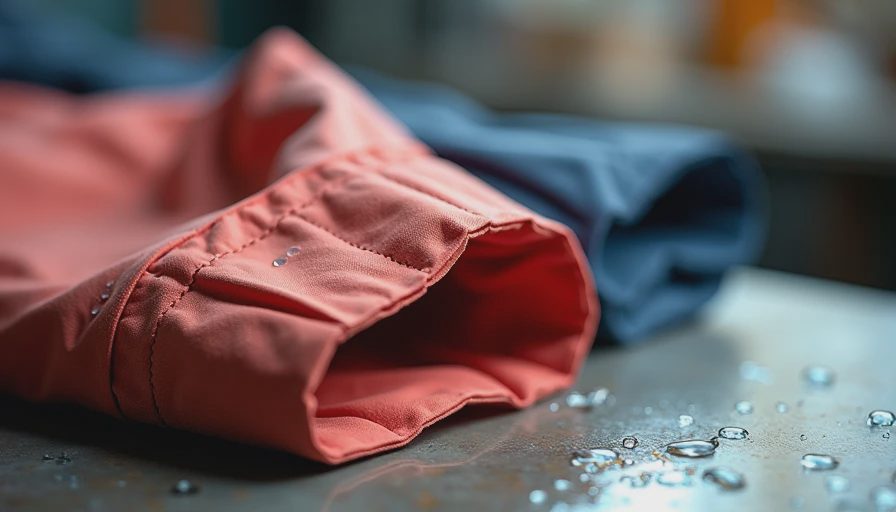
Waterproof gear lasts longer when it is cleaned like gear, not treated like old denim. Mud and salt eat coatings. Heat ruins them faster than most people think. If the tag says low heat or air dry, believe it. High dryer heat can cook seam tape and shorten the life of the shell. Reproofing spray helps restore water beading after a season of abuse, but it will not fix a torn cuff or a seam that has already opened.
Before you spend money, look at the places that fail first: inside thighs, seat, knees, cuff edges, and pocket corners. Bend the knees in the dressing room. Sit down. Step up onto a bench. If the pants pinch hard or pull down your back waist, they will bother you more in the field. If they feel decent while dry but trap too much heat, they will be miserable once you start moving. A little sweat is better than a soaked leg, but there is no reason to choose the clammiest option on the shelf.
If you only remember one thing, waterproof work pants need to survive water and work at the same time. Plenty of pants can do one or the other. Very few do both without compromise. Buy the pair that matches your job, not the one with the loudest promise. Worn in fire. Proven in dirt.