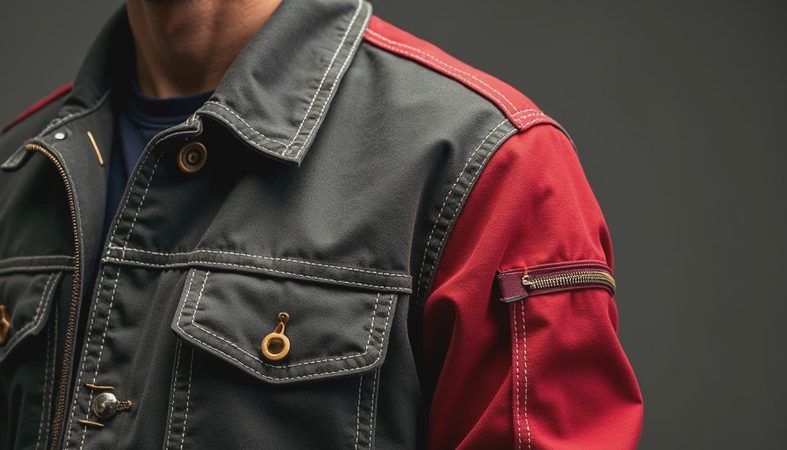
I’ve burned through enough pants on crews, ranch jobs, and trail days to know this: the best work pants for men are not the pair with the slickest ad copy, they’re the pair that still close clean after six months of kneeling, climbing, and riding in a truck. A lot of pants look tough on the rack and fold at the first hard week. Seams blow out, knees bag, pockets tear, and the fabric twists after a wash. If you need one pair for the shop and another for the weekend, fine. If you need one pair that earns its keep, start with cloth, then fit, then stitching. Price matters too, but only if the pants survive real abrasion. On most jobs, a solid pair lands between $40 and $90, with premium options going higher only when the build is there.
Fabric first, because abrasion wins
Canvas and duck still have a place for hard use. A heavier cotton duck in the 10 to 12 ounce range takes a beating better than thin fashion twill, especially if you crawl under equipment, carry tools, or brush against rough lumber all day. Ripstop and stretch blends make more sense when the work is hotter and more mobile. If you spend hours hiking fence line, setting survey marks, or moving in and out of a cab, a lighter fabric with a bit of elastane can keep you from feeling boxed in by noon.
The tradeoff is simple. Heavier cloth lasts longer against wear, but it runs hotter and takes longer to break in. Lighter fabric breathes better, dries faster, and feels easier on the first wear, but it can give up sooner at the knees or seat. Carhartt duck, Wrangler Riggs canvas, Dickies industrial twill, and 5.11-style ripstop all live in different lanes for a reason. Pick the lane that matches your day, not the one that sounds toughest.
How I judge the best work pants for men
Fit is not about vanity. It is about movement. If the rise is too low, every time you squat you are fighting the waistband. If the thigh is too tight, you burn out the crotch seam faster. If the leg opening is too wide, it catches on boots and snags on ladder rungs. The best work pants for men give you room in the seat and thigh without turning into parachutes. A straight fit usually works for most crews. A relaxed fit helps bigger legs and people who spend all day in and out of a skid steer or pickup.
Pockets matter more than most brands admit. Deep front pockets keep tape measures and drivers from spilling out when you bend. A reinforced utility pocket beats a fake cargo flap every time. If you carry a knife, marker, or notebook, check where those pockets sit before you buy. Once a pocket is too high or too narrow, you live with it until the pants wear out. I also want a waistband that stays put without a belt cranked to the last hole.
Stitching, knees, and heat are where cheap pants fold
This is where the barrel does its work. A lot of pants fail at the same places: inside thigh, back pocket corner, knee seam, and belt loop attachment. Triple-needle stitching and bar tacks are not marketing glitter. They spread stress instead of dumping it into one weak spot. If you spend much of your day on concrete or gravel, double knees are worth a look because they buy you time before the fabric blows out. Some versions even take knee pads, which helps if you are on the floor installing trim, pulling wire, or working low on machinery.
Heat changes the picture. A pair that feels bulletproof in October can turn into a sweat trap in July. That is why I keep both a heavier pair and a lighter pair in rotation. If a pants label talks about toughness but the seams start puckering after a few hot washes, the barrel does not lie. The fabric can brag all it wants. If the stitching gives up first, it was never built for work.
What the price ladder really buys
At the low end, around $30 to $45, you are usually buying basic cotton twill or lighter canvas. Red Kap and Dickies live here a lot, and they can be fine for shop work, school maintenance, delivery routes, or occasional use. The cloth may not be fancy, but a simple cut and decent reinforcements can still get the job done. The catch is faster wear in the knees and seat, especially if you are hard on pants.
In the $50 to $90 range, you start seeing better stitching, stronger pocket bags, more useful fits, and fabrics that hold shape longer. This is where a lot of crew guys should shop first. Go much above $100 and you should expect a real reason: heavier duck, better stretch, more durable reinforcements, or features that fit the job. 5.11, Duluth Trading, Carhartt, and Wrangler Riggs all have options in this zone, but the model matters more than the logo.
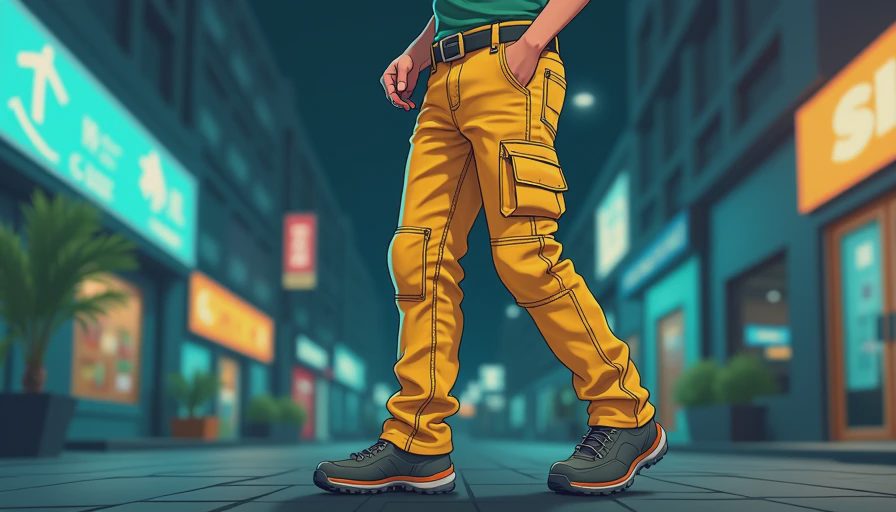
Match the pant to the job
A concrete finisher, carpenter, or heavy equipment operator usually does better in heavier canvas or duck because abrasion is the enemy. A trail worker, surveyor, or utility tech may want lighter ripstop with stretch so the pants do not fight every step uphill. For welding or grinder work, look closely at cotton-rich fabrics and plain stitching without a bunch of plastic trim near sparks. For ranch work, the best answer is often a balanced pair that tolerates brush, mud, and long hours in the saddle or truck.
If you are shopping for one do-everything pair, choose a straight or relaxed fit in a midweight fabric with reinforced knees and deep pockets. That gives you enough comfort for travel days and enough toughness for the real shift. The pair that wins is not the one with the most pockets. It is the one that disappears once you get to work.
Buy smarter, not harder
Before you order, check inseam, rise, and return policy. If you are between sizes, order two and keep the one that lets you squat, kneel, and step onto a tailgate without pulling across the seat. Wash them once before you judge the fit, because some cotton blends tighten up after the first cycle. If the brand offers a gusseted crotch or articulated knee, that is usually a good sign, but the cut still has to match your body.
The shortest answer is this: buy the pair that can survive a week of real use without twisting, tearing, or pinching you in the wrong places. That is how you find the best work pants for men without wasting money on hype. Worn in fire. Proven in dirt.