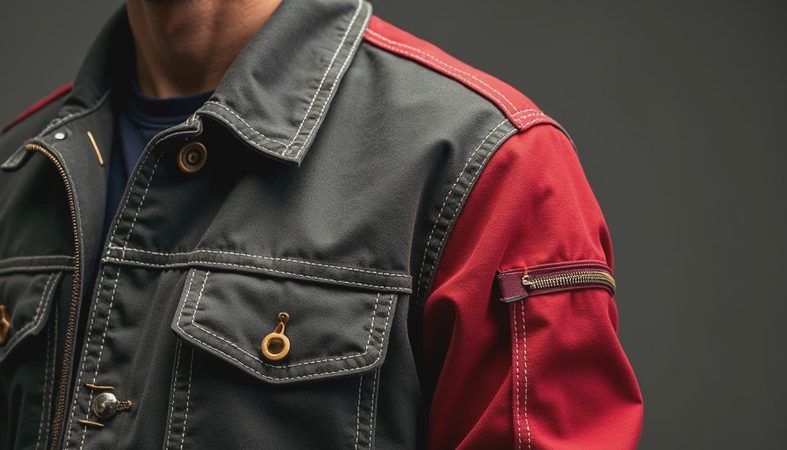
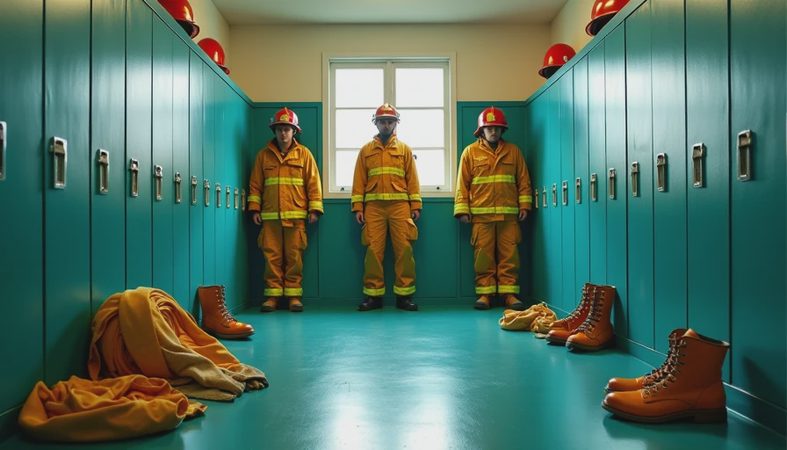
nomex pants are not magic, and nobody who has watched a leg cuff singe on a snag line thinks they are. They are a fire-resistant garment built from Nomex aramid fiber, which means the cloth chars instead of turning into a gooey mess when heat shows up. That matters on a fire line, around welding sparks, or any job where flash heat is part of the day. It also matters to a buyer because nomex pants are not the same thing as thick cotton work pants with a marketing patch sewn on. The good ones are built to take sparks, abrasion, and long shifts without falling apart at the knee or bagging out by lunch. If you need pants that can handle heat and still move, this is the lane to understand.
What nomex pants actually are
nomex pants are built for jobs where flame resistance is part of the uniform, not a bonus feature. Nomex is an inherent FR fiber, so the protection is in the material itself, not just a chemical finish that washes out over time. That is why wildland crews, utility workers, and some industrial hands keep coming back to it. The fabric does not melt like polyester, and it does not behave like cheap synthetic blends when heat hits it hard. It still can burn if conditions are bad enough, but it is made to self-extinguish and keep the damage from spreading.
On the fire line, that difference matters more than most sales copy admits. A pair that passes a spec sheet but binds when you climb, kneel, or drag hose is not a real answer. Good nomex pants are supposed to disappear on the body until the work gets ugly. When that happens, they should hold their shape, take a little ash, and keep you from thinking about your legs every five minutes. If you work around sparks, chainsaws, exhaust heat, or flash exposure, these pants make sense. If your day is mostly office time and a clean truck cab, they are expensive overkill.
Fit beats fabric weight every time
The first thing I look at is the cut. nomex pants can be sewn from good cloth and still fail the real test if the rise is wrong or the seat is too tight. A pair that pinches while you step over a log is a pair that will ride down when you load tools, bend over, or spend an hour in a saw line stance. You want enough room in the thighs for movement, enough rise that the back stays covered, and a hem that does not drag on every rock and root.
Knee shape matters too. If the knees are straight tubes, the fabric piles up when you kneel. If they are shaped with a little bend, the pants move with you instead of against you. I also pay attention to pocket placement. Tool pocket, rear pocket, and hand pocket openings should be usable with gloves on. Deep pockets sound nice until they swallow tape, a lighter, or a small notebook. If a pair has suspender loops, reinforced belt loops, and a waistband that stays put under a pack belt, that is a good sign. If the fly twists or the crotch seam feels weak in the store, it will be worse on shift.
What to look for before you spend money
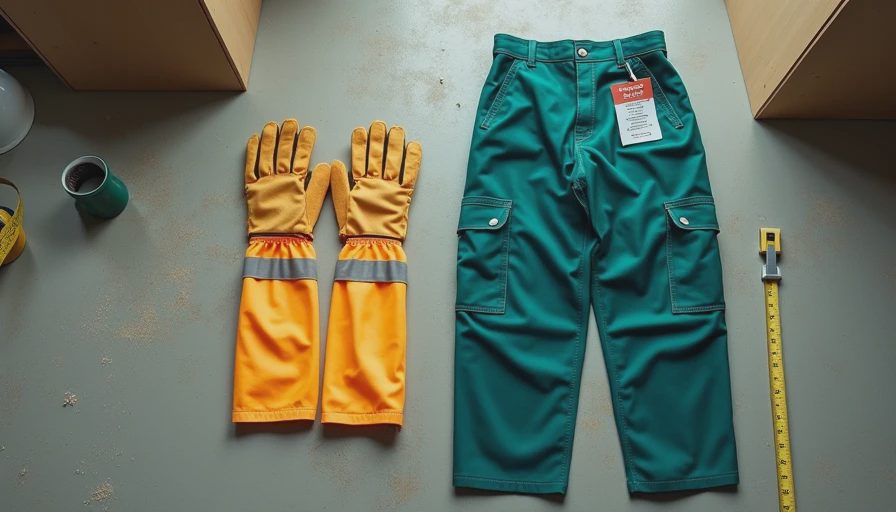
Build quality separates a serviceable pair from a pair that gets earned. Check the seam stitching first. Even stitches, tight thread, and bar-tacked stress points tell you somebody thought about field use. Look at the knees, seat, cuff, and pocket mouths, because those are the places that fail first. A little reinforcement there is worth more than extra logos or fancy packaging. If you find double stitching at the inseam and a clean finish around the cuff, that is money better spent than a flashy pocket layout you will never use.
Price usually runs from about $90 on the low end to $180 or more for tougher wildland-grade pairs, and the jump is not always about the brand name. Some of the better workwear names in this lane, like Workrite and Bulwark, have earned their keep because the pants hold together after repeated wash cycles and hard bending. Cheaper pairs can work fine for short-term duty or backup use, but I have seen bargain cloth fray at the pocket edge before the first season is over. If you are buying one pair for the year, spend on the seams and the fit before you spend on color or style.
nomex pants versus cotton or ordinary FR work pants
A lot of people try to save money by reaching for heavy cotton denim or a generic FR pant. Cotton is better than a plastic-heavy blend that can melt, but it is not the same as nomex pants when heat is part of the hazard. Regular cotton can burn through, hold more moisture, and lose comfort fast once the day gets long. Some FR work pants are good, especially when they are designed for the exact job, but not every FR label means the same thing. Some are inherent FR, some are treated, and some are meant for flash exposure rather than rough trail or brush work.
That is where the use case matters. If you are a wildland firefighter, sawyer, or lineworker around active heat sources, the better material earns its place. If your biggest threat is rocks, thorns, and cold rain, a different pant might give you more value for the dollar. I have worn pants that looked tough in a catalog and turned sloppy after one wet week in the brush. I have also worn pairs that were plain as fence wire but stayed together for two seasons. The cloth matters, but the build and the pattern matter just as much.
Care, repairs, and when to retire them
Most people lose a good pair by ignoring the care tag. Wash them clean, keep the detergent simple, and skip fabric softener unless the manufacturer says otherwise. High heat in the dryer is a bad habit if the label warns against it, and it can shorten the life of the waistband and seams. Dirt, sweat, and ash are rough on any garment, so a clean pair lasts longer than one that stays caked all summer. You do not need special treatment. You do need to avoid beating the fabric up for no reason.
Inspect them after hard use. Look for thinning at the knees, shiny spots from heat, loose threads at the pocket corners, and cuffs that have gone crispy. If you can see real damage in the cloth, not just dirt, it is time to think about replacement. Small seam repairs are fine when the fabric around them is still healthy. If the cloth is charred through, stretched out, or worn thin enough that light shows through at stress points, those pants are done. On my scale, that is the difference between Battle-Tested and headed for the barrel.
Who should buy them and how to spend smart
nomex pants are worth buying if your day includes heat, sparks, or a uniform that has to meet a real FR standard. That covers wildfire crews, certain utility jobs, welding-adjacent work, and some industrial settings where flash exposure is part of the risk. If your work is mostly landscaping, shop cleanup, or general labor with no heat hazard, plain durable work pants may give you better value. There is no honor in overspending for a hazard you do not face.
If you do need them, buy the pair that fits your body and your job, not the pair that looks toughest in a product photo. One good pair beats two cheap ones, especially when a bad fit causes fatigue by midshift. If the waistband slips, the knees bind, or the inseam rubs raw by lunch, you will hate them long before they fail in a fire. Pick the pair that lets you climb, kneel, and sit in the truck without thinking about your legs. That is the whole point.
Worn in fire. Proven in dirt.