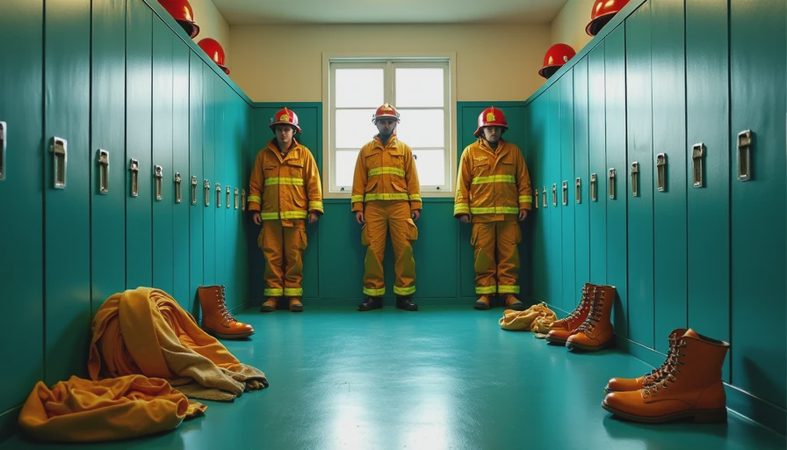
September 2018, Sawtooth Complex, hour 11. The temperature dropped, the wind came up, and my old jacket caught on every snag along the dozer line. That is when I learned what work jackets for men need to do: block weather, move with your shoulders, and survive contact with tools, trucks, and rough ground. A clean-looking jacket is easy to sell. A jacket that still works after three seasons is harder to find.
I have worn jackets through Montana shoulder seasons, wet trail work, sawdust, smoke, and long hours leaning against a rig. This guide is about the details that matter after the first week, when the factory finish is gone and the cuffs have collected half the jobsite.
Start With the Work, Not the Brand
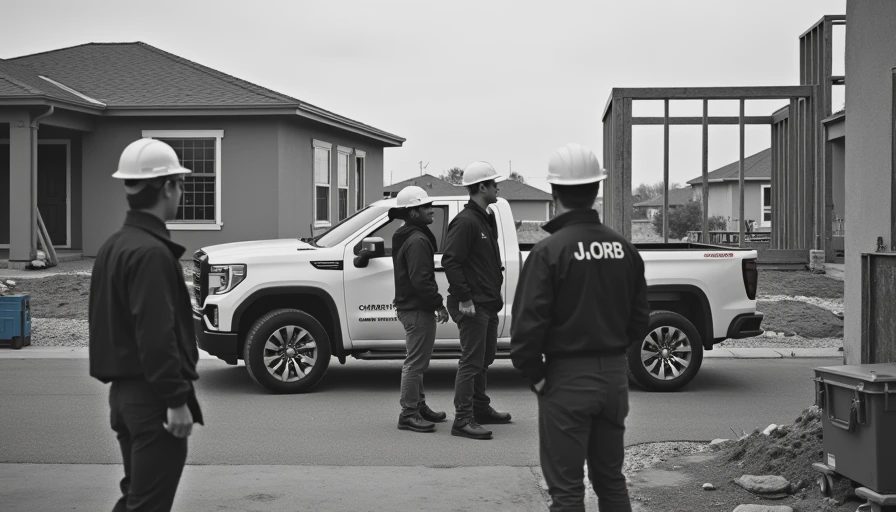
The right jacket depends on the workday. A construction worker standing beside an open building needs wind protection and abrasion resistance. A lineman needs reach through the shoulders, secure pockets, and enough room for a harness. A trail worker may prioritize low weight, quiet fabric, and weather protection over heavy insulation. A ranch hand often needs a jacket that handles hay, barbed wire, cold gates, and repeated washing.
Before buying, write down three conditions you face most often. Is it rain, wind, sparks, mud, cold, or constant bending? Then decide whether you need an outer shell, insulation, or both. A lined duck canvas jacket can handle abuse but feel heavy during active work. A nylon shell packs smaller and dries faster but can snag or melt around high heat.
Work jackets for men are often marketed as universal gear, but no single layer handles every hazard. A warm jacket that is excellent on a frozen morning can become miserable during a hard climb. A thin shell that is perfect in April may leave you shivering at a stationary night shift. Build around your actual hours outside.
Materials That Earn Their Keep
Cotton duck remains popular because it is tough, quiet, and comfortable after it breaks in. Brands such as Carhartt and Dickies have built their reputations around this kind of practical fabric. Duck canvas works well for carpentry, equipment work, ranch chores, and general outdoor labor. The tradeoff is weight. Wet cotton takes time to dry, and untreated cotton is not a substitute for flame-resistant clothing.
For wet conditions, coated nylon and polyester shells shed rain better and usually dry faster. They are useful for survey crews, trail work, and construction in changing weather. The weak point is heat. Some synthetic fabrics can melt or shrink near flames, hot exhaust, grinders, or welding sparks. Do not wear an ordinary rain shell where the job requires certified flame-resistant protection.
Insulation also deserves a close look. Polyester fill is affordable, dries reasonably well, and continues providing some warmth when damp. Fleece-lined jackets breathe better during movement but can lose warmth in hard wind. Wool blends handle temperature swings well, though they cost more and may need gentler care. The best work jackets for men use the fabric to match the exposure instead of piling on insulation everywhere.
If you work around flash-fire or arc-flash hazards, buy garments carrying the appropriate recognized safety rating for that task. Flame-resistant clothing is designed to self-extinguish or limit burn injury under defined conditions; it is not fireproof. Cotton, canvas, and a tough appearance do not prove compliance.
Fit, Pockets, and Movement
A jacket should close without pulling across your back when you reach overhead. Test that motion while wearing the layers you actually use. If the hem rides above your belt or the cuffs expose your wrists, the jacket is wrong for the job no matter how good the fabric feels in the store.
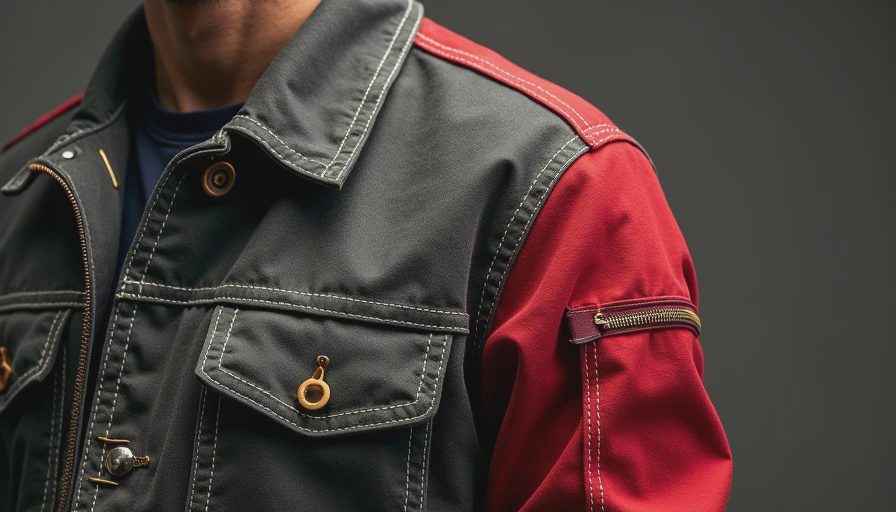
Look for sleeves shaped for bent elbows, adjustable cuffs, and a collar that closes without rubbing your throat. A two-way zipper can help when seated in a truck or wearing a tool belt. Snaps are useful with gloves, while a full-length zipper is faster in changing conditions. Reinforced elbows are worthwhile for crawling, kneeling, and leaning against rough surfaces.
Pockets should hold what you carry without turning into swinging weights. Handwarmer pockets need to sit above a belt or harness. Interior pockets protect a phone from rain and sawdust. Chest pockets are useful for a pencil, small notebook, or radio, but oversized pocket flaps can catch on brush. The most reliable work jackets for men keep pocket openings simple and closures easy to operate with cold fingers.
One warning from the field: extra pockets do not equal better design. I have owned jackets with enough compartments for a small tool crib, yet none sat where my hands could reach them. Layout beats quantity every time.
Insulation and Layering for Long Shifts
A jacket does not have to provide every degree of warmth by itself. A base layer moves sweat, a midlayer adds insulation, and the outer jacket blocks wind or rain. This system gives you more control when the morning starts at 25 degrees and reaches 45 by lunch.
For active work, choose a lightly insulated jacket or shell over a thick parka. You can add a fleece or wool layer when standing still. For equipment checks, night security, or cold truck work, heavier insulation makes sense. Avoid a fit so tight that the insulation compresses against your chest and shoulders; compressed fill loses loft and warmth.
Work jackets for men should also leave room for a hoodie or thermal shirt without becoming loose at the cuffs. Try the jacket with your winter gloves. A cuff that fits perfectly over a bare wrist may not fit over a glove, and a sleeve that is short by one inch becomes a daily annoyance when reaching for a saw or shovel.
Wash instructions matter more than most buyers expect. Dirt, oil, and smoke reduce performance, while fabric softener can damage water-repellent finishes. Clean the jacket according to its label, repair small tears early, and hang it where it can dry completely. A damp jacket stored in a truck will smell before it fails, but the smell is usually a warning that the fibers are not getting a fair chance to recover.
Price, Brands, and Service Life
You can find usable work jackets for men around $50 to $100, especially in basic canvas or lightweight shell designs. From $100 to $200, expect stronger hardware, better lining, improved patterning, or certified protective materials. Above $200, you should see a clear reason for the cost: specialized weather protection, durable flame-resistant fabric, superior construction, or a design built for a specific trade.
Carhartt, Dickies, Wrangler, Duluth Trading, Filson, and Patagonia all occupy different corners of the market. Carhartt and Dickies offer broad workwear selections at accessible prices. Wrangler covers practical western and utility styles. Duluth often emphasizes storage and hard-use details. Filson is known for rugged fabrics and a higher price point, while Patagonia focuses heavily on outdoor layering and repair-oriented product programs. Brand reputation is useful, but the actual fabric, stitching, and fit decide whether a jacket earns its keep.
Do not spend $250 on a jacket that does the same job as a $90 canvas layer. On the other hand, replacing three cheap jackets in two years can cost more than buying one well-built piece. Check the zipper, examine the bartacks, pull the pocket openings, and look inside the seams. You can learn a lot before the first shift.
My Field Check Before I Trust a Jacket
I wear a new jacket for at least three working shifts before making a judgment. First, I check whether the cuffs, collar, and hem stay in place while climbing and reaching. Next, I load the pockets with the items I normally carry. Then I wear it in wind, light rain, and cold without adding excuses for poor design.
After those shifts, I inspect the high-contact areas: elbows, zipper base, pocket corners, and shoulder seams. Loose threads are not automatically a failure, but a seam opening under normal movement is. I also check whether the lining catches on sleeves and whether the fabric holds odor after washing. These are the small problems that turn into big problems during a long shift.
The barrel does not lie, but I do not burn every jacket as a stunt. Heat hazards require proper protective clothing and a real understanding of the task. For ordinary workwear, field wear tells me more: mud in the hem, abrasion on the elbows, and a zipper still working after a season of abuse. Choose work jackets for men based on that evidence, not a glossy product photo.
A good jacket disappears while you work. It does not restrict your reach, dump heat when you climb, or surrender at the first fence post. Buy for the weather and hazards in front of you, inspect the construction, and spend extra only where the extra fabric earns it. Worn in fire. Proven in dirt.