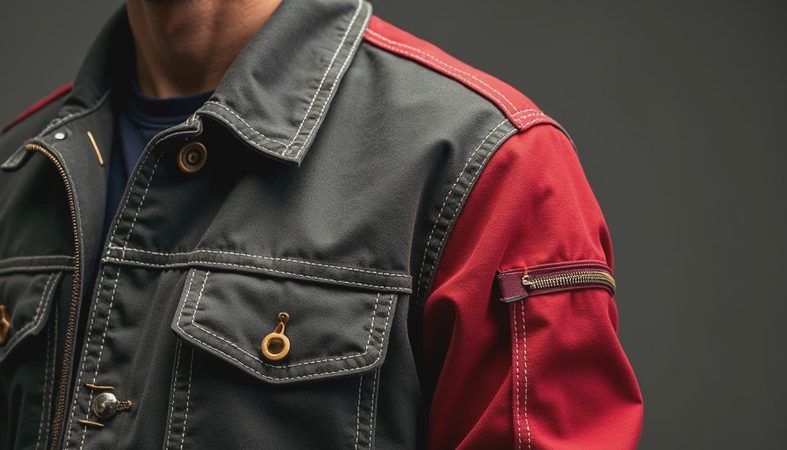
September heat in Montana will show you fast whether a coat was built for work or for a catalog. I have seen turnout gear look solid on a rack and fall apart once the calls start stacking up: cuffs fray, trim peels, knees bag out, and the inside gets soggy enough to drag your shoulders down by midnight. Around a live structure fire, you do not get points for looking squared away. You get judged by how the suit handles heat, water, smoke, grit, and eight hours of crawling, lifting, and getting knocked around.
What good turnout gear has to do before you ever notice it
Good turnout gear starts with the stuff you never see at a glance: the outer shell, the moisture barrier, and the thermal liner working as one system. The shell takes abrasion. The barrier blocks water and some nasty runoff. The liner holds the heat back long enough for you to do your job. If one layer is cheap, the whole package tells on itself. I look for reinforced knees, solid suspenders, strong hook-and-loop, and seams that stay flat instead of rolling after a few washes. Lion, Globe, Morning Pride, and Fire-Dex all make sets you will see in the wild, but the brand name is not the point. Fit, construction, and repair support are the point.
A new set of structural fire clothing usually lands in the $2,000 to $4,000 range for coat and pants, and custom sizing can push that higher. That is not small money on a crew budget, so I want to know exactly what I am paying for before it hits the truck.
How turnout gear should fit under a real load
Fit is where a lot of buyers get fooled. A coat that feels fine standing up can pinch the shoulders when you pull hose over a rail, and pants that look roomy in the bay can bind once the suspenders are loaded and your boots are laced tight. Turnout gear should let you crouch, climb, and reach without exposing your wrists or lower back. I want enough room for base layers in cold weather, but not so much bagginess that the fabric snags on ladders, door hardware, or brush.
Try it on with the layers you actually wear. Bend, kneel, twist, and reach overhead. Check the throat tab, collar gap, sleeve length, and cuff overlap with your gloves. If the hem rides up or the crotch pulls hard when you step up, keep looking. Bad fit is not a comfort issue only. It slows you down and makes you tired faster.
What I look for when I put it in service
The first week tells the truth. I watch the drag when the coat gets wet, the way the reflective trim holds up after being scraped through concrete dust, and whether the closure hardware still works with dirty gloves on. Zippers, snaps, and hook-and-loop need to be easy to use when your hands are smoked out and shaking. A smooth liner matters too, because a rough inside chews up base layers and skin after a long shift.
This is also where repairs show their value. A good shop can swap cuffs, patch a small tear, or replace trim without turning the whole set into a landfill job. That is worth something when the rest of the garment is still solid. The barrel does not care what the sales brochure promised; it cares whether the fabric, stitching, and hardware keep their word under heat and abuse.
Cleaning, drying, and the mistakes that ruin it early
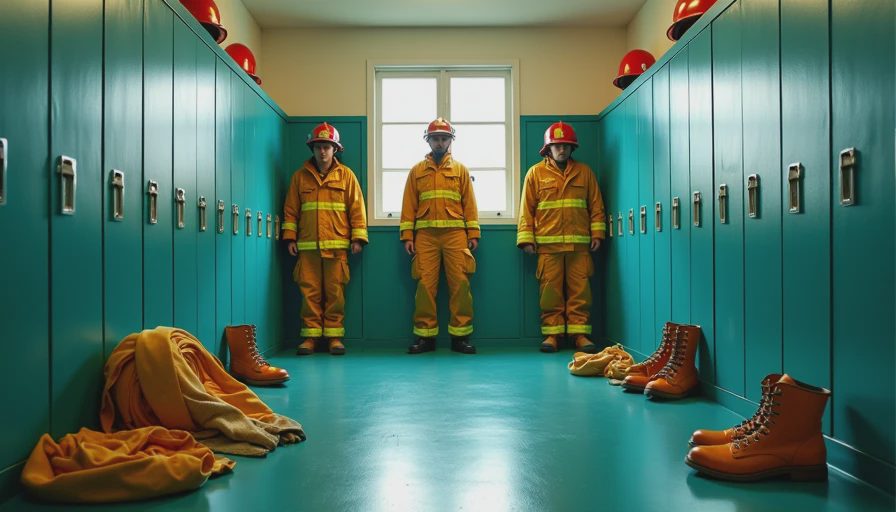
Most gear gets wrecked by bad habits, not by one big failure. Leave it wet in a trunk, and you invite mildew plus a stink that never fully leaves. Blast it with too much heat, and you can shorten the life of coatings, liners, and trim. Use the wrong detergent, and you can leave residue that changes how the fabric sheds water and smoke. Follow the department or manufacturer cleaning process, and keep contamination from living in the fibers longer than it has to.
I also want a separate routine for anything exposed to heavy smoke, diesel soot, or hydraulic fluid. When a set comes back from a hard shift, shake it out, inspect the seams, and get it cleaned before the grime gets baked in. If you are buying for a volunteer house or a small department, this is where the cheap answer usually costs more later. Good care can add years. Lazy care can kill a good set in one season.
When to repair and when to retire it
There is a line between honest wear and gear that is done. Loose stitching along a cuff or a pocket can be repaired. A torn outer shell can often be patched. A broken snap or a busted zipper is annoying, but it is not the end of the road. The red flags are deeper: liner delamination, widespread thermal damage, melted trim, contamination that will not wash out, or repeated repairs in the same stress point. Once you start stacking those problems, the set is telling you it is worn out.
If you are comparing repair costs, a minor fix can run under a couple hundred bucks. Replacing a full set can run into the low thousands, and that is before custom sizing or extras. That is why inspection matters. Every month, I want eyes on the seams, knees, elbows, and collar. If a set of turnout gear keeps needing the same patch, it is probably past its useful life.
The smartest move is boring: buy for fit, inspect like your job depends on it, clean it right, and do not argue with damage you can see. That is the part most people skip because it is not sexy and it does not photograph well. It also keeps you from getting stuck on a scene with gear that quits before you do. Worn in fire. Proven in dirt.