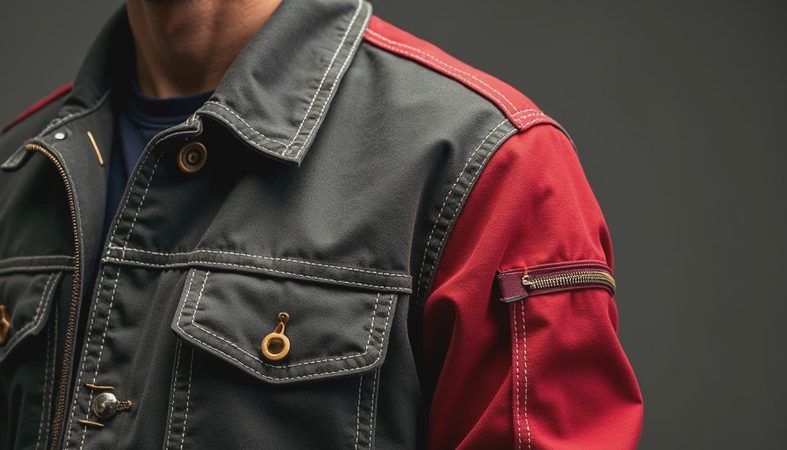
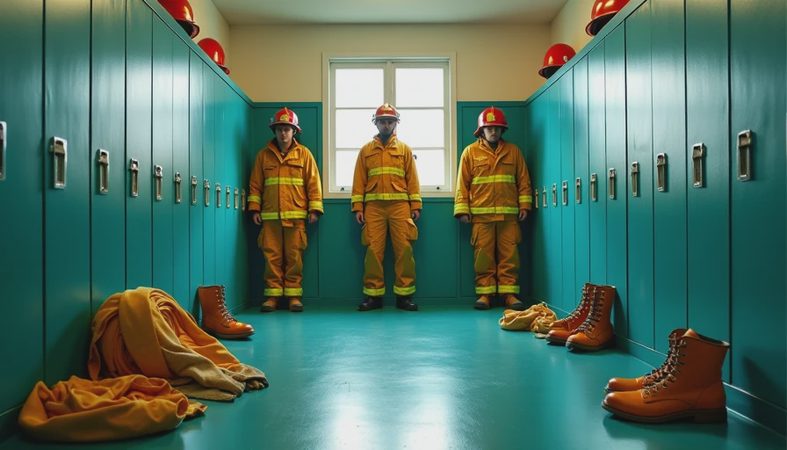
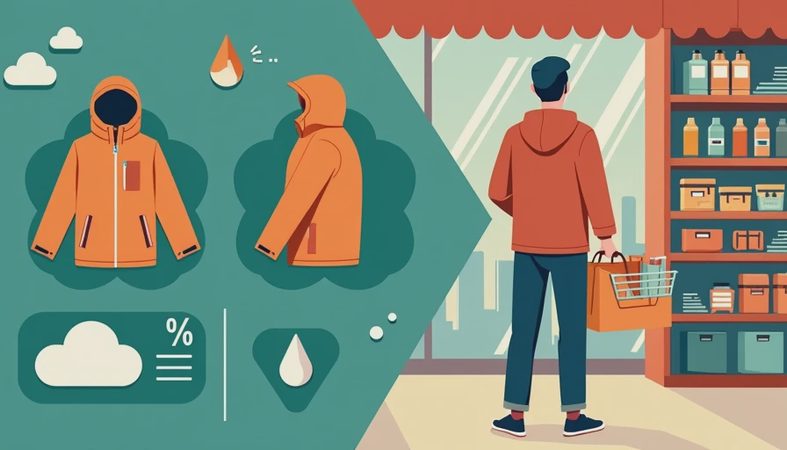
When a crewman types flame resistant clothing near me, he usually needs more than a brand name. He needs the shirt before the next hot job, the pants that pass the foreman's eye, and a tag that proves the cloth will stand up to sparks, flash fire risk, and long days in the truck. Around Missoula, I've seen people waste money on heavy cotton that looked rugged but had no FR rating, and I've seen guys buy the right Bulwark or Ariat piece once and wear it hard for two seasons. The trick is knowing what the rack should tell you before you leave the store.
What a local FR rack should tell you in five minutes
If I'm searching flame resistant clothing near me, I'm not asking which logo is coolest. I'm checking the label, the fit, and whether the shop can explain why the garment belongs in your work zone. For electrical work, look for ASTM F1506 and the arc rating your employer calls for. For flash-fire hazards, NFPA 2112 is the name that matters. In plain English, you want a garment built for the hazard you actually face, not just a shirt that says workwear on the hang tag. In a good store, the clerk can tell you whether the line is inherent FR or treated cotton, and whether the pants have enough rise and inseam to keep the cuffs out of trouble. A bad store just points at the price tag and hopes you do not read the fine print.
Where to look when you need it today
Start with workwear chains, farm and ranch stores, welding supply counters, and industrial uniform shops. In the West, I've found Wrangler FR and Ariat FR in western wear stores, Bulwark in uniform shops, and Carhartt FR in the bigger farm supply aisles. That mix matters because the shelves are not the same. A welding supply house may carry heavier shirts with chest pockets and longer tails. A ranch store may have lighter snap-front options that ride better in a truck. If you need boots, gloves, or a denim shirt that passes the same standard, the local counter can save a second trip. The barrel doesn't lie; it cares whether the garment shrinks, twists, or keeps its seams together after a hard wash.

How to judge fit, fabric, and price before you pay
The best time to sort out flame resistant clothing near me is before the cashier rings you up. Hold the shirt up and check the stitching at the shoulders and cuffs. Bend your elbows. Reach overhead. If the back pulls tight in the middle, it will ride up in the field. If the collar feels like cardboard, you will hate it by noon. For price, a decent FR shirt often runs about $45 to $90, while a sturdier western-cut piece or a premium inherent fabric can land between $80 and $140. Pants usually start around $60 and can push past $150, especially with reinforced knees or extra pockets. Cheap is fine if it actually fits and carries the right label. Expensive is only worth it when you need lighter weight, better breathability, or a cut that lets you climb, kneel, or swing a tool without fighting the cloth.
What to ask the counter guy
Ask whether the store can order tall sizes, women's cuts if needed, or a second color in the same line. Ask if the garment is meant for layering, because a loose shirt over a base layer works better than squeezing into the wrong size. Ask how the fabric handles laundering, because FR gear lives or dies by care. Most of the better brands hold up if you wash them in warm water, skip fabric softener, and dry them like the tag says. Also ask about return policy after trying it in the truck. Some stores will exchange unworn gear in a week; others treat workwear like a final sale. That is the kind of detail that decides whether you keep shopping or walk out with the right set the first time.
When online makes sense and when local wins
Sometimes flame resistant clothing near me turns into a search for a distributor that can ship overnight, and that is fair. If you already know your size, your standard, and the brand that fits your body, online ordering can save time and maybe fifteen to twenty dollars. But if you are switching from summer shirts to colder-weather layers, or you need a tall inseam, the local rack is safer. I have seen too many crews order by chest size alone and end up with sleeves two inches short. That is not a small mistake when sparks, grinder dust, or a hot tailpipe are part of the day. If you are outfitting a whole crew, a local supplier can also match dye lots and keep the same shirt available for reorders, which matters when a superintendent wants a clean look and consistent sizing.
A quick field test from the burn barrel
I judge gear the same way I did on the line: wear it, wash it, move in it, then see what the barrel says. One cheap FR shirt I tested looked fine on the hanger and was miserable after a week. The cuffs frayed early, the fabric felt hot in direct sun, and the pocket stitching was already waving a white flag. A Bulwark shirt in the same size cost more, but it stayed square after repeated washing, and the snaps did not pull when I reached across a saw box. That is the difference between serviceable and barrel-ready. If your job pays tool wages, buy the shirt that survives tool work. If you only need one set for occasional welding or shop use, a mid-priced line from Ariat, Wrangler, or Carhartt can be enough without draining the week's paycheck.
If you are still typing flame resistant clothing near me into your phone, start with the closest workwear counter that stocks real labels, real sizes, and a return policy that is not a trap. Worn in fire. Proven in dirt.