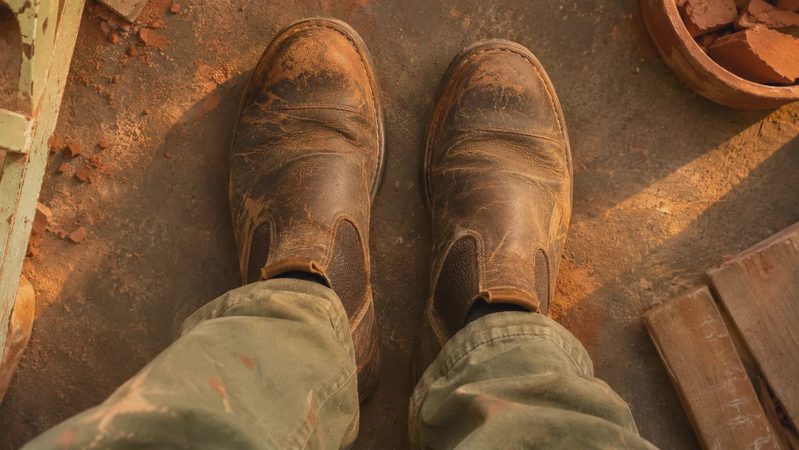
September 2018, Sawtooth Complex, hour 11. My socks were wet, my heels were hot, and every step through the burned slash pile tried to pull a boot off my foot. That is the sort of day that tells you more than a catalog page. The red wing irish setter line has earned a place in plenty of work trucks, but the real question is whether these boots hold together when the ground turns ugly.
Irish Setter is a Red Wing brand built around hunting, work, and outdoor boots. The lineup includes waterproof leather models, logger-style boots, wedge soles, and safety-toe options. They are not all built for the same job. A boot that feels fine on a Saturday hunt can be the wrong tool for concrete floors, climbing ladders, or long shifts around heavy equipment.
What the Red Wing Irish Setter line does well
The first strength is variety. You can find a relatively light boot for trail miles, a structured work boot with a safety toe, or a taller logger boot with more ankle support. That matters because foot protection is not one-size-fits-all. A surveyor walking steep ground needs a different platform than a mechanic standing on concrete for ten hours.
The leather generally arrives stiff but not board-hard. Give it several short wears before taking a new pair on a full shift. I use a thin coat of leather conditioner on dry areas, but I do not soak a new boot in oil. Too much conditioner can soften the upper before the footbed and heel counter have settled, leaving the boot feeling sloppy.
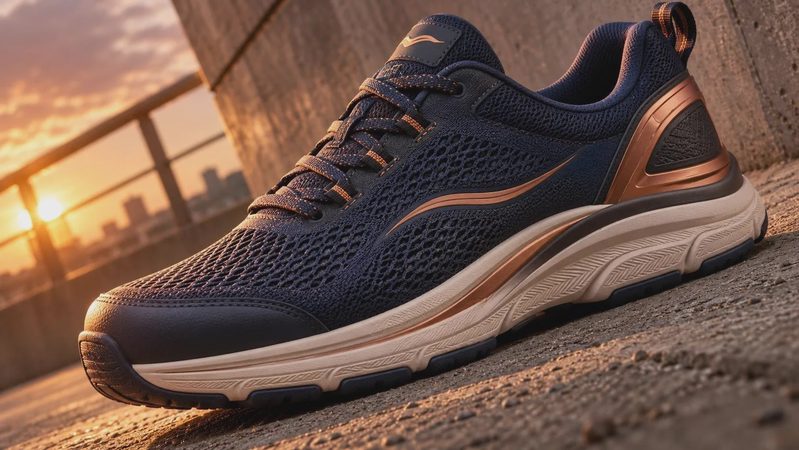
Traction is another strong point. The lugged outsoles on outdoor-oriented models bite well in loose dirt, pine needles, and wet grass. They are less pleasant on polished concrete, where aggressive lugs can feel tall and unstable. Wedge-style soles are better for indoor work and smooth floors, while deep lugs make more sense on timber, rock, and muddy access roads.

Fit, break-in, and safety features
Fit decides whether a boot becomes equipment or an expensive closet ornament. I normally start with my measured size, then test the boot with the socks I will actually wear. Thick winter socks can take up enough room to change the correct size. The heel should stay planted without crushing the toes, and the widest part of the foot should sit over the broadest part of the sole.
The red wing irish setter fit often feels generous through the forefoot, which helps workers with wider feet. That extra room is useful after a long day, when feet swell, but it can create trouble if the heel is not locked down. Lace the lower eyelets firmly, then snug the ankle area without cutting off circulation. If the heel still lifts noticeably after the leather breaks in, a different size or insert is a better answer than hoping the boot changes shape.
Safety-toe models add protection against impact and compression, but they are not magic armor. A steel toe can feel colder in winter and heavier over long distances. Composite toes reduce that cold-transfer problem and usually weigh less, though the boot may cost more. Check the actual marking on the boot and match it to your employer's requirements rather than assuming every Irish Setter work boot has the same rating.
Waterproof membranes help in wet grass, shallow puddles, and ordinary rain. They do not make a boot immune to water. Water comes over the collar, through damaged leather, or around a badly sealed tongue. Dry boots slowly at room temperature, remove the insoles, and avoid setting them against a woodstove or heater. Direct heat can shrink leather and weaken adhesives.
How they perform on real work
I judge the red wing irish setter range by three things: foot fatigue, outsole security, and how the upper handles abuse. On a mixed day of trail maintenance, a good pair should let me walk several miles without hot spots, then kneel, climb, and carry a load without folding at the ankle. The best models in the range manage that balance better than many soft, casual work boots.
The drawback is weight. A waterproof safety-toe boot with a tall shaft and heavy lugs is not going to feel nimble. You notice it on a ten-mile patrol or when climbing in and out of a truck fifty times. That weight buys protection and support, but it should be spent where the job needs it. For light-duty warehouse work, a lower and lighter boot is usually the smarter purchase.
Durability depends on use and maintenance. Expect the first visible wear at the flex point, heel edge, and outsole lugs. On abrasive rock, the leather will show scratches quickly. That is normal. A split welt, loose eyelet, or delaminating sole is different and should not be excused as character. Keep the boot clean, brush out grit, and address small stitching problems before they become a wide-open seam.

Choosing the right model for the job
For construction, utility work, and equipment yards, prioritize a safety toe, stable heel, and outsole that matches the surface. A six-inch boot is easier to move in, while an eight-inch boot gives more ankle coverage and helps keep debris out. If you spend most of the shift indoors, avoid choosing the deepest lug pattern simply because it looks tougher.
For hunting and backcountry work, prioritize waterproofing, traction, and weight. A boot with moderate insulation can be useful during stationary glassing but miserable during a warm uphill climb. Consider your activity level and climate honestly. In western Montana, I would rather carry warmer socks than wear an over-insulated boot on a steep September hike.
For trail crews and outdoor labor, the red wing irish setter choice should favor a supportive footbed and replaceable or durable outsole. Walk on an incline before buying if you can. A boot that feels comfortable on a store's flat floor can press hard against the toes when descending. Try stairs, kneeling, and a few deep knee bends. Boots are work tools; test them in work positions.
Price, value, and maintenance
Irish Setter boots commonly sit in the midrange to upper-midrange of the work-boot market, with prices changing by model, safety features, and construction. You are paying for leather, hardware, a serious outsole, and a brand with a long connection to Red Wing footwear. That does not make every model a bargain. A boot that does not match your job is overpriced at any number.
The best value comes from wearing the right pair often. Rotate boots when possible, let wet footwear dry completely, and replace worn insoles before the upper is finished. Use clean laces, brush away salt, and condition the leather when it looks dry rather than on a calendar. These small habits protect comfort as much as appearance.
My Fire Line Scale rating for the better work and outdoor models is Serviceable to Battle-Tested, depending on the exact boot. I would trust the right pair for trail work, ranch chores, long walks, and hard shop duty. I would not call them wildland fire boots unless the specific model and job requirements support that use; ordinary leather work boots are not a substitute for purpose-built fire footwear.
The red wing irish setter lineup is worth a close look when you need a real work boot rather than a fashion boot wearing a lug sole. Measure carefully, choose the outsole for your ground, and give the leather time to settle before judging it. If the boot fits your work, it can deliver years of useful miles. If it does not, no amount of brand loyalty will save your feet.
Worn in fire. Proven in dirt.