Insulated work boots are the first thing I pack when the forecast drops below freezing and I'm heading into the timber. I learned that lesson the hard way back in September on the Sawtooth Complex, hour eleven, when a cold front rolled in and my feet went numb inside a pair of boots that had no business being on a mountain that late in the season. Since then I've tested a lot of insulated work boots on real fire lines, in trail mud, and eventually in the burn barrel out behind my shop. The barrel doesn't lie. Neither do frostbitten toes.
Why Insulation Matters More Than a Thick Sock
Your average wool sock only buys you so much. When the ground is frozen and you're standing still on a saw deck, the cold comes up through the sole and wraps around your foot. That's where insulation earns its keep. Most insulated work boots use a synthetic fill like Thinsulate or a felt liner. Some use a waterproof membrane that traps warmth by keeping moisture out. The real question is how much warmth you need for your shift. I've worn boots with 400 grams of insulation for early-season work and heavier 800-gram boots for winter trail work. The trade-off is bulk. More insulation means less feel for the ground, which matters when you're walking on a slick log or a rocky hillside with a saw in your hands. There's no universal answer. You match the boot to the work.
What I Tested in the Field
We'll get to the specific gear in a minute, but first let me explain how I test. I don't unbox insulated work boots in a heated studio. I wear them for at least three full shifts or thirty trail miles. This season I ran boots from Red Wing, Danner, Keen, and Georgia Boot through a Montana winter, a spring thaw in the Bitterroot, and a week of chain saw work at twenty degrees. Each pair got the same drill: standing in frozen creek crossings, hiking ridgelines with a forty-pound pack, and hours of slow work on a saw line where your feet sweat and then freeze the minute you stop. I also pay attention to how the lace hardware holds up. If an eyelet pulls out in the field, the whole boot is a liability.
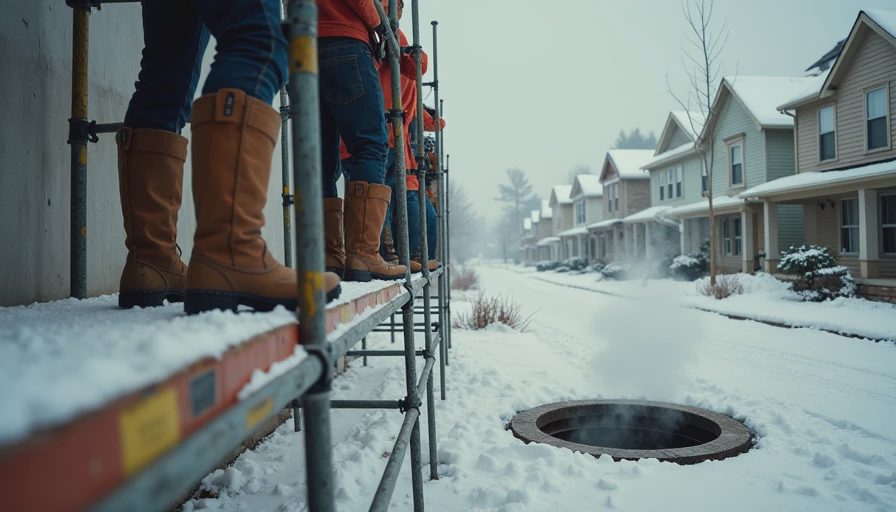
The Three Things That Separate a Good Insulated Boot From a Bad One
After a season of testing, three things separate the boots I trust from the boots I leave in the truck. Fit is the first. Insulation eats up room, so a boot that fits in the store can feel like a vise after two miles. Buy boots with enough room to wiggle your toes and wear the same socks you'll wear on the job. Second is the sole. A winter boot with a slick casual sole is a fall waiting to happen. Look for deep lugs and a rubber compound that stays flexible in the cold. Third is how the insulation is anchored. Cheap boots let the liner shift around inside the shell, which creates cold spots and wrinkles that rub blisters. A good boot has the liner sewn in place so it moves with your foot, not against it.
The Burn Barrel Doesn't Lie
Once a boot has earned its keep in the field, it gets one last test. I build a small fire in the 55-gallon barrel out back, set the boot a few feet away, and watch how it behaves. The barrel doesn't lie. The best insulated work boots in my lineup barely crackle and hold their shape. Inferior ones ooze glue, warp the toe, or turn the lining into a waxy mess. It sounds harsh, but a boot that fails a backyard fire test is not a boot you want anywhere near a real fire line. You also want to look at what happens when the insulation gets wet. Some boots soak up water like a sponge and then take three days to dry. That's dangerous in cold weather because wet feet lose heat fast. A reliable pair sheds moisture and dries overnight by the wood stove.
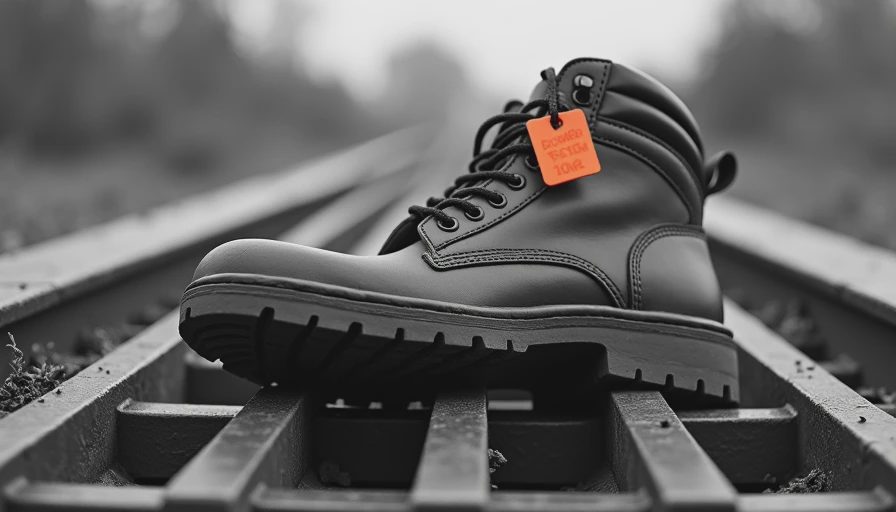
How to Break In and Maintain Insulated Work Boots
Break-in starts at home, not on the fire line. Wear new insulated work boots around the yard for a week before you trust them on a twelve-hour shift. If a hot spot develops, address it early. A pad on the heel or a different sock can make or break a boot. Once they're broken in, maintenance is straightforward. Knock the dirt off after each shift. Stuff them with newspaper when they're wet. Never dry them directly in front of a heater, because that cracks leather and melts the foam lining. The insulation is only as good as the shell that protects it. A ripped seam or a punctured waterproof layer will let cold and moisture in. You don't have to baby them, but a few minutes of care keeps insulated work boots functional for years. I've got a pair that's five winters old and still going strong.
Final Verdict: Fire Line Scale
On the Fire Line Scale, here's where I land after a full winter of wear. If you want a boot that handles deep snow and long periods of standing still, the heavier insulated work boots from Red Wing or Danner are worth the money, but you'll pay three hundred dollars or more. If you're on your feet all day in milder cold and you want something that breaks in fast, Keen and Georgia Boot offer solid options in the two hundred dollar range. What matters is matching the boot to the work. No single pair of insulated work boots is perfect for every crew. But a boot that fits well, grips wet ground, and keeps its insulation where it belongs is worth its weight in gold. Worn in fire. Proven in dirt.