When someone asks me for the most comfortable work boots, they usually expect me to name some four-hundred-dollar catalog boot. The truth is, comfort comes from fit, foot shape, and the kind of shift you're about to work. I've burned through a lot of soles — Sawtooth Complex in '18, Bitterroot trail seasons, hotshot style work, ranch chores — and I've settled on a short list of boots that actually feel good after hour ten. So if you're ready to stop guessing at the store and want the most comfortable work boots for your money, keep reading.
What Makes a Boot Comfortable Past Hour Ten
Comfort is not the same as a thick pillow under your heel. A boot that feels soft in the showroom can leave you flat-footed or rolling ankles by the time you hit a rocky slope. The things that matter are the last (foot-shaped not narrow), the outsole (wedge soles spread pressure), the insole (should support your arch, not just conform), and the break-in period. A good work boot should fit your foot with a solid heel lock, a little room for toes, and enough stiffness in the shank to protect you from roots and ladder rungs.
A wedge sole is one reason guys swear by Thorogood and a few Red Wing models. A flat wedge puts the whole sole on the ground, so your foot stays level, and that cuts down on foot fatigue on concrete, rock, and heat. Heel boots are better for steep uneven ground, but for long days on even dirt, the wedge is the king. Most of the best work boots I've worn have a wedge sole.
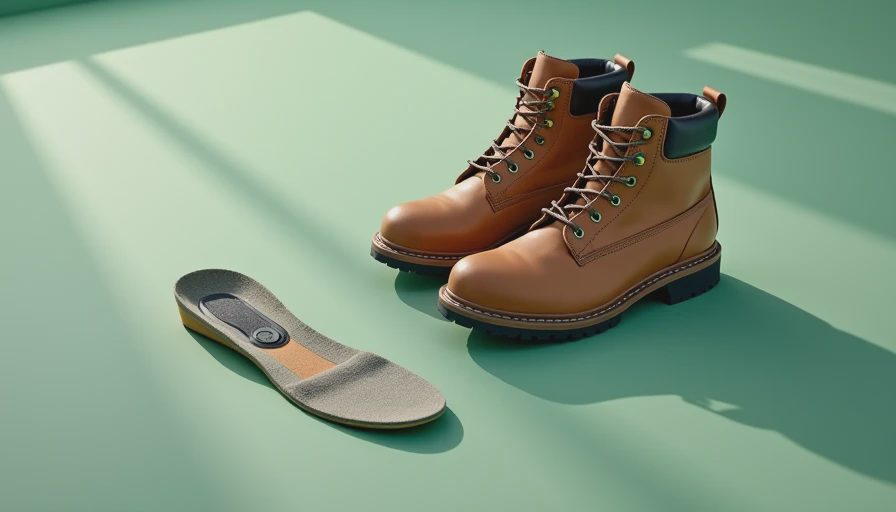
The Most Comfortable Work Boots I Recommend
Over the last 15 seasons, three models keep earning their seams:
Thorogood American Heritage 6-inch wedge. This is the first boot I'd grab for a long day on a fire line. The upper is oil-tanned leather, the wedge sole grips dry ground, and the break-in is genuinely short — usually a week of light days. At around $215 to $240, it's a fair price, and the American-made stitchdown construction means it can be resoled once the outsole wears. The footbed is comfortable out of the box, and after 200 miles it molds to your foot without going soft.
Red Wing Super Sole 2.0. Red Wing has been the standard on crews for decades, but the older boot models need a brutal break-in. The Super Sole line improves on that. The sole absorbs shock from hard landings, and the wide toe box keeps your toes from going numb on a long hike. Expect to pay between $300 and $380. It's more than the Thorogood, but the traction on loose rock and the thicker leather mean a longer service life. If you fight with a high arch, this boot supports it without rubbing.
Keen Cincinnati. Keen is the sneaker shoe among the work boots, and that's not an insult. The Cincinnati style has a composite toe and a wide foot shape, so guys with wide feet or flat feet get relief where most boots squeeze. It's also waterproof out of the box—good for spring snow or early mornings in the wet grass. It goes for $180 to $220, which makes it the best budget option on this list. It won't hold up to a decade of abuse like a Red Wing, but for most trades it's comfortable from day one.

There are other good boots from Carolina and Georgia Boot, but those are the three I trust. I won't list a boot I haven't worn through mud and smoke and called ready to go again the next morning.
How I Test a Boot Before I Put My Name on It
When I say a boot is the most comfortable work boots I've found, I mean a boot has survived a full season, not a press release. My field test is simple: I wear a new pair for at least 30 trail miles and three full shifts. If the seams split, the sole edges start to peel, or the heel cups break down, it goes into the barrel. The barrel doesn't lie.
I also take apart old boots at the end of the season to see where the glue held and where the stitching failed. That's how I know that a little extra spend on a stitchdown construction usually pays off when the boots get time to age.
Break-In Rules That Save Your Feet
Even the best boots need a few days to settle in. Don't take my word for it — put them on in the evening around the house, wear the same socks you'll wear on the job, and do a couple of light three-hour days before you carry anything heavy. Apply a leather conditioner to the main crease points, but don't soak the boot. If a heel feels loose from the start, get a smaller size or try a heel lock lacing pattern. A boot that is too big is never more comfortable than a boot that fits.
Good wool socks matter as much as the boot. A pair of thick merino socks absorbs moisture and keeps your feet from slipping against the heel cup. If you are on concrete all day, drop in a supportive insole. The stock insole in most boots is a thin slab, and a $40 insole from Superfeet or PowerStep will do more for your feet than a $400 boot with a bad fit.
The most comfortable work boots for your feet won't be the same for every person on your crew. It comes down to foot shape, job, and budget. My crew’s boots ranged from $180 to $360, and we all had different answers. So try them on, put them to work, and if they fail, the barrel is waiting. Worn in fire. Proven in dirt.