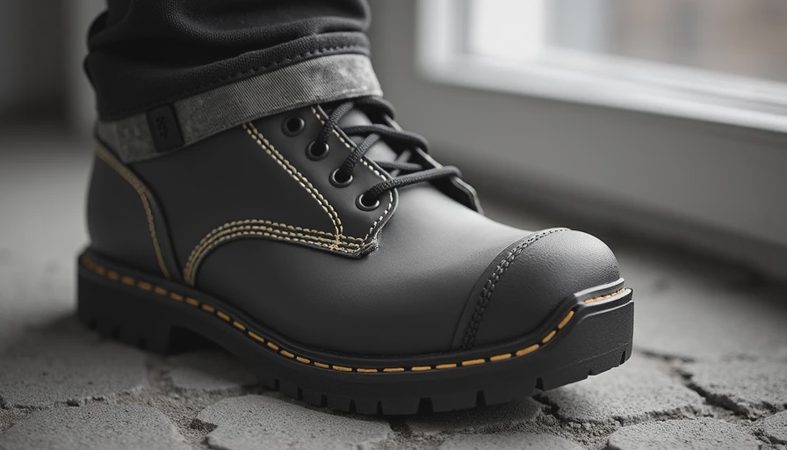
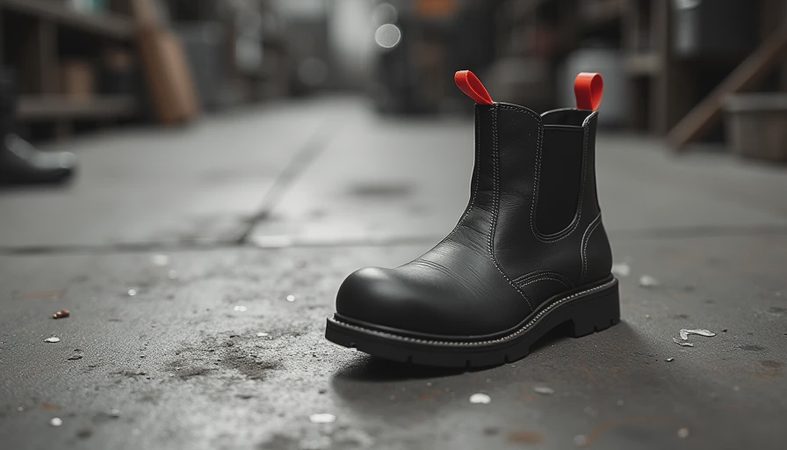
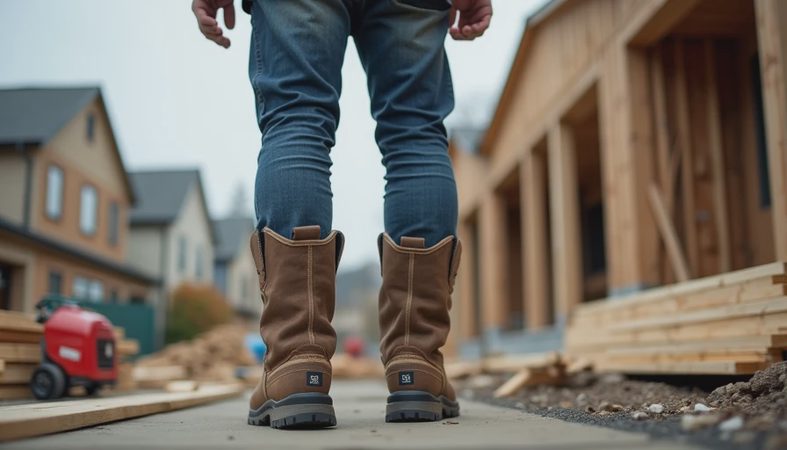
September 2018, Sawtooth Complex, hour 11: my feet were wet, my socks were working overtime, and every downhill step pushed my toes into the front of my boots. That is the kind of day that tells you whether haix boots are built for work or just polished for a catalog. I have worn several pairs through burned slopes, wet timber, trail patrols, and long shifts where sitting down was not part of the plan.
Haix is a German boot company with a strong reputation among firefighters, law enforcement personnel, and outdoor workers. The line includes everything from station footwear to serious wildland models. That variety matters. A boot made for walking across a concrete station floor is not automatically suitable for hot ash, loose rock, or a twelve-hour saw line. Here is what I look for before trusting a pair.
What Makes Haix Boots Different
The first thing you notice is structure. Haix boots generally feel more supportive than a casual hiking boot, with firm uppers, substantial heel counters, and soles designed for controlled footing rather than soft comfort. That stiffness is useful when carrying a saw, hauling hose, or traversing a side slope, but it also demands a proper break-in period.
Many haix boots use waterproof membranes, moisture-managing linings, and durable leather or synthetic upper materials. Those features can keep morning dew and shallow creek crossings from soaking your socks. They do not make a boot immune to standing water. Once water comes over the collar, the membrane is no longer the main defense, and drying becomes a real job.
The outsole design is another strong point. Haix models often have aggressive tread with defined edges for loose dirt and uneven ground. On hard, smooth floors, that tread can feel less natural than a lightweight work sneaker. In scree, mud, and duff, it earns its keep. The barrel does not lie, but neither does a steep slope covered in pine needles.
Fit, Break-In, and Sizing
Do not order haix boots based on your normal sneaker size and assume the job is finished. Measure both feet at the end of the day, when they are largest, and wear the socks you expect to use on shift. Fire socks, thick wool socks, and moisture-control liners can change the fit by a noticeable amount.
The toe box should allow your toes to move without letting your foot slide forward on a descent. I use the staircase test: lace the boots firmly, walk down several flights, and check whether your toes strike the front. If they do, a larger size may not solve the problem. You may need a different width or a model with a roomier shape.
Break-in usually takes several short walks rather than one heroic weekend. Start with two hours around town, then a five-mile trail, then a longer workday. Pay attention to the flex point behind the toes, the top edge of the cuff, and the heel. A hot spot that is ignored in the shop can become a torn blister after eight miles.
Which Work Are They Built For?
For station crews and urban response, the Airpower family offers a practical mix of protection, water resistance, and all-day support. Some versions are built with quick-lacing systems and smooth, easy-clean uppers. Those features save time when a crew is moving between calls, but they are not a substitute for a boot rated for the hazards of wildland firefighting.
For trail work, hunting, ranch chores, and general outdoor labor, haix boots can be a good middle ground between a logger boot and a hiking boot. They provide more ankle control than most trail shoes without always feeling as tall and rigid as a full logger. The tradeoff is weight. A sturdy pair in the $200 to $350 range will not disappear on your feet.
Wildland crews need to read the specifications closely. Look for the appropriate heat, sole, construction, and puncture or protective requirements for the work. A black leather boot with a firefighter logo is not automatically a wildland boot. The Haix Missoula line, for example, is aimed more directly at outdoor and wildland use than many station-oriented options, but the exact model and certification details still matter.
Traction, Heat, and Waterproofing in the Field
Traction is where haix boots have made the strongest case for themselves in my testing. On dry granite and packed dirt, the sole gives a confident edge. In wet clay, no boot performs miracles, but the lug pattern clears mud better than the shallow tread on many everyday work boots. I still shorten my stride on a side hill. Good footwear reduces risk; it does not repeal gravity.
Heat management is more complicated. A waterproof boot can feel warm during a summer patrol, especially when paired with heavy socks. That is the price of keeping water out. For hot, dry work, choose socks that move moisture and avoid cotton. For shoulder seasons, the extra barrier is often welcome.
The leather and stitching need routine care. Brush off grit, let the boots dry away from direct heat, and use a manufacturer-compatible conditioner. Do not put wet boots beside a roaring stove or in a truck bed under full sun. Excessive heat can shrink leather, harden adhesives, and damage the fit you paid for.
How They Compare With Other Work Boots
Compared with a standard hiking boot, haix boots usually offer more protection, firmer support, and better durability under a heavy load. Compared with a traditional logger boot, they can feel easier to walk in and less punishing on long approaches. The compromise sits in the middle: they are not the lightest option and they are not always the most protective option for specialized saw work.
Brands such as Danner, Crispi, and Kenetrek also make serious outdoor footwear. Danner often gives buyers a broad work and uniform lineup, while Crispi and Kenetrek are known for hunting and mountain-oriented designs. Haix stands out when duty-style construction, waterproofing, and a firefighter-oriented fit are priorities. The right choice depends on your terrain, load, and required certification rather than the logo on the tongue.
Price is worth discussing plainly. A pair around $250 can make sense if it lasts multiple seasons and keeps your feet stable through long shifts. It makes less sense if the fit creates blisters or the boot sits unused because it is too heavy. Comfort is not a luxury when your feet are carrying every tool, pack, and bad decision uphill.
Care Before the Next Shift
At the end of each workday, remove the insole and open the laces so air can reach the interior. Knock dried mud from the outsole with a stiff nylon brush. Inspect the welt, stitching, lace hardware, and heel edge. If the sole begins separating, stop treating the boot like it is still waterproof and get it repaired or replaced.
Rotate pairs when possible. Two pairs of haix boots allowed to dry fully will usually serve better than one pair worn wet every day. Carry spare laces in the truck, because a broken lace is cheap to fix but irritating when the nearest supply box is twenty miles away.
My Fire Line Scale rating for the better outdoor-oriented models is Battle-Tested, provided the model matches the assignment and the fit is right. Station models are Serviceable for their intended use, but I would not send them into every burned slope. Haix boots are not magic, and they are not light slippers. They are structured tools that reward careful sizing, gradual break-in, and regular maintenance.
If your work involves steep ground, wet weather, heavy packs, or long hours on hard feet, start by identifying the hazard before comparing colors or sale prices. Then choose the Haix model designed for that job, wear it around town, and test it on real terrain before the season gets busy. Worn in fire. Proven in dirt.