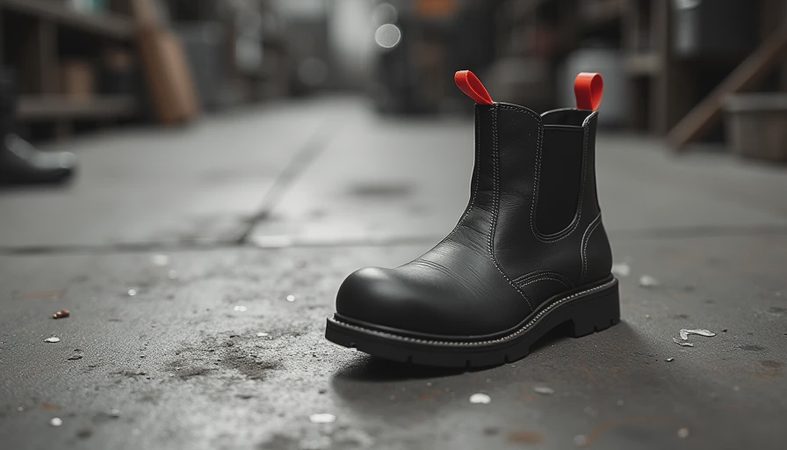
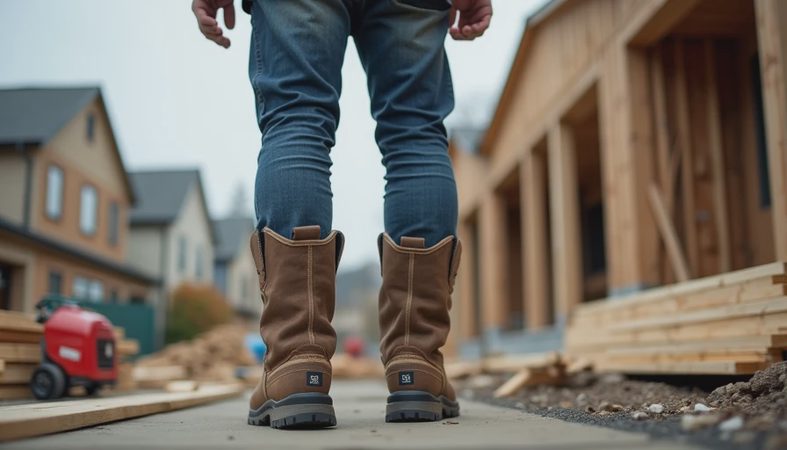
The composite toe vs steel toe question usually shows up after a long shift, when your boots feel like two cinder blocks strapped to your feet. I have spent enough hours on fire roads, trail crews, and construction sites to know that toe protection is not a small detail. The wrong cap can make a cold morning miserable, turn a ladder climb into a chore, or fail to fit the shape of your foot. Here is the straight briefing before you spend $150 to $300 on a pair.
What the toe caps actually do
Both safety toes are designed to protect your feet from impact and compression. A falling tool, a stack of pipe, or a rolling equipment part is the problem they are built to address. In the United States, look for footwear marked to the ASTM F2413 protective footwear standard. That marking matters more than a flashy product name. A boot labeled merely as reinforced, alloy, or work-ready has not necessarily passed the same tests.
Steel is the old standard because it is tough, widely available, and usually less expensive. A steel cap can survive years of abuse when the boot around it is built well. Composite caps use materials such as carbon fiber, fiberglass, Kevlar, or molded plastic. They are not one single material, so performance varies by design. The safety rating on the boot tells you more than the word composite on the box.
In a direct composite toe vs steel toe comparison, neither option automatically wins every job. The better choice depends on temperature, weight, electrical requirements, security screening, and how the boot fits your foot.
Weight, cold, and a full day on your feet
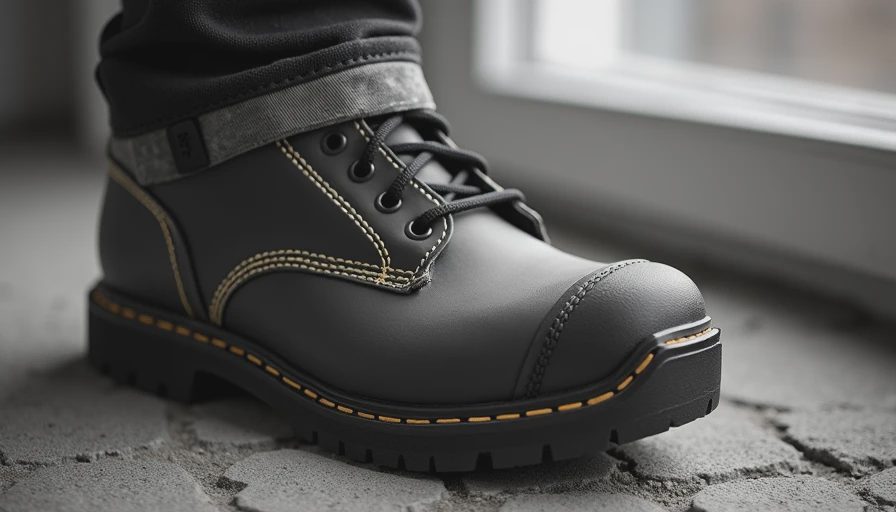
The biggest practical advantage in the composite toe vs steel toe debate is usually weight. Composite caps are often lighter, and that difference becomes noticeable after eight or ten hours of walking. It is not just comfort. Less weight at the end of your legs can reduce fatigue when you are climbing stairs, crossing uneven ground, or carrying a saw and pack into a remote work site.
Steel has a different weakness: temperature transfer. Leave a steel-toe boot in a truck overnight at 10 degrees and the cap will help pull cold into the front of the boot. Composite material generally does a better job of reducing that sensation. It is not a heated boot, and the insulation, socks, and boot construction still matter, but the front of your foot is less likely to feel like it is pressed against a frozen shovel.
For summer work, the weight advantage can still help, although ventilation comes from the upper and lining rather than the toe cap. A Keen Utility or Timberland PRO composite model can feel easier during repeated ladder work, while a traditional steel-toe Thorogood often brings a sturdier, more planted feel.
Electrical hazards and metal detectors
Here is where marketing copy causes trouble. A composite toe is nonmetallic, but that does not automatically mean the entire boot is approved for electrical hazard protection. Electrical hazard performance is a separate rating. Check the label and manufacturer specifications instead of assuming the toe material makes the boot safe around live circuits.
The same rule applies to steel. Steel conducts electricity, but a properly rated boot can still provide electrical hazard protection under the conditions covered by its certification. Neither boot protects you from every electrical situation, and wet conditions, damaged soles, and exposed hardware can change the risk quickly. Linemen and electricians should treat the electrical rating as a primary buying requirement, not a bonus feature.
Composite toe boots are useful for workers who pass through metal detectors at airports, courthouses, industrial plants, or secure facilities. They can also make sense for utility crews who want a nonmetallic toe, provided the complete boot meets the required safety standard. Security convenience is useful, but it should never outrank fit and verified protection.
Heat, fire, and the limits of both choices
People often ask about composite toe vs steel toe boots for fireline work. My short answer is that a safety toe is not a wildland firefighting boot. Fireline boots need appropriate leather, construction, outsole performance, and heat resistance for the assignment. A composite toe can be affected by extreme heat, while steel can become painfully hot and transfer heat through the boot. Neither cap turns a standard work boot into fire footwear.
For welding, foundry, asphalt, and other high-heat jobs, follow the requirements set by the employer and boot manufacturer. Look for a boot built for that environment, not simply one with a steel cap. A fire-resistant upper, welt or stitched construction, and a sole suited to hot surfaces matter just as much. The barrel does not lie, and it has a way of exposing materials that looked impressive on a product page.
In ordinary construction, warehouse, farm, and maintenance work, both materials can perform well. The question is whether the entire boot survives your conditions. A composite cap inside a cheap boot does not make that boot durable.
Fit matters more than the label
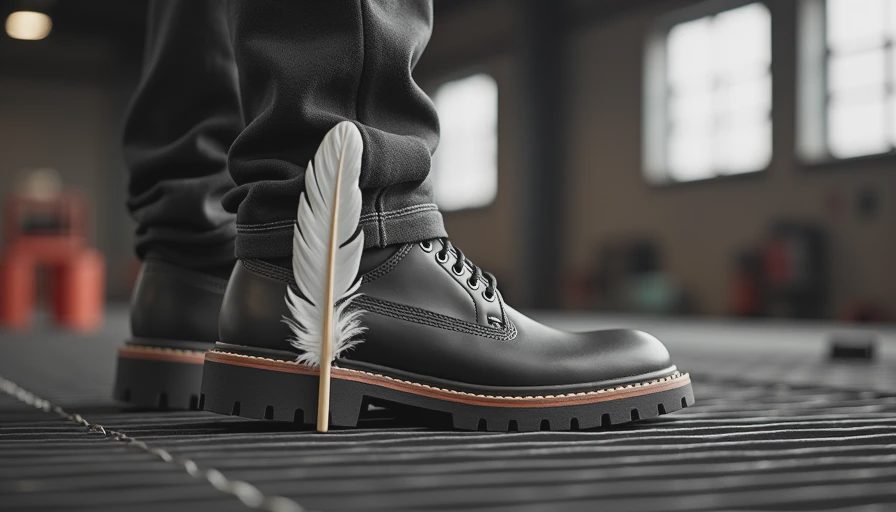
A safety toe should protect your toes without touching them when you stand, walk downhill, or crouch. Try boots on late in the day, when your feet are slightly swollen. Wear the socks you actually use on shift. Leave room in front of the longest toe, but do not compensate for a narrow cap by buying a boot that is too long.
This is another important part of composite toe vs steel toe shopping: caps have different internal shapes. A steel cap in one Red Wing may feel wider than a composite cap in another brand. Keen Utility models often suit people who need a roomier toe box, while some Danner and Timberland PRO designs feel more structured through the front. Brand reputation cannot replace trying on the actual model.
Walk stairs if the store allows it. Kneel, squat, and roll from heel to toe. If the cap presses on your little toe for five minutes, it will be worse after a wet, twelve-hour shift. No amount of break-in fixes a cap that is fundamentally too narrow.
Price, durability, and a practical buying call
Steel-toe boots often offer the lower entry price, with usable models commonly starting around $100 to $160. Better-built pairs from brands such as Thorogood, Red Wing, and Keen Utility can run from roughly $170 to $300. Composite models often cost a little more because of their materials and construction, though sales can erase the difference.
Choose steel when you want proven durability, a lower price, and reliable performance in ordinary industrial work. Choose composite when lower weight, cold-weather comfort, or nonmetallic construction solves a real problem. Do not pay extra merely because composite sounds more advanced. A comfortable steel boot that lasts two seasons is a better tool than a poorly fitting composite boot abandoned in three months.
My composite toe vs steel toe verdict is simple: composite earns the edge for long walking days, cold conditions, and metal-sensitive workplaces. Steel remains the dependable value for rough general work. On the Fire Line Scale, both are Serviceable when correctly rated and properly fitted. The boot earns Battle-Tested status through construction, not the name stamped on the toe.
Before ordering, confirm the ASTM marking, electrical hazard requirement, outsole rating, return policy, and toe-box measurements. Then put the boots on with your real work socks. Your feet will give you a more honest review than any sales brochure. Worn in fire. Proven in dirt.