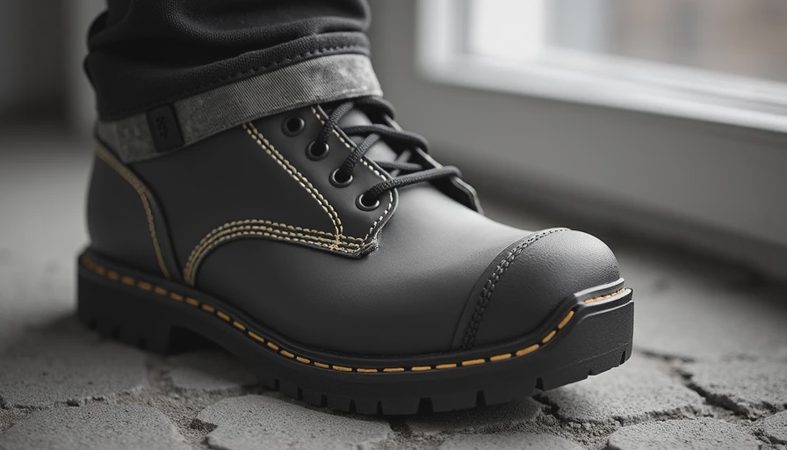
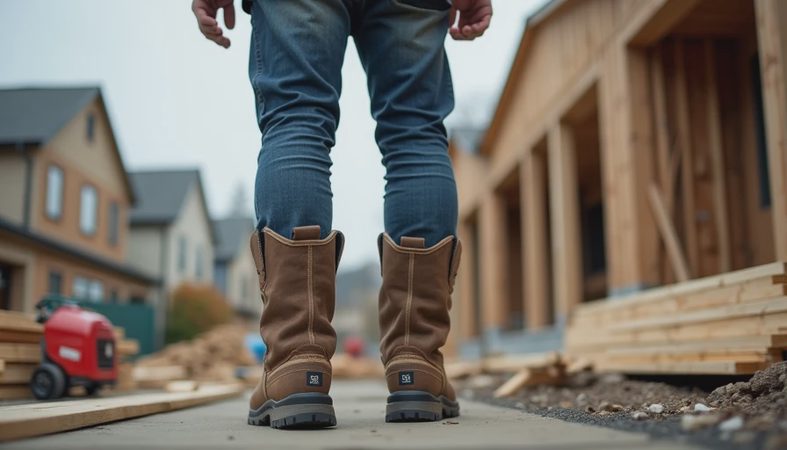
September 2018, Sawtooth Complex, hour 11. My boots were full of dust, my socks were wet through, and every lace knot felt like one more small problem. That is when I started paying serious attention to slip-on work boots. The best slip on work boots should go on quickly, stay planted on uneven ground, and survive a long shift without turning your feet into two sore hams. They also need the right safety features for the job, because convenience is not protection.
A slip-on boot is not automatically better than a lace-up. It is simply a different tool. Ranch hands, mechanics, warehouse workers, electricians, and construction crews often appreciate the fast entry and clean profile. Wildland firefighters should be more cautious: loose-fitting slip-ons are not what I want on steep slopes, and many fire assignments require specific lace-up footwear. Match the boot to the work before you match it to your wallet.
What the best slip on work boots need to do
I start with the outsole. A boot can have a handsome leather upper and still be a liability if the tread packs with clay or slides on wet steel. Look for a rubber outsole with defined lugs, a heel that catches on ladders, and a compound that stays flexible in cold weather. Vibram, Goodyear welted construction, and oil-resistant rubber are useful signs, but none replaces looking closely at the tread pattern.
Next comes the upper. Full-grain leather usually takes longer to break in than suede or synthetic material, but it handles abrasion better and can be conditioned for several seasons. On a job where wet grass and shallow mud are normal, waterproof membranes from brands such as Keen Utility, Wolverine, and Ariat can keep socks dry. They also reduce breathability. In August, that tradeoff is real.
The best slip on work boots should have a stable heel counter, enough room for your toes, and an insole that does not collapse by lunch. A steel toe protects against heavy impact and compression, while a composite toe weighs less and does not conduct cold as quickly. Electrical hazard protection is a separate rating, not a magic promise that a boot makes every electrical task safe. Check the label and your employer's requirements.
Price is another field test. A $90 boot that lasts one wet season costs more over time than a $180 boot that gives you three solid years. That calculation only works if the expensive pair actually fits and holds together. I have seen premium-looking boots split at the flex point before the leather showed meaningful wear. The barrel does not lie, and neither does a muddy jobsite.
Slip-on styles worth considering
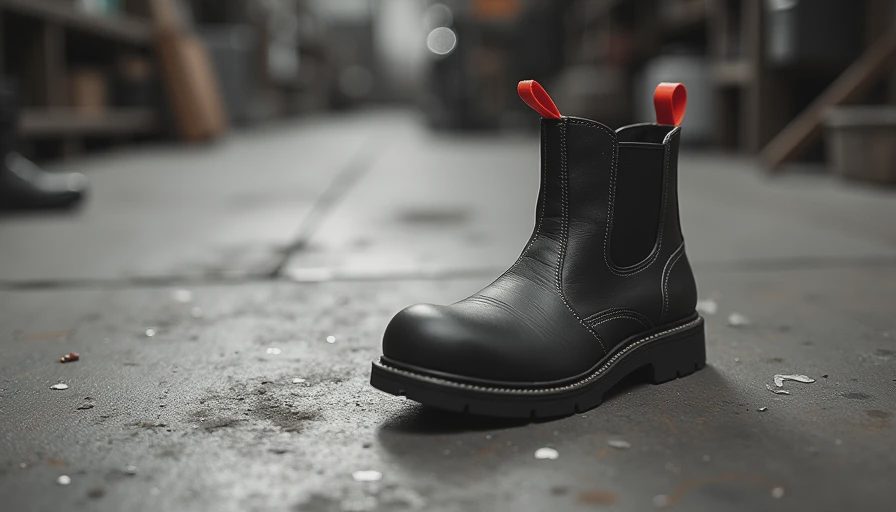
Chelsea-style boots use elastic side panels and a pull tab. They are fast to remove, comfortable for driving, and clean enough for moving between a shop and an office. Blundstone is the familiar name in this category, while Redback and some Ariat models offer a more work-focused feel. Chelsea boots make sense for mechanics, light construction, property maintenance, and ranch chores. They are less convincing when you need aggressive ankle support or a firmly locked heel.
Pull-on western work boots have taller shafts and a more shaped instep. Ariat, Justin, and Georgia Boot make models aimed at oil, ranch, and general work use. The taller shaft helps keep debris out, and the heel can be useful in stirrups or on ladder rungs. The downside is volume: a tall boot takes more effort to pull on, and a poor fit around the instep can create pressure after eight hours.
For the best slip on work boots in a shop or warehouse, consider a low-profile wedge sole. Thorogood and Red Wing offer work boots with cushioned wedge outsoles that feel steady on concrete. They are not ideal in deep mud because the shallow tread can clog, but they reduce the hard heel strike that wears on your knees during a shift spent walking a flat floor.
Fit is where most buying mistakes happen
Try boots on at the end of the day, when your feet have expanded. Wear the work socks you actually use, not thin dress socks from the drawer. Your heel should lift slightly during the first few steps, but it should not rise enough to rub. Your toes need room to spread, and they should not touch the front when you walk downhill.
Slip-on boots depend heavily on the instep for security. If your foot slides forward, a larger size will not solve the problem; it usually creates more heel movement. Try a different width or another last. A removable insole can create extra volume, but it cannot repair a boot with the wrong shape. Spend ten minutes walking, crouching, climbing a stair, and standing still. Those movements reveal more than a quick turn around a store.
The best slip on work boots should feel secure before they are broken in. Leather will soften, but it will not become a different size. Expect some stiffness around the ankle and flex point during the first several shifts. Do not accept numb toes, hot spots, or a heel that blisters in the fitting room. Those issues become worse under load.
Safety features for real work
Toe protection depends on the hazard. Steel toes are common and durable, composite toes are lighter, and aluminum toes offer another lightweight option. None is automatically superior. A boot with an ASTM-rated toe that fits poorly is less useful than a properly fitted boot with the right rating for your workplace.
Look at puncture-resistant plates if nails, scrap, or demolition debris are part of the job. Choose slip-resistant soles for kitchens, maintenance work, and wet concrete. For electrical tasks, find clearly marked electrical hazard protection and follow the job's safety rules. Waterproofing is also practical, but remember that a waterproof boot can still let water in over the shaft or through a damaged tongue area.
For trail work or steep ground, I generally favor a lace-up boot with stronger ankle control over a fast pull-on. That is not a knock on every slip-on; it is a reminder that the terrain decides. The best slip on work boots for a flat shop floor may be the wrong choice on loose rock with a chainsaw in hand.
How to make a pair last
Brush off dirt after each shift, especially around the welt and flex points. Let wet leather dry at room temperature, away from a heater or stove. Direct heat can shrink leather, harden adhesives, and crack the upper. Once the boot is clean and dry, apply a conditioner suited to the leather. Heavy wax can darken the surface and reduce breathability, so use it when weather protection matters more than appearance.
Rotate pairs if your budget allows. Giving a boot a full day to dry helps the lining and footbed recover. Replace worn insoles before the entire boot is finished, and watch the outsole for a smooth heel or bald center tread. A cobbler can often replace a welted sole for roughly $80 to $150, depending on the boot and local labor. A cemented boot may be cheaper to replace than rebuild.
My buying call
For a concrete-floor shift, I would look first at a wedge-sole pull-on or Chelsea with a safety toe and a stable heel. For ranch work, I would prioritize a taller shaft, durable leather, and a heel that will not catch unpredictably. For wet outdoor maintenance, I would spend more on traction and waterproof construction rather than decorative stitching.
The best slip on work boots are the ones that fit securely, match the surface, and still feel useful at hour ten. Do not buy a boot because an online photo makes it look tough. Check the sole, safety rating, instep, stitching, and return policy. Walk before you commit. Then put the pair through three ordinary shifts, not one trip to the mailbox.
My Fire Line Scale rating for a properly fitted, job-matched pair is Battle-Tested. For steep fireline work, choose a compliant lace-up instead. For shop floors, ranch chores, and many maintenance shifts, a good pull-on earns its keep every morning. Worn in fire. Proven in dirt.