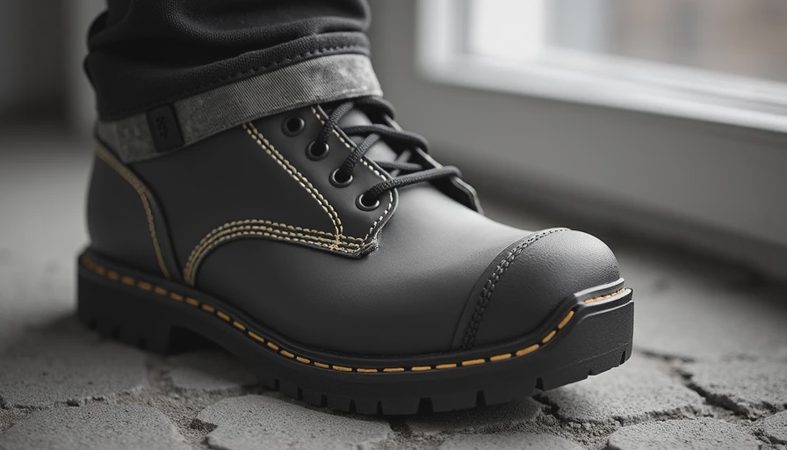
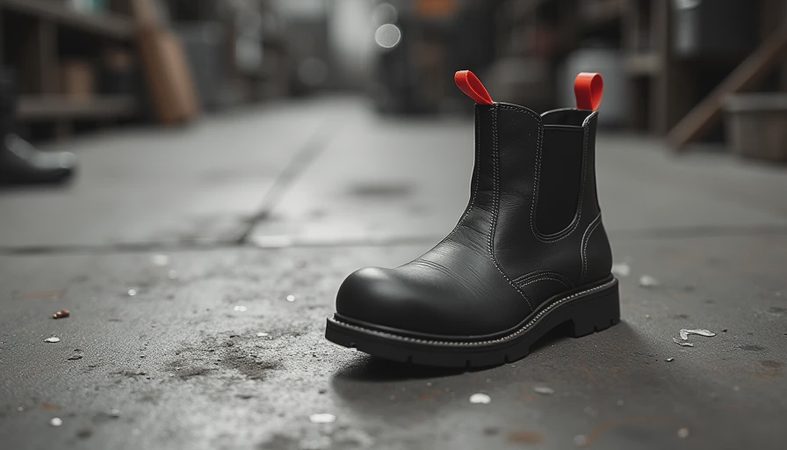
September 2018, Sawtooth Complex, hour 11: my feet were hot, swollen, and angry enough to make every step feel like a nail through the heel. That is when I learned that the best work boots for plantar fasciitis are not simply the softest boots on a store shelf. They need a stable heel, useful arch support, enough room for your toes, and a sole that does not fold under a loaded pack or a full day on concrete.
Plantar fasciitis pain often shows up under the heel or along the bottom of the foot. Long shifts, hard ground, worn-out insoles, and boots that fit poorly can all make it worse. The right pair will not cure an injury, but it can reduce the punishment your feet take during construction, utility, warehouse, ranch, or trail work. If pain is severe or persistent, see a qualified medical professional rather than trying to walk through it.
What makes a work boot easier on plantar fasciitis
Start with the midsole. A boot should absorb impact without feeling like a sponge. Excessively soft foam can compress quickly and leave your heel sitting lower by the end of a shift. I look for a firm platform with moderate cushioning, a defined heel, and an insole that supports the arch without creating a pressure ridge under the middle of the foot.
Heel-to-toe drop also matters. A small raised heel, common in logger and traditional work boots, can reduce the stretch placed on the plantar fascia for some workers. That does not make every tall heel a good choice. Too much lift can reduce stability on slopes and make the boot feel awkward when climbing ladders. The best work boots for plantar fasciitis balance a supportive heel with a sole that stays planted.
The upper should hold your heel without crushing your forefoot. Laces that lock the ankle, a padded collar, and a toe box with usable volume are worth more than decorative stitching. Your toes should not hit the front when walking downhill, and your heel should not lift dramatically with each step. Try boots on at the end of the day, when feet are largest, and wear the socks you actually use at work.
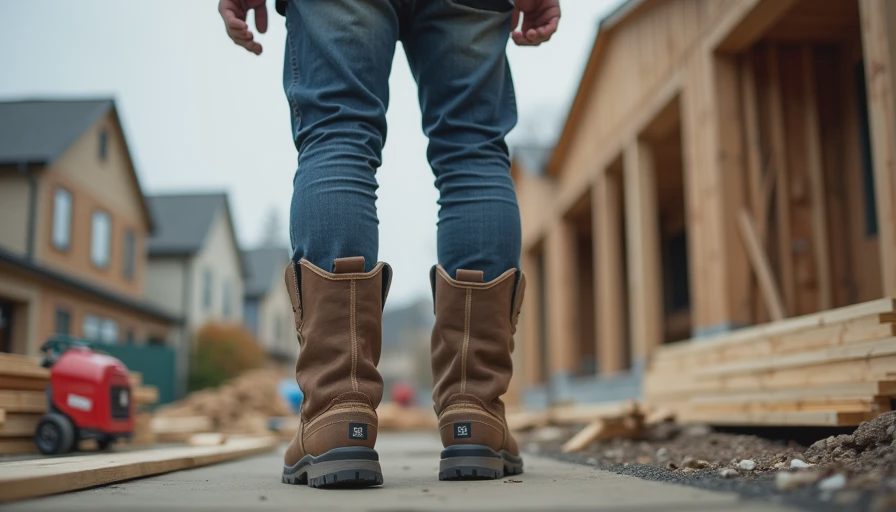
Boot styles worth considering
For concrete-heavy work, a wedge-sole boot can be a sensible starting point. The flat rubber outsole spreads pressure across the foot and usually delivers steady traction on dry floors. Models from Thorogood, Red Wing, and Danner offer several wedge-sole options, often ranging from about $180 to $300. They can feel comfortable during long indoor shifts, but many are less suitable for deep mud, loose rock, or steep hills because the tread is not aggressive.
For outdoor crews, a structured hiking-work boot may be a better fit. Danner Quarry, KEEN Utility Cincinnati, and similar designs combine a defined heel with more pronounced tread. Their midsoles are usually more stable on uneven ground than a soft sneaker-style work boot. Expect roughly $160 to $280, depending on waterproofing, safety toe construction, and materials.
Logger-style boots, including models from Hoffman or White's, provide a taller heel and strong ankle support. They can be excellent on steep terrain, but they are heavier, stiffer, and slower to break in. A pair costing $300 or more is not automatically the best work boots for plantar fasciitis. If the arch shape does not match your foot, a premium boot can still leave you limping at quitting time.
Insoles can change the result
The removable footbed supplied with a boot is only the starting point. A replacement insole can improve support, but it must fit inside the boot without squeezing your toes. Superfeet Green provides a fairly firm heel cup and arch profile. PowerStep Pinnacle offers structured support with more cushioning. Dr. Scholl's work insoles are less expensive and can be useful when you need moderate padding rather than a rigid correction.
Do not stack a new insole on top of the old one. Remove the factory footbed first, then check whether your heel still sits securely and whether the boot has enough overhead room. If your toes go numb, your boot is too shallow or the insole is too thick. Break in the replacement gradually: wear it around the house, then for a short shift, before committing to a 12-hour day.
A good insole should support your foot without forcing it into a new shape. If an insert creates sharp arch pain, stop using it. A podiatrist or qualified foot specialist can help identify whether you need custom orthotics, especially if one foot hurts more than the other.
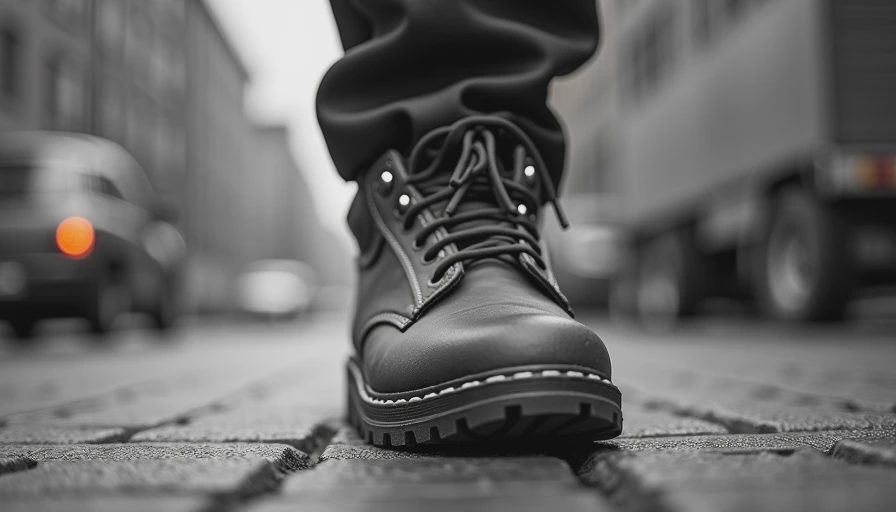
How I judge durability and comfort in the field
Comfort at the store is not the same as comfort at hour ten. I pay attention to heel movement, sole flex, moisture, and how the boot feels after repeated ladder climbs or miles of uneven ground. The best work boots for plantar fasciitis should remain supportive after the foam warms up and after the laces loosen slightly during work.
I also inspect the welt, toe cap, and outsole edges. A boot that peels at the toe after a few weeks is not a bargain, even if it felt comfortable on day one. For wet conditions, waterproof membranes help keep socks dry, but they can make boots warmer and less breathable. In hot weather, a non-waterproof leather boot with proper socks may be more comfortable and easier to dry overnight.
Replace boots when the outsole is uneven, the heel has collapsed, or the midsole feels permanently compressed. Continuing to wear a visibly tilted boot can change how your foot, knee, and hip take impact. That is a cheap repair becoming an expensive problem.
A practical buying process
First, measure both feet while standing. Buy for the larger foot and leave enough space for work socks. Next, walk on a hard floor, climb a step, and crouch. Your heel should stay mostly in place while your toes remain relaxed. Then test the boot with the insole you plan to use. A return policy matters because a boot can feel fine for five minutes and wrong after two hours.
For a warehouse worker, I would start with a supportive wedge sole and a firm aftermarket footbed. For a lineman, trail worker, or ranch hand, I would prioritize ankle control, heel definition, and deeper tread. For wet concrete, choose slip resistance and drainage or drying practicality before chasing maximum softness. These details narrow the field faster than a marketing label.
My field verdict
The best work boots for plantar fasciitis are the pair that keeps your heel stable, your arch supported, and your stride natural through the whole shift. Thorogood-style wedge boots suit many flat, hard surfaces. Danner Quarry-type boots make more sense when ground conditions change. Logger boots earn their keep on steep terrain but demand a careful fit and a real break-in period.
Do not buy solely because a brand calls a boot comfortable. Check the heel counter, press the midsole, inspect the insole, and walk in them before the return window closes. Start with shorter shifts, keep a second pair of dry socks nearby, and replace worn footbeds before the boot itself is finished.
My Fire Line Scale rating goes to the fit, not the logo: Acceptable if the heel wanders, Serviceable if the support fades by lunch, Battle-Tested if it stays stable all shift, and Barrel-Ready when the construction and comfort both survive real dirt. Worn in fire. Proven in dirt.