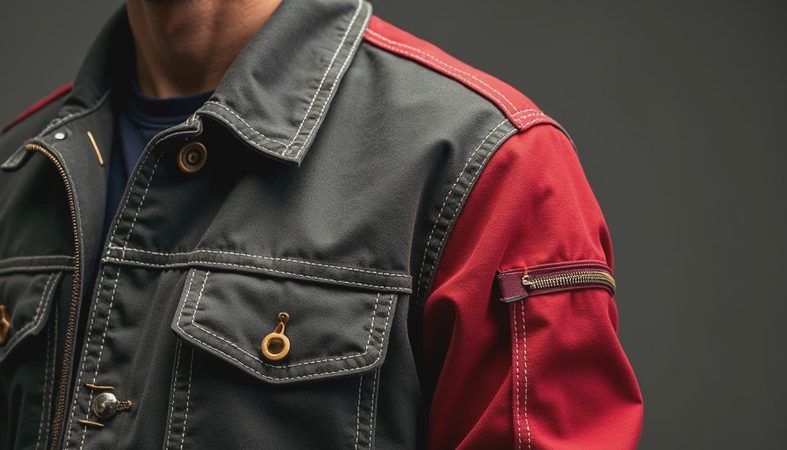
September on the Bitterroot, hour ten, and I was kneeling in shale with a saw scabbard digging into my hip. That was the day I quit pretending all pants were equal. Good cargo work pants carry the stuff you reach for all day, spread the load, and still survive brush, grit, and a hard wash cycle. Bad ones sag, twist, and turn every pocket into a junk drawer. If you work trades, trail crews, ranch, utility, or storm cleanup, the right pair saves time every shift.
What a useful pair looks like
Good cargo work pants start with the fabric. You want something that takes abrasion without feeling like cardboard. Midweight cotton duck, cotton canvas, and cotton blends around 8 to 12 ounces are the sweet spot for a lot of field work. If the pants are all polyester and no backbone, they dry fast but can feel slick and cheap. If they are all heavy cotton with no stretch, they last, but you will notice it when you climb a ladder or squat to set anchor bolts. A little stretch in the right places helps, especially if the knees are shaped and the seat has room.
On a crew, I want belt loops that do not peel off after one season, a zipper that does not snag on day three, and stitching that looks like someone cared. Triple-needle seams, bar tacks at the pocket corners, and reinforced knees are not decoration. They are the difference between a pant that lasts a summer and one that gets another year on the truck seat. If you have to choose, buy the pair with boring construction and fewer gimmicks. The barrel doesn't lie.
Pocket design matters more than extra pocket count
A lot of brands sell cargo work pants by adding pockets until the side seams look crowded. That is the wrong test. What matters is whether the pockets fit the tools you actually carry. A phone pocket that swallows a modern smartphone without dumping it when you kneel is useful. A slim side pocket for a folding knife, Sharpie, or tape measure is useful. A flap pocket that keeps screws out when you are crawling under a house is useful. A giant loose pocket flapping in the wind is just fabric drag.
Pocket placement matters as much as size. If the cargo pocket sits too low, it bangs your knee. Too high, and it bunches up under a belt or harness. I like pockets that sit flat until you need them, then open cleanly. If you wear a radio, multi-tool, or flagging tape, test how the load rides when you walk fast and climb in and out of a truck. That is where cheap cargo work pants give themselves away. They look right on the hanger and act wrong in motion.
The same rule goes for closure. Hook-and-loop is fine for short jobs, but once dust gets in it, the seal gets tired. Snaps are better for some pockets. Zippers are great when you are carrying small hardware. Pick the pocket system that matches your day, not the one with the most hardware in the catalog.
Fit beats fashion every time
If you wear cargo work pants for ten hours, fit is not a vanity issue. It is a fatigue issue. The rise needs to sit where you actually bend. Too low and you are tugging them up all day. Too high and the waist digs in when you sit in a truck or squat to pull wire. The thigh should have enough room that the fabric does not bind when you step over logs, crawl under scaffolding, or climb out of a ditch. A straight leg is often the safest bet if you wear boots. Too much taper can stack on the boot and wear out faster at the cuff.
Length matters too. Pants that are too short ride up when you kneel, and that leaves the shin exposed to gravel, hot metal, and thorn scrub. Pants that are too long chew themselves up at the heel. I keep cuffs a touch longer on field pants because a little drag is cheaper than a blown hem. If you are between sizes, check the waist after a hard lunch and after a wash. Cotton blends move a little; cheap elastic waists can move too much.
For colder work, layer smart. A midweight long john under a roomy pair works better than forcing one tight pant to do every season. For summer, breathable cotton or a lighter ripstop blend keeps you moving without sticking to your legs when the sweat starts.
Price tiers and where the money goes
You do not need to spend like you are buying mountaineering pants to get good cargo work pants. Around $35 to $55 buys basic jobsite pants from brands like Dickies, Wrangler, and some house labels at farm stores. Those can be fine for lighter work, shop days, or backup pants in the truck. Expect simpler fabric, fewer reinforcements, and pockets that are useful but not brilliant.
In the $60 to $90 range, I start paying attention. That is where you see better duck canvas, stronger stitching, articulated knees, and cleaner pocket layouts from names like Carhartt, Wrangler Riggs, and Duluth Trading. This is usually the best value band for guys who wear them hard three to five days a week. Above $100, you are paying for heavier fabric, more durable reinforcements, or specialized work features. Sometimes that is justified. Sometimes it is just a nicer label sewn onto the same basic idea.
I trust the middle shelf the most because it is where the makers still have to compete on durability, not just branding. If the price is high, I want a real reason: heavier fabric, better knee shaping, better pocket engineering, or a cut that fits real work instead of a showroom mirror.
Common mistakes that cost you money
The biggest mistake is buying for the picture instead of the task. If the pants have twelve pockets but none of them fit a notebook, bit driver, or phone without flopping around, they are not helping you. The second mistake is ignoring fabric weight. A light pant feels good in the fitting room and wears thin fast on concrete, fence wire, and truck steps. The third mistake is skipping the knees. If you spend real time on the ground, look for double fronts, pad-ready knees, or at least a cut that gives the joint room to move.
Another miss is assuming every cargo pant is right for hot work. If you are around sparks, exhaust, or torch work, cotton is safer than melt-prone synthetics, but standard pants are not a replacement for flame-resistant gear when the job calls for it. That is not me hedging. That is the line between workwear and safety gear.
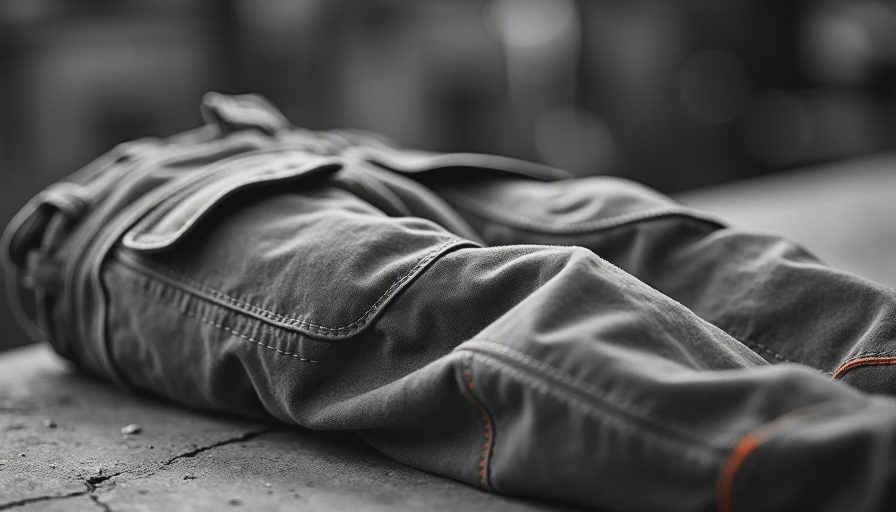
The cleanest buy is the pair that matches your worst day, not your easiest one. Think about where the seams rub, what rides in the pockets, and how many times a week the pants hit dirt, steel, or wet grass. If the answer is often, spend for stitching and fit before you spend for style.
A quick field test before you buy
When I am standing in front of a rack, I run the same simple test. I grab the belt loops and pull hard. I open and close every pocket once. I bend one knee, then the other. I check the inseam and cuff for extra stitching. I look inside for loose threads, thin seam tape, and weak-looking pocket corners. If the pants feel like they are trying to impress me with features instead of earning my trust, I leave them on the hanger.
That is the whole game with cargo work pants. You want enough pocket utility to replace a pouch on lighter days, enough fabric to survive abuse, and enough room to move without fighting the cut. Buy for the work you actually do, not the work you wish you had. When cargo work pants are built right, you forget them by lunch, which is exactly the point. Worn in fire. Proven in dirt.