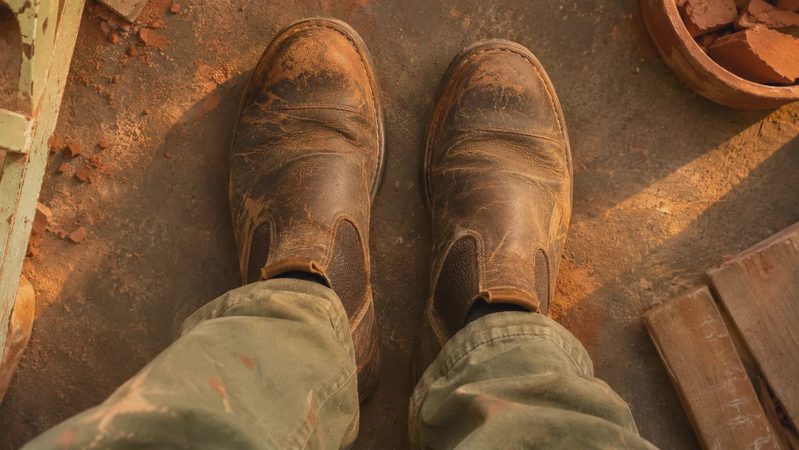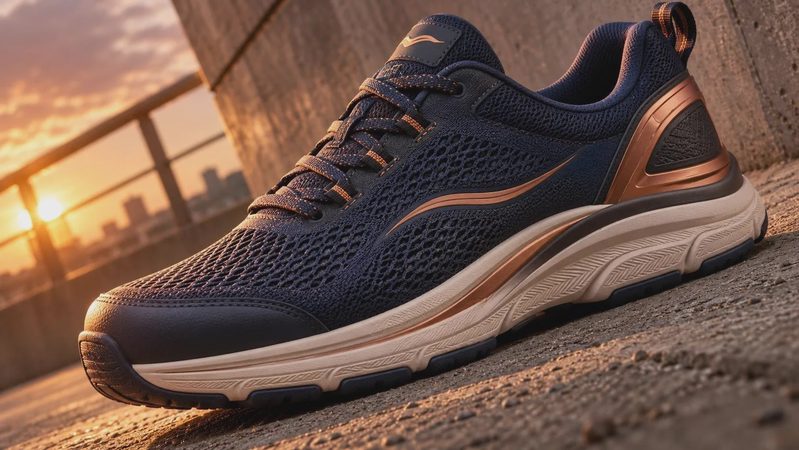
September 2018, Sawtooth Complex, hour 11. My feet were hot, my heels felt hammered flat, and every downhill step sent a hard jolt through my knees. That was the day I stopped treating insoles as throwaway boot padding. The best insoles for work boots can change how a long shift feels, but only if they match your boots, your foot shape, and the work in front of you.
A good insole does three jobs. It supports the arch without creating a pressure point, cushions repeated impact, and manages moisture inside a boot that might stay on your feet for 12 hours. The wrong one can crowd your toes, raise your heel above the boot counter, or fold under the ball of your foot by the end of the first week.
What Makes an Insole Work-Ready
Start with the boot, not the marketing copy. A logger boot, wedge-sole work boot, steel-toe service boot, and rubber chore boot all place different demands on an insert. A hard leather boot usually benefits from structured support and moderate cushioning. A soft wedge sole often needs less foam and more stability because the boot already absorbs some shock.
Look for a firm heel cup, a base that does not twist easily, and cushioning that does not feel like a mattress. Memory foam can feel comfortable in a store, but it often compresses quickly under a heavy worker carrying tools or walking concrete all day. EVA foam is lighter and commonly holds its shape better. Polyurethane tends to be heavier, but it can provide durable cushioning for demanding shifts.
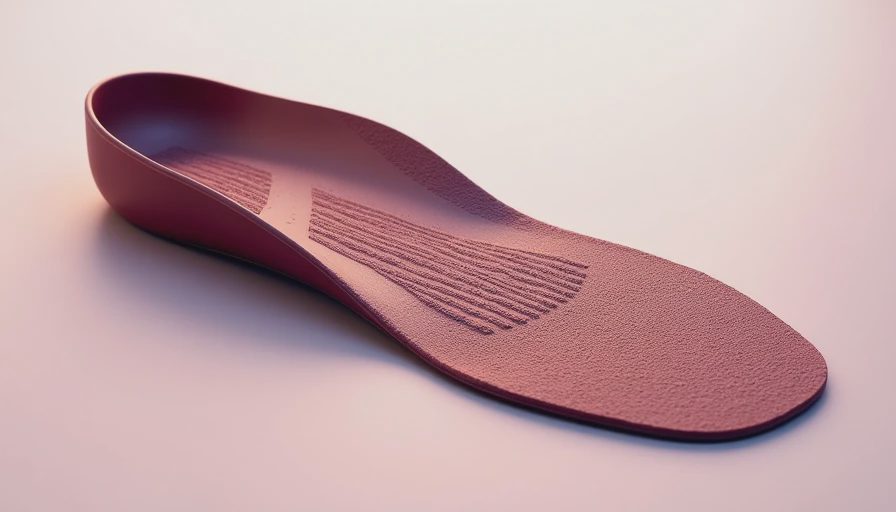
Arch height matters more than thickness. A high arch insert is not automatically better. If your foot is relatively flat, aggressive support can cause soreness along the inside of the foot. If you have a pronounced arch, a flat foam pad may leave your midfoot working too hard. The best insoles for work boots should support the shape you already have instead of trying to force your foot into a different one.

Best Insoles for Work Boots by Job
For concrete floors, warehouse work, and shop shifts, the Superfeet Work Cushion or Dr. Scholl's Work Insoles are sensible starting points. They provide cushioning without turning the boot into a loose slipper. The Superfeet option has a more noticeable structure and usually suits workers who want a defined heel cup. Dr. Scholl's is softer and easier on the wallet, though it may not last as long under heavy daily use.
For construction, utility work, and trail crews, I would look at the PowerStep Pinnacle Work or Timberland PRO Anti-Fatigue Technology insole. PowerStep gives more pronounced arch support and feels stable when carrying loads over uneven ground. Timberland PRO uses a softer, springier feel that works well for long periods of standing. Neither should be crammed into a boot that already fits tightly across the instep.
For fireline-style work, heat and moisture deserve more attention than plush cushioning. A thick gel insert can trap warmth and take up too much volume. A low-profile, moisture-wicking insole with a firm base is usually the safer choice. The best insoles for work boots in this category should dry reasonably quickly between shifts and stay planted when climbing, digging, or moving over loose ground.
How to Match an Insole to Your Boot
Remove the factory footbed before deciding whether an aftermarket insert will fit. Some stock liners are thin and removable; others are glued down or shaped as part of the boot. If the original insole comes out, trace it on paper and compare its length and width with the replacement. Never assume a size 10 insole fits every size 10 boot the same way.
Your toes should still move freely after installation. Steel-toe and composite-toe boots are especially unforgiving because the toe box cannot expand. If the new insert lifts your heel, the boot may rub at the back or feel unstable on ladders. If it raises your foot into the safety toe, remove it immediately. A painful pressure spot is not something your foot will simply toughen through.
Test the fit at home with the socks you actually wear. Walk stairs, squat, and stand for 20 minutes. Then check for hot spots around the heel, arch, and ball of the foot. The best insoles for work boots should feel supportive but not distracting. You should notice less fatigue after a shift, not spend the shift thinking about the insert.
Getting More Life From Your Insoles
Rotate two pairs if you work five or six days a week. Pull the inserts out at the end of each shift and let both the boots and insoles dry in open air. Do not bake them against a woodstove or heater. Excessive heat can warp plastic support pieces, harden foam, and damage adhesives inside the boot.
Wash fabric-covered insoles according to the manufacturer’s instructions. Most can be wiped with mild soap and water, then dried completely before going back into service. If an insole stays damp, develops a permanent odor, or feels lumpy, it is finished. A $40 to $80 replacement is cheaper than nursing a blister through a week of overtime.
Watch the wear pattern. If the heel cup cracks, the arch support collapses, or the forefoot foam becomes visibly compressed, do not wait for a dramatic failure. The best insoles for work boots are still consumable gear. Heavy workers, people carrying packs, and workers on concrete may wear through a pair in six to twelve months, while lighter trail use can stretch that longer.
Common Mistakes That Cost Your Feet
The first mistake is stacking an aftermarket insole on top of the original liner. That steals valuable volume and often causes toe pressure. The second is choosing maximum cushion without considering stability. A soft, thick insert can make the foot roll inside the boot, especially on side slopes or uneven ground.
Another mistake is buying based only on arch labels. “High arch” and “maximum support” sound useful, but your walking pattern and boot shape matter more. A worker with a neutral foot may do better with a moderate arch and a firm heel cup. Someone with recurring foot pain should get professional advice rather than trying increasingly rigid inserts at random.
Do not ignore the socks. A thick wool sock combined with a thick insole can make a properly sized boot too tight. Merino blends are useful for moisture management, while synthetic work socks often dry faster during hot shifts. Fit the entire system together before judging the insole.
My Field-Tested Buying Approach
I start with a moderate-support model in the $30 to $60 range, remove the factory liner, and wear it for several short shifts. If the boot feels stable and my feet are less tired at the end of the day, I keep testing. If I develop a sharp arch ache, heel rubbing, or numb toes, the insert goes back out. No amount of brand reputation fixes the wrong shape.
For a first purchase, Superfeet Work Cushion, PowerStep Pinnacle Work, Timberland PRO Anti-Fatigue, and Dr. Scholl's Work Insoles cover different needs and budgets. Prices change, but spending $40 on an insert that lasts a season is reasonable when the alternative is replacing boots early or losing workdays to foot trouble. The best insoles for work boots are not necessarily the most expensive. They are the ones that fit the boot and disappear under your feet.
My Fire Line Scale puts a well-fitted, durable insole in the Serviceable to Battle-Tested range, depending on the job. Check the fit, give your feet several shifts to adapt, and replace the insert when the structure is gone. The barrel doesn't lie, but your feet usually warn you first.
Worn in fire. Proven in dirt.