The Setup: One Shirt, One Barrel, No Mercy
I see them everywhere — shirts labeled “flame resistant” or “fire retardant” that promise to protect you on the job. After watching too many guys trust those labels and get burned (sometimes literally), I decided to test one of the most common budget options head-to-head with the burn barrel.
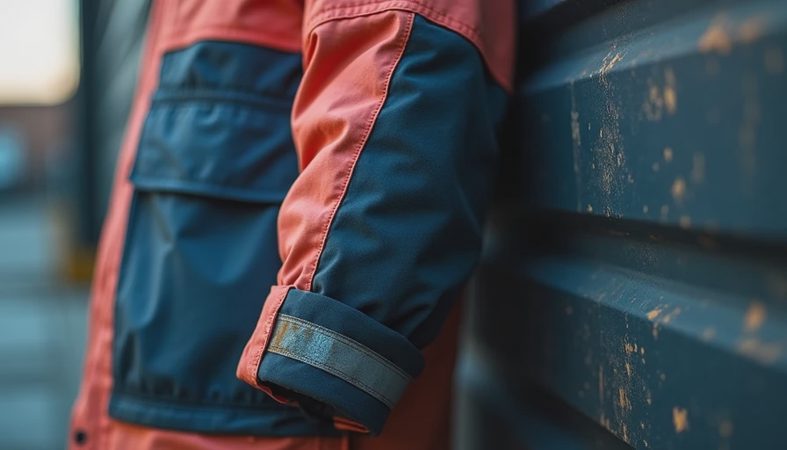
This particular shirt was a popular Amazon bestseller marketed heavily to construction and outdoor workers. The tag said it all: “FR Treated, Meets NFPA Standards.” Sounded good on paper. Let’s see how it performed in reality.
Initial Field Wear: What Happened Before the Barrel
I wore this shirt for two full weeks on light duty — engine maintenance, some trail work, and one prescribed burn patrol. From the start, the fabric felt thinner than expected. It was comfortable for casual wear, but I noticed it wrinkled badly and showed dirt easily.
During the prescribed burn, even at a safe distance, I felt more radiant heat coming through the shirt than I should have. A few small sparks landed on the sleeve. Instead of beading off or self-extinguishing quickly, they smoldered longer than I liked. That was my first red flag.
Into the Barrel: The Moment of Truth
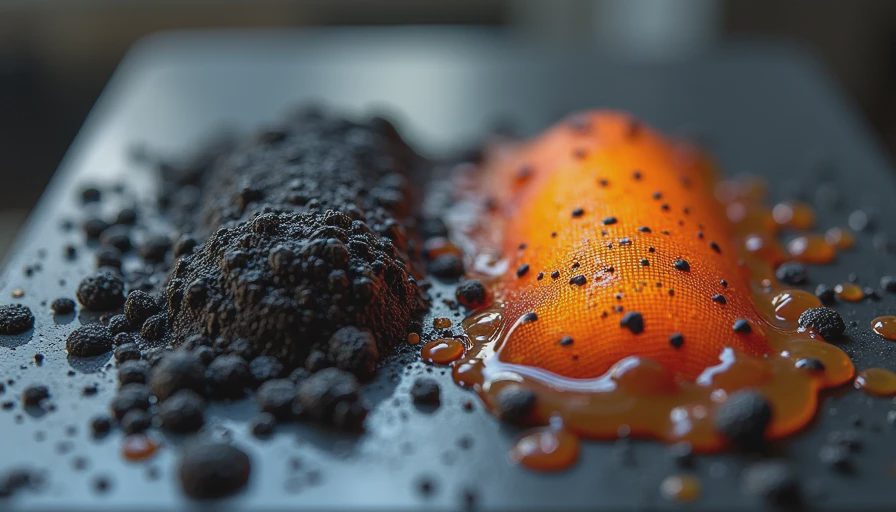
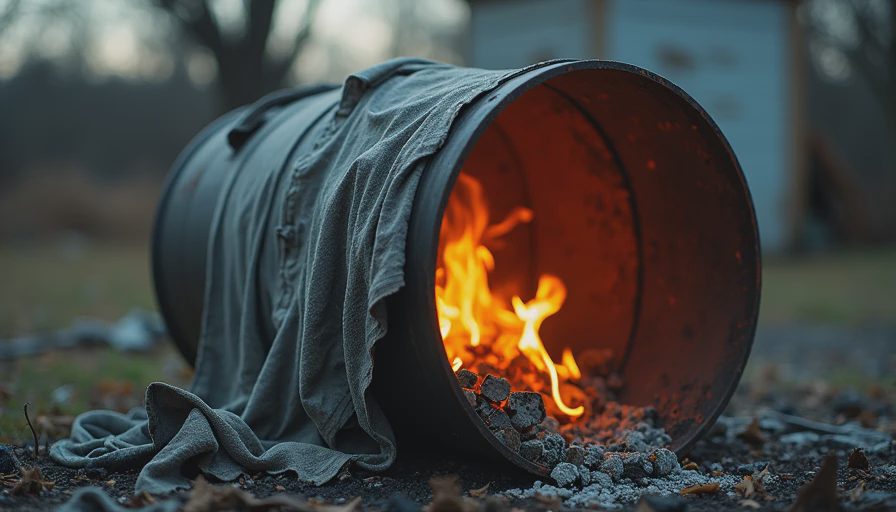
The 55-gallon steel drum in my backyard has seen a lot of gear. I cut a section of the shirt and placed it in the barrel alongside a known good Nomex sample for comparison. Then I lit it up properly.
What happened next was disappointing but not surprising.
Within seconds the “fire-resistant” shirt fabric ignited cleanly. It burned with a bright orange flame and continued burning even after I pulled it out of direct flame. The material melted and shrank dramatically, forming hard plastic-like beads. The smell was acrid and chemical — exactly what you don’t want near your skin in a real fire situation.
By contrast, the Nomex sample charred, curled, but held its structure and stopped burning once removed from the flame source. That’s the difference that matters when things go sideways.
Why This Shirt Failed So Badly
The biggest issue is the treatment method. Many budget “FR” shirts use chemical treatments that wash out over time or break down under heat. Once that protection is gone, you’re left with regular cotton or a cotton-poly blend that burns readily and melts.
This shirt also had poor seam construction. The thread used was not flame-resistant, so even if the fabric had held up better, the seams would have failed first. In a real scenario, that could mean a tear in exactly the wrong place.
What the Marketing Doesn’t Tell You
Look at any of these product pages and you’ll see impressive lab test results. What they don’t show is real-world durability after 10 washes, or performance when exposed to actual wildfire conditions with wind, embers, and prolonged heat.
I’ve seen crews buy these shirts because they’re cheap and look tactical. Then they wonder why they’re replacing them every season while their more expensive gear lasts years.
Lessons Learned From This Test
Read the fine print — Is it inherently flame resistant (like Nomex) or chemically treated?
Check the wash instructions — Many treatments degrade with regular laundering.
Look at seam thread — It needs to match the fabric’s protection level.
Trust field performance over lab claims — The barrel doesn’t care about marketing.
Who Should Avoid This Shirt
Pretty much everyone who works near fire, sparks, or high heat. For casual yard work or non-hazardous outdoor jobs, it might be fine. But for actual wildland firefighters, construction crews near welding, or anyone who needs reliable protection — spend the money on proper FR gear.
The Burn Barrel Verdict
This “fire-resistant” work shirt failed the test spectacularly. It burned readily, melted, and offered almost no real protection once exposed to flame. Not recommended.
I’ll keep testing more shirts in future Barrel episodes. Some will surprise you in good ways. This one didn’t.
Worn in fire. Proven in dirt.