The Problem With Most Layering Advice
Most outdoor layering guides come from people who hike on weekends. Fire assignments are different. You might start at 25°F in the morning, climb to 85°F by afternoon while humping hose up a hill, then freeze again during night mop-up. Your clothes have to handle all of it without slowing you down.
This is the exact system I relied on for most of my career. It’s not flashy. It’s not the latest tech. But it worked through 15 seasons.
Base Layer: The Foundation
I settled on merino wool blends for my base layers. Not the super-thin fashion stuff — proper midweight merino that actually wicks moisture and resists odor.
Why merino? It keeps working even when damp. On long shifts when you’re sweating hard, cotton gets heavy and stays wet. Merino moves the moisture away and still insulates. After three days in the same shirt, I didn’t smell like a locker room disaster like I did with synthetics.
I always carried two sets: one lighter for hot days and one heavier for cold starts.
Mid Layer: The Workhorse
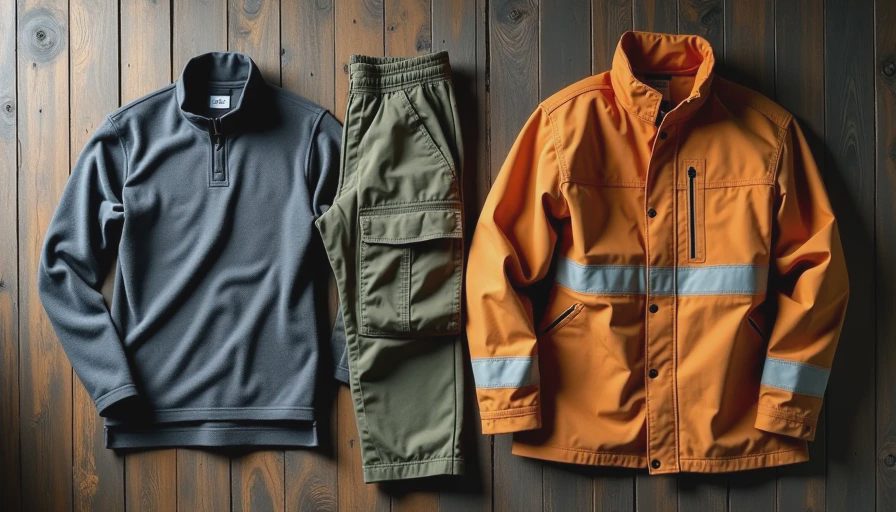
For the middle layer, I used a simple wool or wool-blend shirt. Something with good arm mobility for saw work. The key is having something that buttons or zips so you can vent easily when you start heating up.
I avoided puffy insulated jackets as mid layers on active fires. They trap too much heat and make you sweat excessively. Save the puffies for cold base camp or winter patrols.
Outer Shell: Protection That Breathes
My go-to outer layer was a quality softshell or lightweight hardshell depending on conditions. For most summer fires, a durable softshell with good abrasion resistance won out. It blocked wind, shed light rain, and allowed enough breathability during hard work.
When things got really wet, I’d pull on a proper rain shell — but only when necessary. The less you wear, the less you sweat.
The Pants System
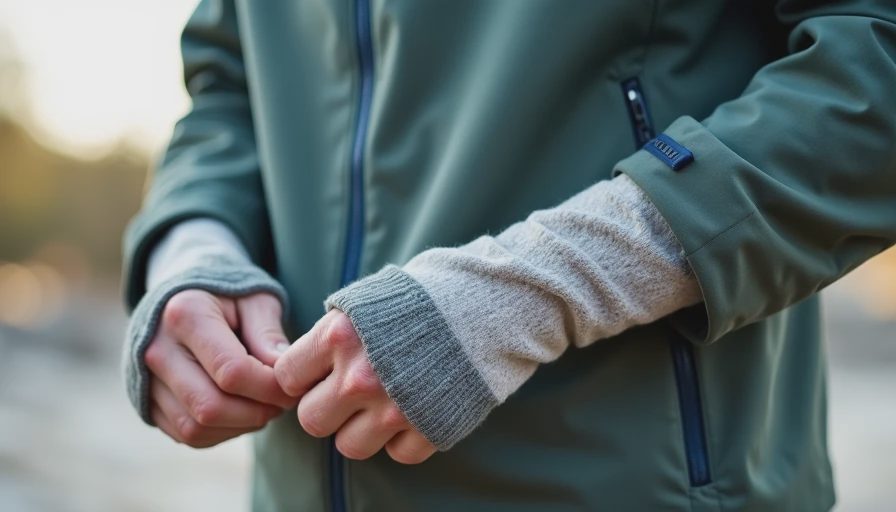
I paired everything with Nomex or FR-treated pants as the base. Over them, I sometimes added lightweight rain pants if conditions called for it. The important part was maintaining mobility. Too many layers on your legs and you’re fighting the fabric instead of the fire.
Head, Hands, and Feet
Head: Wool or merino beanie for cold mornings, wide-brim hard hat with neck shroud for sun and sparks.
Hands: Two pairs of gloves — thin liner gloves for dexterity and heavier leather gloves for heavy work.
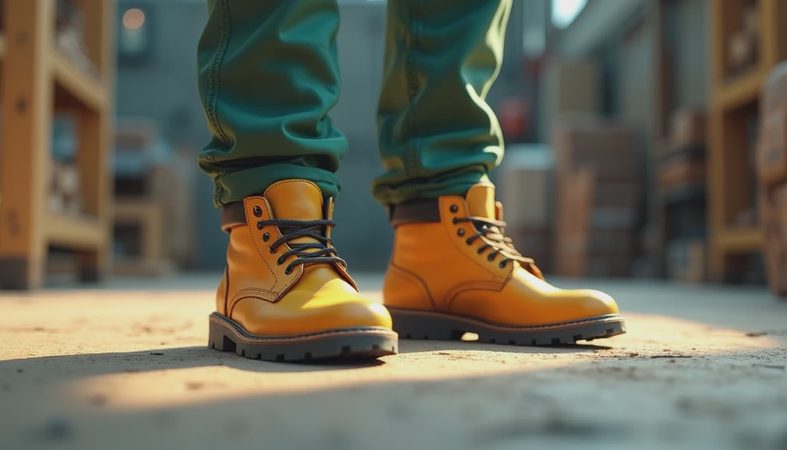
Feet: Wool socks (again, merino) with good boots. Never underestimate socks. Blisters end careers.
How the System Performed Over 15 Seasons
This combination got me through:
Early season cold and wet starts
Peak summer heat and smoke
Late season snow on high-elevation fires
Multi-day assignments where laundry wasn’t an option
The beauty was its simplicity. I could add or remove layers quickly without stopping the whole crew. Everything packed small in my line gear.
Common Mistakes I See Crews Making
Too many guys show up with one heavy jacket and cotton everything else. They end up either overheating and soaked or freezing when the sun drops. Others buy the latest “technical” fabrics that fail spectacularly in real smoke and ash.
Stick with natural fibers where possible and proven FR materials where it counts. Test your system before you need it.
My Current Recommendation for New Crew Members
Start with good merino base layers, a solid midweight wool shirt, a tough softshell, and proper FR pants. Build from there based on your specific environment. Don’t chase every new gadget. Find what works and wear it until it doesn’t.
Final Thoughts on Staying Comfortable on the Line
The best layering system is the one you actually understand and can adjust on the fly. Fancy tech is worthless if you’re too hot, too cold, or too wet to function.
This system kept me effective for 15 seasons. It can work for you too — whether you’re on the fire line or just working long days in tough conditions.
Worn in fire. Proven in dirt.