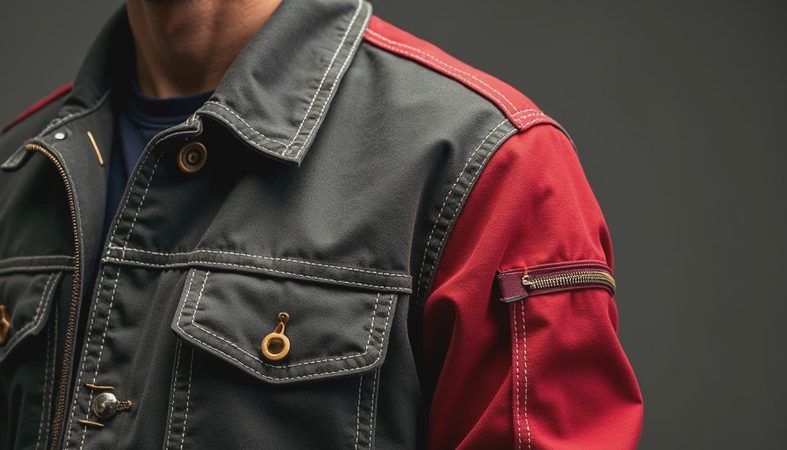
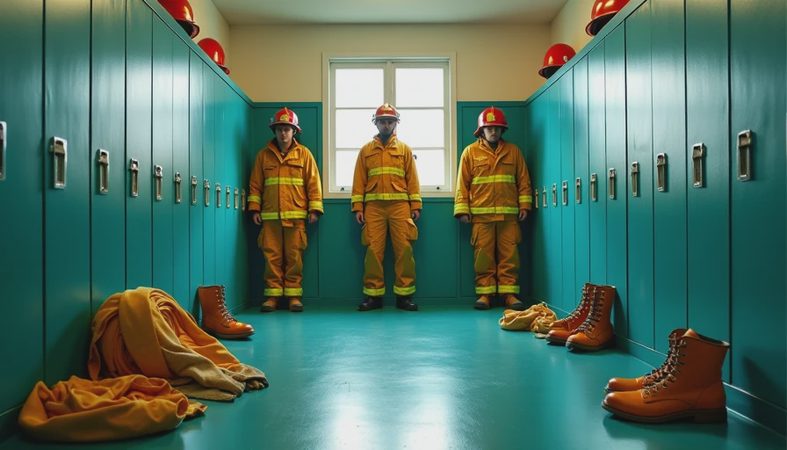
Work shirts are the first layer that gets judged when the day turns rough. On a hot ridge, under a hood, or bent over a fence line, they take the sweat, the dust, and the first hit of abuse. If the seams pop, the collar twists, or the fabric turns into a mop after two washes, the shirt failed before lunch. I care less about how a shirt looks on a hanger and more about whether it still earns space in the rotation after a week in the dirt. The right one should breathe, move, and survive hard wash cycles without getting flimsy.
Start with fabric, not fashion
The best work shirts usually start with plain, honest fabric. Cotton is still the baseline because it breathes, it feels decent in the heat, and it does not build static like some synthetics. A heavier cotton twill or canvas weave brings more abrasion resistance, while a lighter chambray or poplin shirt works better when the day runs hot. Poly-cotton blends dry faster and wrinkle less, which matters if you are living out of a truck or a bunkhouse, but they can hold odor longer than straight cotton.
For welding, grinding, or electrical work, the fabric choice gets serious fast. Flame-resistant shirts are built for that kind of job, and regular synthetic blends are not a substitute. If sparks are part of the day, buy the right shirt and stop improvising. In the rest of the trades, a solid cotton-poly shirt in the $25 to $60 range usually gives the best mix of comfort and toughness. The best work shirts do not need a fancy story. They need a weave that can take a beating and stitching that stays closed.
Fit is where cheap shirts fall apart
A good fit keeps work shirts from becoming a problem before the first coffee break. The shoulder seam should sit where your shoulder ends, not halfway down your arm. If the chest is too tight, every reach for a tool box or hose coupling pulls at the buttons. If it is too loose, the shirt catches on ladders, brush, and seat belts. Sleeve length matters more than people admit. A sleeve that rides up on a raised arm is annoying at best and a burn hazard at worst when you are working around heat.
Look for details that make motion easier. A split back yoke, gussets, or a little extra room through the shoulder blades helps when you are climbing, lifting, or crawling under equipment. Pocket placement matters too. A chest pocket that sits too high gets useless under a vest, while one that is too low gets jammed by a tape measure or notebook. I like simple buttons or snaps, depending on the job, because both are easier to replace than a weird hidden closure that quits when dirt gets into it.
Match the shirt to the job
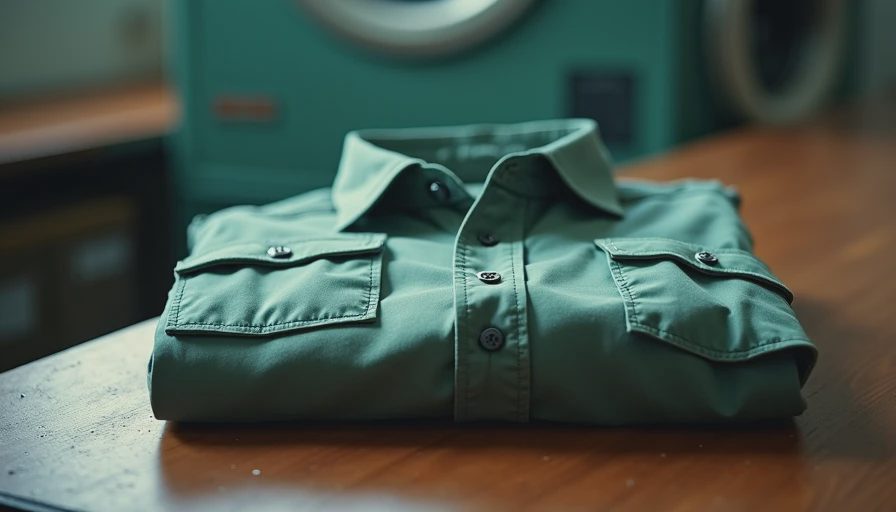
For electricians, welders, ranch hands, and HVAC crews, work shirts should match the heat, the grime, and the pace of the day. On a construction site, a midweight button-up can do a lot of work. It gives you enough toughness for carrying lumber or handling sheet metal, but it still breathes better than a stiff overshirt. On a ranch, I lean toward shirts with longer tails and tougher elbows because you spend more time climbing in and out of trucks, sorting cattle, or leaning on steel than standing still.
In hot weather, lighter shirts from brands like Wrangler or Dickies can make sense because they are easy to replace and do not cost much if they get ruined by grease or sparks. Carhartt is still a fair benchmark for tougher cotton pieces, especially if you want a shirt that shrugs off barn dust and jobsite abuse. For guys who want more stretch and sweat control, Truewerk and some Ariat work pieces bring performance fabric into the mix without going full gym shirt. The trick is picking the shirt that matches your day instead of buying the heaviest thing on the rack and hoping weight equals durability.
What survives a season of hard use
I have seen work shirts fail in the same boring ways over and over. Buttons blow out when the stitch is too weak. Collars curl after a few hot dries. Cuffs fray where a wrist rides against a tool belt or chain saw handle. Cheap seams open at the shoulder blades if the fabric was cut too tight for real movement. The barrel does not lie on this stuff. If a shirt comes out of the wash twisted, shrunk, and thinned out in three weeks, it was never a serious shirt to begin with.
The shirts that last usually have double-stitched seams, decent buttons, and enough body in the fabric to keep their shape. I also pay attention to colorfastness because a shirt that fades into a gray rag after a few loads does not look any better, and it often signals weaker dye quality. Wash cold when you can, skip the high heat dryer if the fabric is prone to shrinking, and do not overload the machine with grit and grease. A little care does not make a bad shirt good, but it can keep a good one in service for another season.
When to spend and when to save
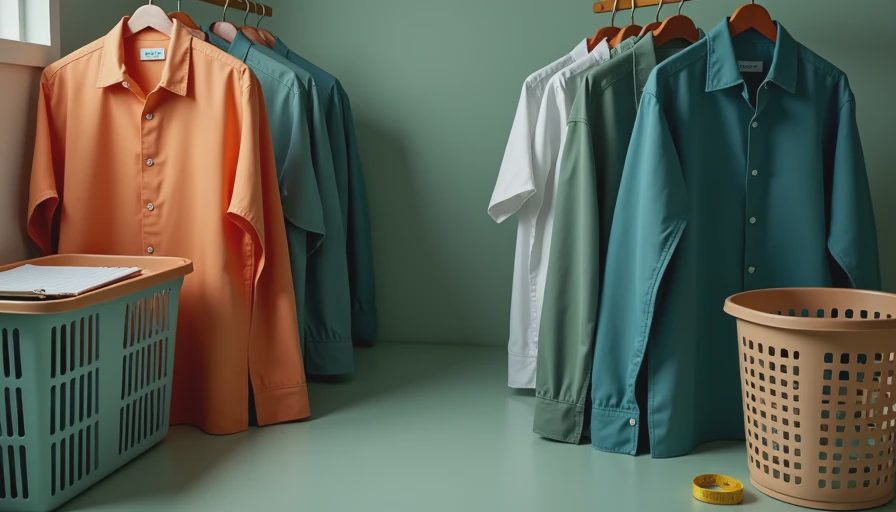
Not every job needs a $90 shirt, and not every bargain shirt is junk. If you are stocking a few everyday pieces for dirty work, a $25 to $40 cotton or cotton-poly shirt from Dickies, Wrangler, or a store-brand work line can be perfectly acceptable. If you want better stitching, cleaner fit, and fabric that holds up after repeated washes, the $35 to $60 range is usually where the sweet spot lives. That is where Carhartt, Ariat, and similar brands tend to land with shirts that are sturdy enough for real use without feeling like armor.
Spend more when the job asks for it. If you need flame resistance, moisture control, or a cut that moves better in long hours, a higher-priced shirt can earn its keep. Save money when the shirt is going to see paint, mud, or welding spatter that will ruin it anyway. I would rather own three solid shirts and rotate them hard than buy six shiny ones and baby them. That is the same advice I give guys looking at boots, gloves, and rain gear: buy for the work you actually do, not the work you wish you had.
If you are building a dependable rotation, start with one lighter shirt for heat and one tougher shirt for abrasion, then see which one you reach for after the first week. The best work shirts are the ones you stop thinking about because they already proved themselves. That is the whole point. Worn in fire. Proven in dirt.