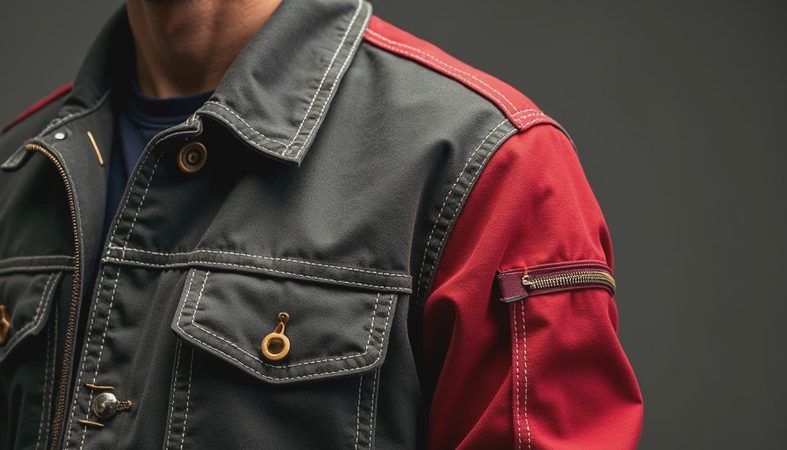
Work shirts for men have one job: survive sweat, sparks, mud, and repeated washes without turning into shop rags. I learned that the hard way on the fire line, where a shirt that shrinks up, twists at the shoulders, or pops a seam costs you time before lunch. A good one should move with you, dry fast, and still look decent enough to wear back into town after shift. In my shop and on the trail, I judge them by the barrel doesn't lie test: if the fabric pills, the collar frays, or the stitching gives up early, it goes in the same pile as the bad gloves.
Start with the fabric, not the label
When I shop work shirts for men, I start with fabric weight and fiber, not the logo on the pocket. Cotton breathes best, which matters when you're shoulder-to-shoulder with a saw, a shovel, or a fence post in July. A cotton-poly blend dries faster and wrinkles less, but cheap blends can feel slick and trap heat. For hard wear, 5 to 7 ounce chambray, oxford, or ripstop usually does better than the thin discount stuff you find in a big box aisle. If sparks are part of the day, look at FR shirts from brands like Bulwark or Ariat FR, but understand the price jump: $70 to $150 is normal, and that money buys tested protection, not just thicker cloth.
The best value I have found is in shirts that split the difference: a midweight cotton button-down from Carhartt, Dickies, Wrangler Riggs, or Red Kap. Those names are not magic. They just keep making shirts that are cut for work, not for a bar stool. On a crew, a $35 to $55 shirt that lasts two seasons beats a $20 shirt that frays by the second wash. If you have to buy three times to get one keeper, it is not a bargain.

Fit matters when the day gets long
Fit is where a lot of buyers get tricked. A shirt can look clean on a hanger and still fail as soon as you reach overhead, crawl under a truck, or swing a hammer all afternoon. I want enough room in the shoulders for a full reach, enough length in the torso to stay tucked, and sleeves that do not choke your forearms when you bend your elbows. If the shoulder seams sit too far inboard, the shirt will pull at the back and wear out there first.
For tall guys, sleeve length matters more than the chest size on the tag. For guys who layer in cold weather, a little extra room is a feature, not a flaw. A shirt that lets you slide a thermal underneath without turning you into a sausage saves money in shoulder season. If you are in and out of trucks, loaders, or equipment all day, snap-front western styles can be easier with gloves and dirty hands. That is not style advice. That is a way to keep moving when the day is already chewing up your patience.
The details that save a shirt from the trash pile
A lot of work shirts for men get wrecked by the same small things: weak stitching, cheap buttons, and pockets that sag after a month of tape measures and pens. I look for triple-needle seams at the shoulders and side seams, bar-tacked stress points, and buttons that are sewn tight, not hanging by two threads. A chest pocket with a pencil slot sounds minor until you are on a roof or under a rig and need your marker now. Cuffs matter too. Adjustable cuffs make it easier to wear gloves or roll sleeves without fighting the shirt every hour.
The wash room is part of the job, so shrink resistance matters. Pre-shrunk fabric helps, but so does a shirt that holds its shape after repeated hot cycles. Dark colors hide shop grime and diesel, while lighter colors show sweat but stay cooler in sun. Pick what matches your day, not what looks rugged in an ad. A shirt that comes back from the dryer ready for another shift is worth more than one that needs an iron you never use.
What I would buy for different jobs
If you are welding or working around hot exhaust, spend up for FR and keep the shirt simple. No synthetic tees under it unless the garment maker says they belong there. If you are on a construction crew, a midweight cotton or cotton-rich shirt from Dickies or Carhartt is usually the sweet spot because it takes abrasion without feeling like a tarp. For ranch work or trail work, pearl snaps and western cuts earn their keep because they are easy to open, they layer well, and they do not snag as badly on brush or hardware.
If you want one shirt to do everything, that is where most buyers get burned. A single light poplin shirt will not like a fencing day, and a heavy duck shirt will make a July shift miserable. Better to buy by season and task. In spring and fall, I keep two or three midweight shirts in rotation. In peak summer, I want something breathable enough to keep the sweat from running into my eyes. That is the honest way to spend crew wages.
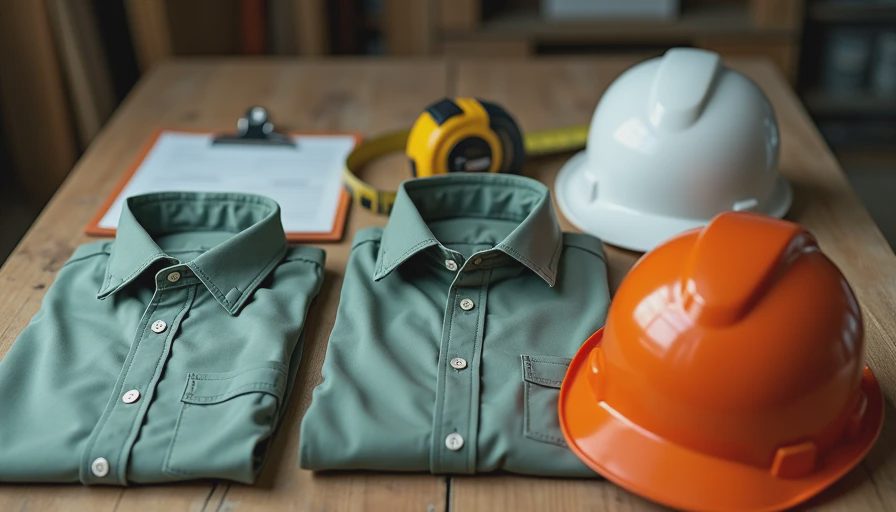
Care, repair, and when to walk away
A shirt gets more expensive when you treat it like disposable gear. Wash it cold if the fabric can handle it, skip the heavy dryer heat when you can, and mend a popped seam before it becomes a rip across the back. Replacement buttons, a little bar tack at the pocket, and a quick patch on a cuff can buy you another season. That is why I keep a small repair kit in the shop drawer. A shirt that survives a quick fix is a better buy than one that had to be replaced from day one.
For most crews, work shirts for men should be judged on movement, durability, and washability before anything else. If you are shopping online, read past the marketing copy and look for fabric weight, seam construction, pocket layout, and whether the cut matches the job you actually do. Spend enough to get the right cloth, but don't pay for fashion trim that will end up in the rag pile. Worn in fire. Proven in dirt.