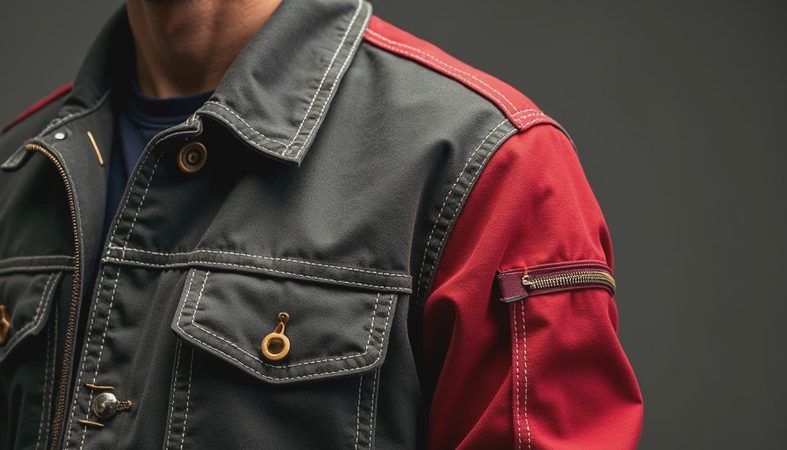
September in Montana will teach you fast. One hour you are sweating through your base layer, the next you are brushing off grit, pine pitch, and a little ash from a bad snag hit. That is where long sleeve work shirts earn their keep. I have worn plenty that looked tough on the hanger and fell apart after a few hard shifts. The good ones do three jobs at once: block sun, keep brush off your skin, and survive the wash without turning into a rag.
If you are buying for the truck, the crew locker, or your own two hands, start with what the shirt has to survive. Sun exposure, shoulder rub from pack straps, grease, sawdust, and the kind of heat that makes cheap stitching pucker. The goal is not fashion. The goal is a shirt you stop thinking about after the first hour.
What the right shirt does when the day goes sideways
A decent work shirt should buy you time. That means less skin exposed to UV, fewer cuts from thorn brush, and fewer little burns from hot metal, chain saw chips, or a tailgate that has been baking all afternoon. On real jobs, sleeves also keep you from getting scraped up every time you crawl under a trailer, reach into a truck bed, or drag hose through cheatgrass.
The best long sleeve work shirts do not feel like a canvas tent. If the fabric is right, they move air better than most people expect. A light chambray, a soft twill, or a breathable blend can stay comfortable well into the afternoon if the cut is honest and the weave is not too tight. I have worn shirts that felt heavy in the hand but stayed serviceable because they breathed better than the bargain-bin stuff. The barrel does not lie, and neither does a 10-hour shift.
Fabric is the first decision that matters
The best long sleeve work shirts start with fabric that matches the job. If you are on a ranch, a light cotton twill or denim shirt can take a beating and still wash out clean. If you are moving fast, sweating hard, or working in and out of trucks all day, a cotton-poly blend or performance work shirt can dry quicker and wrinkle less. For welders and electricians, the answer changes again: you want flame-resistant gear that meets the right standard for the task, not just a shirt that feels thick.
I usually see three price bands that make sense. Around $25 to $40 gets you the basic button-downs from brands like Wrangler, Dickies, and Red Kap. In the $45 to $80 range, Carhartt, Ariat, and some of the better Wrangler Riggs shirts start giving you better seams, better pockets, and a cleaner fit after repeated washing. Once you push past that, you are often paying for heavier fabric, stronger construction, or a specialty cut that earns its keep if you wear it five days a week. Most long sleeve work shirts in that middle range are where the value lives.
Fit details that save your shoulders
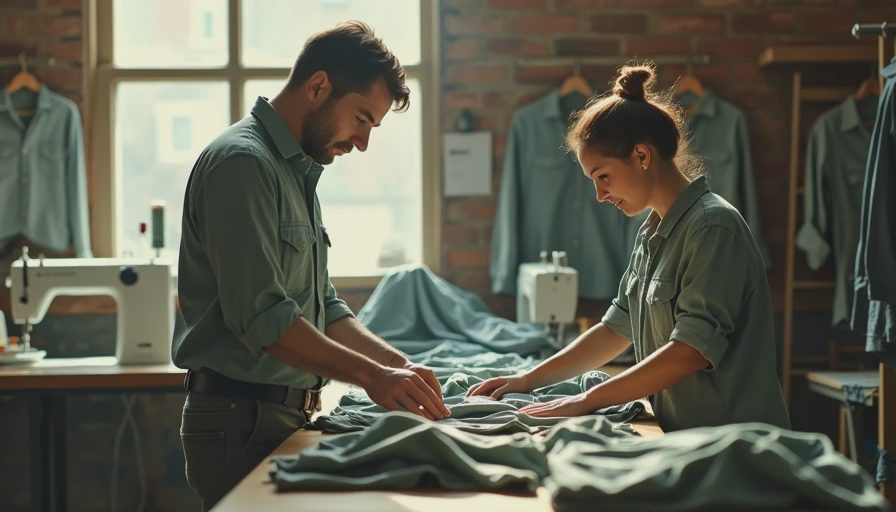
For long sleeve work shirts, fit has to leave room for work, not just standing still. You want the shoulders lined up, the sleeves long enough to cover your wrists when you reach overhead, and the hem long enough that it stays tucked when you bend or climb. If the shirt binds in the back when you grab a tool or pull a chain, it will wear out faster at the seams and you will hate it by lunch.
Small details matter more than the catalog copy. A chest pocket with a real flap keeps screws, notes, and a Zippo from spilling out. A pencil slot is handy if you still write anything down on paper. Button cuffs are fine for most jobs, but snap cuffs are easier with gloves on. A slightly longer tail helps keep the shirt from riding up under a harness, tool belt, or pack belt. If the shoulders are cut right, the rest of the shirt usually follows.
Brands and build quality worth a look
I do not care much about a logo unless the shirt has already passed a few shifts. Carhartt usually leans heavier and tougher, which makes sense for colder weather, rougher work, and guys who want a shirt that feels built. Wrangler and Dickies often land in the cheaper end of the pool, and some of their shirts are plenty good for shop work or light outdoor labor. Ariat tends to make cleaner-fitting western work shirts that people like when they want a little more room in the arms without swimming in the body. Red Kap is common in fleet shops and mechanic bays because it is straightforward and easy to replace.
The trick is not chasing the fanciest label. It is buying the shirt that matches your week. If you are in and out of a cab, a lighter shirt with a decent yoke and strong seams is smarter than a heavy one that stays damp all day. If you are busting brush, loading gear, or spending time on a tailgate in wind and dust, a tougher weave pays off. The same shirt will not be right for every job, and that is fine.
How to keep them alive past the first season
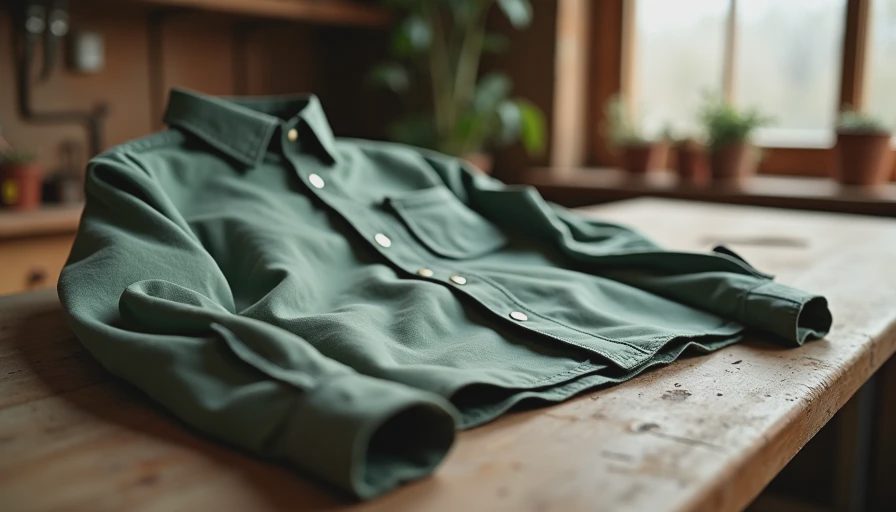
A shirt can be a good buy and still die early if you beat it up the wrong way. Wash it with similar colors, skip the fabric softener on performance shirts, and do not dry everything on high heat if you want the shape to last. High heat shrinks cuffs, twists collars, and turns a good fit into a box. If the shirt has FR properties, follow the care tag closely because the wrong detergent or additive can work against the garment.
Rotating shirts helps too. Two or three solid shirts will last longer than one favorite that never gets a day off. I have seen cheap shirts fade, pill, and tear at the elbows after a month of hard use, while a better-built one stayed in service for a full season and then some. That is where the math gets simple. Paying a little more once beats buying twice.
What I would tell a crew buying today
If you wear long sleeve work shirts every week, buy for the job you actually have, not the one in the catalog photo. Start with one lighter shirt for warm days and one tougher shirt for rough work. Make sure the shoulders move, the sleeves stay put, and the seams look like they were built by someone who expected a hard season. If your work brings heat, flame, or electrical risk, stop there and buy the right FR-rated shirt for that task.
For everybody else, the best shirt is the one you do not have to baby. It should handle dirt, wash clean, and come back ready for another shift. That is how I judge gear now: if it survives the week and still feels right on Monday, it earned a place on the hook. Worn in fire. Proven in dirt.