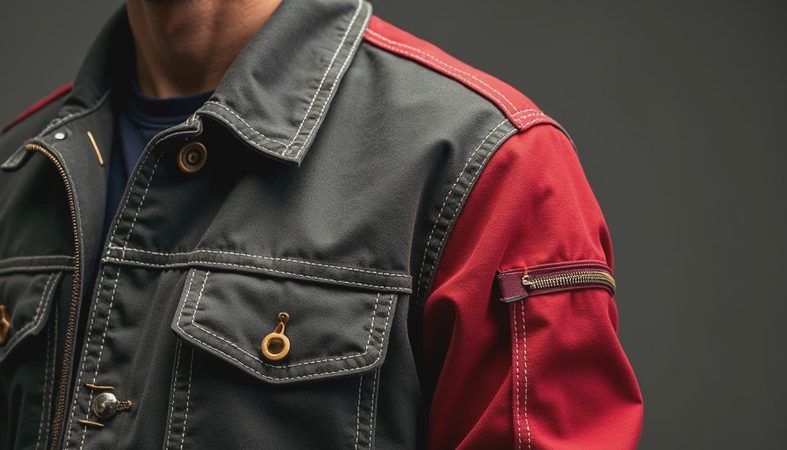
The first time I started paying attention to button up work shirts was on a September shift when the sun came up hot, the saw started biting, and the collar on my cheap shirt turned into a sandpaper joke by 0900. Since then I’ve looked at every shirt the same way: does it move air, keep its shape, and stay useful after a hard wash? If it cannot do that, it does not belong in the truck.
A good work shirt does three jobs at once. It protects your skin from brush, sun, and hot metal. It gives you room to reach, kneel, and twist without pulling across the back. And it survives repeated wash cycles without turning thin, shiny, or crooked at the seams. That sounds basic, but a lot of shirts miss one of those jobs before the first month is over.
What a real work shirt has to survive
Most button up work shirts fail in the same three places: the elbows, the shoulder seams, and the cuffs. If you wear a shirt under a vest, tool belt, or pack, those spots get rubbed every day. On a trail crew or around a shop, the collar gets dirty fast, so a floppy collar that collapses after two washes just looks tired. The better shirts use tighter stitching, bartacks at stress points, and buttons that are sewn on like somebody expected them to be tugged hard.
I also pay attention to the pocket layout. Two chest pockets are still useful if you actually carry a pen, notebook, or safety glasses. A pencil slot sounds small until you are trying to mark a cut or jot a number with gloves off and one hand busy. Long tails help when you reach overhead or bend over a tailgate. If a shirt rides up every time you work, it is fighting you all day.
Price matters too. For most crews, the sweet spot is usually $35 to $60 for a solid everyday shirt. Step up to $70 or $90 and you should get heavier cloth, better stitching, or a cut that actually works with shoulders and a tool belt. Anything much cheaper can still be fine, but you need to inspect the seams, the buttons, and the fabric weight before you hand over the money.
Fabrics and weights that make sense
Cotton still makes the most sense for heat and comfort. A 4.5 to 5.5 ounce cotton poplin breathes well and feels good in hot weather, but it can wear fast if you abuse it around brush or rough lumber. A 6 to 7 ounce twill is thicker, hangs better, and gives more life under abrasion. If you are around sparks, exhaust, or active fire, you should be looking at properly rated FR gear, not just a tough-looking shirt.
Cotton-poly blends add wrinkle resistance and shorten dry time. That is handy if you live out of a laundry room or you need a shirt back in rotation by morning. The tradeoff is heat. Some blends feel a little less natural on skin once the day gets long and sweaty. That is fine if you want easy care, but I would not buy a shiny blend just because the tag says it dries fast.
Ripstop can be a smart choice if you work around brush, fence wire, or gear that tears cloth at random. It usually costs a little more and does not always drape as well as plain twill, but it can keep a small tear from becoming a blown-out side seam. For the guy who destroys shirts at the forearm first, that matters.

How I judge button up work shirts on a real shift
The fit check starts before you leave the house. Reach forward like you are grabbing a saw, then reach up like you are shoving a pack onto a tailgate. If the shirt binds across the upper back, the cut is wrong. If the sleeves twist when you move, the armholes are too low or the pattern is off. A good shirt lets you move without feeling tailored in the bad sense, where the cloth looks neat but does not work.
Sleeve length matters more than most people think. Too short and the cuffs end up half way down your wrist by lunch. Too long and they drag through grease or water. I like cuffs that stay closed but do not choke the wrist. A button collar can be nice for clean jobs, but on hot days I prefer something plain that does not dig in when the top button is open.
The shirt also has to wash back into shape. If the placket twists, the pockets sag, or the shrinkage changes the fit after one warm wash and dry, that shirt has already started lying to you. I have had decent shirts from Carhartt, Dickies, Wrangler, and Red Kap hold up for seasons, and I have had others from the same brands fall short because the fabric weight was too light for the work. The label is not the whole story.
Brands and price ranges worth looking at
If you want a simple place to start, look at Red Kap and Dickies for budget work shirts, usually in the $25 to $40 range. They are common for shop work, deliveries, and lighter duty jobs. Carhartt and Wrangler Riggs often land higher, around $40 to $70, and usually bring heavier fabric, a roomier shoulder, or a tougher collar. Duluth Trading can run even higher, especially if you want extra pockets or a looser cut, and that only makes sense if the features actually solve a problem for you.
Ariat and some western workwear lines make shirts that move well through the shoulders and look clean enough for a mixed day of field work and town errands. That can be a good fit for ranch work or utility crews that need a shirt that does not look sloppy at 1700. Just do not pay for style points if the cloth is thin. A shirt that looks sharp in the rack is still useless if it blows out at the elbows by midsummer.
The trick is matching the shirt to the job. If you spend the day under a roof, in a truck, or around a clean shop, a lighter shirt is fine. If you drag hose, climb ladders, or live in alder and briar, pay for more cloth and stronger stitching. That is where the extra twenty bucks pays you back.

Care, shrinkage, and when to replace it
Wash on cold if you want the shirt to keep its size longer, then dry it low or hang it if you can stand the wrinkle. Hot wash and high heat will beat up almost any cotton shirt over time. If you buy pre-shrunk cloth, that helps, but it does not make the shirt immortal. It only reduces the first round of shrink.
A shirt is done when the collar turns limp, the cuffs fray through, or the fabric gets thin enough that the chest pocket starts showing daylight. Small seam fixes are worth doing if the rest of the shirt still has life. Once the elbows go shiny and the body starts twisting after each wash, I stop pretending it is a work shirt and move it to barn duty or shop rag status.
For buyers trying to get the most out of a work budget, this is the whole deal: buy the cloth you actually need, check the seams before you pay, and do not get fooled by a nice photo on the hang tag. button up work shirts should be judged like boots or gloves. If they fail on fit, heat, or durability, they are just more laundry.
If you want button up work shirts that earn their keep, start with cloth, fit, and stitching, then build from there. Worn in fire. Proven in dirt.