Why Rain Jackets Need Barrel Testing
Rain jackets are supposed to keep you dry while protecting against sparks and embers on the fire line. Most fail at one or both jobs. I bought three common options and tested them the only way that matters — real use followed by destructive testing.
The Contenders
Jacket A: Budget Amazon Special
Cheap, lightweight, heavily marketed as waterproof and fire-resistant. Looked decent on the hanger.
Jacket B: Mid-Range Outdoor Brand
Popular with hikers and some crews. Solid reputation and mid-level price.
Jacket C: Premium “Technical” Shell
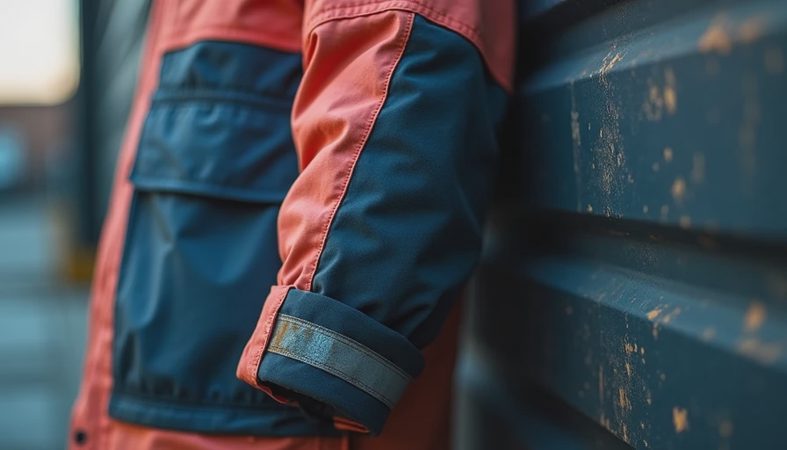
Expensive, lots of fancy features, claims of superior breathability and protection. The one everyone wants to believe in.
Field Testing First
I wore each jacket on multiple shifts in varying conditions — light rain, heavy downpours, and around engine exhaust.
The budget jacket (A) wetted out quickly and felt clammy. It also started showing abrasion damage after just a few rough days.
The mid-range jacket (B) performed better, staying drier longer and breathing reasonably well during active work.
The premium jacket (C) felt great initially — lightweight and mobile — but I noticed it softened noticeably near hot engine components.
The Barrel Test: No Mercy
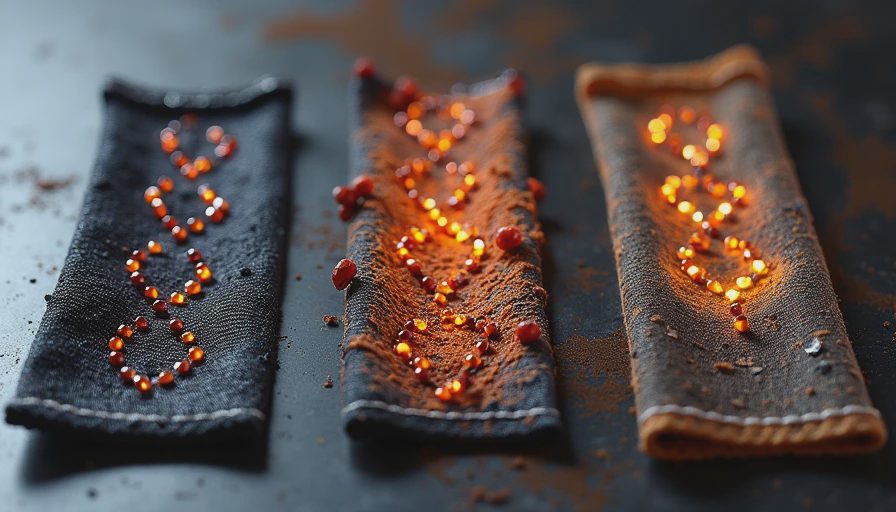
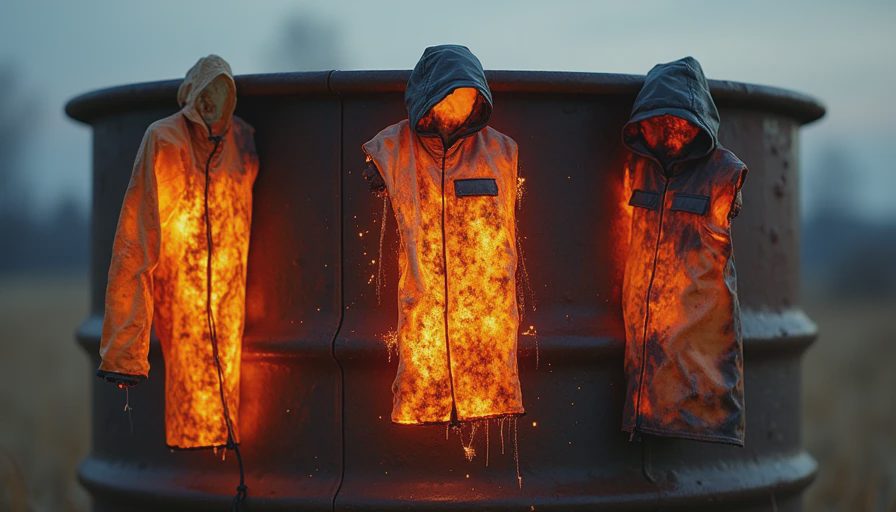
I cut comparable sections from each jacket and sent them into the barrel under controlled but realistic flame exposure.
Jacket A
Ignited almost immediately. The polyurethane coating melted and dripped. The outer shell burned away quickly. Complete failure. The label might as well have been printed with lies.
Jacket B
Charred significantly but held its basic structure longer. Some melting in the waterproof membrane, but it didn’t completely disintegrate. Better than the cheap one, but still not something I’d trust near active fire.
Jacket C
The clear winner. It charred in a controlled way, maintained integrity, and showed true flame-resistant properties in the shell fabric. The waterproof membrane took heat better than the others without dangerous melting. This was the only one that came out still looking like a functional rain jacket.
What the Results Really Mean
The biggest lesson: many “waterproof” membranes are also the weakest point in heat. Once that layer fails, the whole jacket becomes a liability.
Price correlated somewhat with performance here, but not perfectly. Some expensive jackets use fashion-focused materials that don’t handle real-world fireline conditions.
Key Features That Matter
True flame-resistant outer shell fabric (not just treatment)
Heat-resistant waterproof membrane
Reinforced high-wear areas
Proper venting so you don’t cook inside
Durable construction that survives abrasion
Recommendations Based on This Test
For most wildland crews, invest in the real thing. The premium jacket earned its keep in this test. For lighter duty or non-fire outdoor work, the mid-range option might be acceptable with caution.
Avoid the super-cheap options if you ever work near sparks or heat. They’re false economy.
The Burn Barrel Never Lies
This test confirmed what I’ve seen in the field for years. Marketing can make anything sound invincible. Fire reveals the truth.
Only one jacket walked out of the barrel still worthy of its label. That’s the one worth considering for your next purchase.
Worn in fire. Proven in dirt.