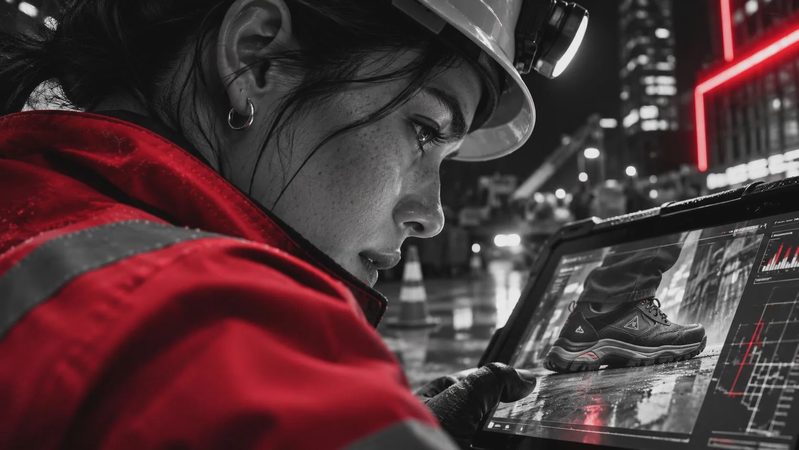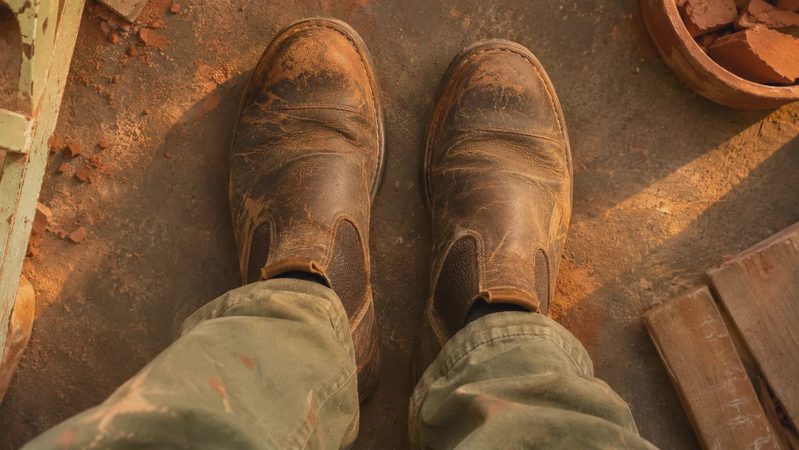
September 2018, Sawtooth Complex, hour 11. I was standing on a metal equipment box, not a roof, but the lesson was the same: a slick sole turns a small mistake into a long afternoon. Good roofing shoes are built for controlled movement, reliable traction, and enough comfort to keep your feet working after the first few hours. The wrong pair feels fine at the truck and becomes a liability once the pitch, heat, and loose granules start working against you.
I have spent years testing work boots and low shoes in dirt, rain, ash, and broken ground. Roofing creates its own punishment. Asphalt shingles shed grit, metal panels turn slick with dew, and hot surfaces expose weak glue quickly. This guide covers what I look for in roofing shoes, which features matter, and where ordinary work footwear falls short.
What Makes Roofing Shoes Different
The first requirement is predictable grip. A deep hiking tread is not automatically better because large lugs can catch on shingle edges, hold loose gravel, and make precise foot placement harder. Roofing shoes usually work best with a flatter rubber outsole, closely spaced tread, and a compound that stays flexible instead of becoming hard as a truck tire.
A low-profile design also helps. You want your foot close to the surface so you can feel a change in slope before your ankle rolls. That does not mean a paper-thin sneaker is acceptable. A useful pair needs a firm heel counter, a stable midsole, and enough structure to protect your foot from fasteners, flashing, and rough decking.
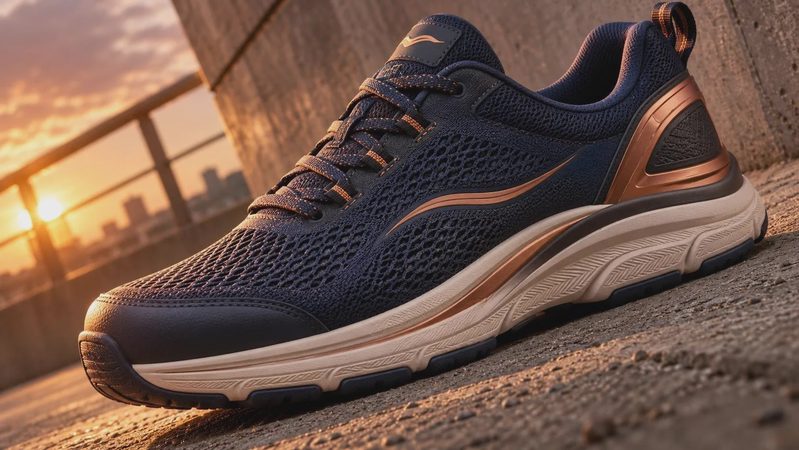
The upper matters just as much. Leather handles abrasion well, while synthetic mesh dries faster but can suffer around hot tar, sharp metal, and exposed nails. Reinforced toe panels are worth paying for. So are stitched or molded overlays at the places where your foot flexes against the roof. Roofing shoes should not look like running shoes with a black colorway; the materials need to match the work.
Traction on Shingles, Metal, and Wet Surfaces
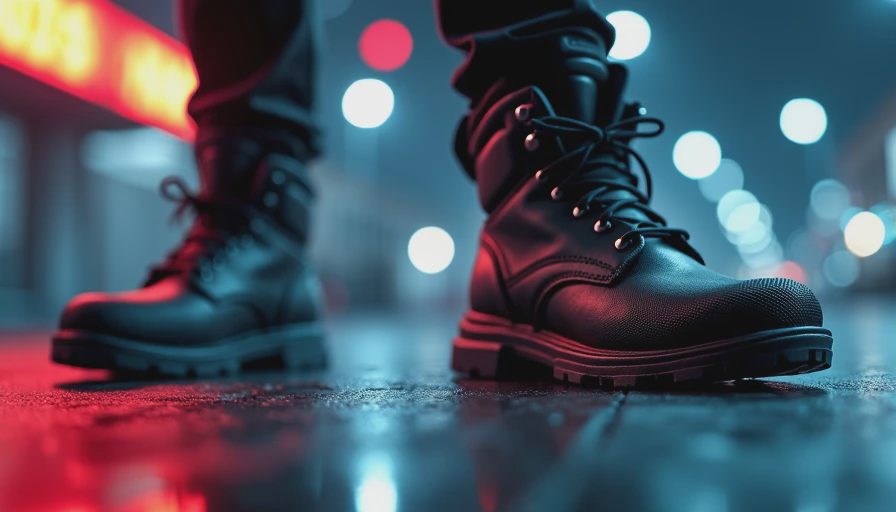
Shingles are not one consistent surface. New asphalt can feel gritty and cooperative, while older shingles become polished in high-traffic spots. Moss, morning dew, and dust change the equation again. Roofing shoes with a broad contact patch usually give better control than aggressive trail shoes because more rubber stays connected to the roof.
Metal roofing demands a different approach. Look for nonmarking rubber with fine siping, the small cuts that help an outsole conform to a smooth surface. Avoid worn soles, even if the rest of the shoe looks usable. Once the tread edges round off, your confidence can exceed the shoe's actual grip. That is how people step backward, reach too far, or slide while carrying a bundle.
Brands such as Keen, Timberland PRO, Thorogood, and Merrell make work footwear with different priorities. A Keen utility shoe often emphasizes toe protection and a roomy fit. Timberland PRO commonly offers firm support and jobsite-focused construction. Thorogood is better known for boots, but its work footwear approach favors durability. Merrell's work models tend to feel lighter and more athletic. The label matters less than the outsole you can inspect with your own hands.
No footwear can make a wet, steep roof safe by itself. Use the fall protection, ladder setup, roof brackets, and site procedures required for the job. Roofing shoes support good movement; they do not replace a harness or a sound work plan.
Fit, Support, and All-Day Comfort
A roof worker spends much of the day shifting weight. Your toes need room to spread, but your heel must stay locked down when you climb or traverse. Try roofing shoes with the socks you actually wear, preferably late in the day when your feet are slightly swollen. A thumb's width in front of the longest toe is a useful starting point, though heel movement should remain minimal.
Lacing deserves attention. A secure heel-lock pattern can stop your foot from sliding forward on a slope, while a padded tongue prevents pressure from the laces. If you use orthotic insoles, bring them to the fitting. Some factory footbeds are thin and replaceable; others consume too much volume and make a properly sized shoe feel cramped.
Weight is another tradeoff. A pair around two pounds feels easier than a four-pound boot during a long tear-off, but light construction may offer less puncture resistance and ankle protection. For residential shingle work, a firm low shoe can be practical. For demolition, framing, or areas with exposed nails, a more substantial boot is often the smarter choice.

Heat, Water, and Jobsite Abuse
A roof can become brutally hot before lunch. Dark shingles and metal panels transfer heat into the outsole, and cheap adhesives can soften or separate. I look for a sole that is bonded and stitched where possible, with an upper that does not rely on a single decorative glue line. After a hot shift, let footwear cool naturally instead of leaving it in a closed truck.
Water resistance is useful, but waterproofing has limits. A membrane can keep out rain while holding sweat inside, especially during summer tear-offs. For dry weather, a leather or breathable synthetic upper may be more comfortable. For spring work, a waterproof model earns its space when you are kneeling in wet valleys and walking across damp decking.
Clean the soles after every shift. A stiff brush removes granules and tar before they harden. Do not use gasoline or harsh solvents on the rubber; they can damage the compound and leave the shoe less trustworthy. Inspect the outsole, stitching, toe cap, and heel after each job. If the sole is separating or the tread is visibly smooth, retire the pair rather than hoping it survives one more roof.
My Practical Buying Test
Before buying roofing shoes, bend the forefoot by hand. It should flex where your toes bend, not in the middle of the arch. Twist the shoe gently. Some torsional resistance is good; a completely floppy platform gives poor support, while an immovable sole can make walking awkward. Press the heel counter. It should resist collapse without cutting into your ankle.
Then examine the tread. Fine, dense patterns are generally more useful on shingles than tall, widely spaced lugs. Check whether the rubber reaches the outer edge of the sole, where many slips begin. Look for a toe bumper that is attached cleanly and a collar that will not rub after several hours.
Price is not a perfect guide. A solid pair can land around $80 to $160, while premium waterproof or safety-toe models can run $180 or more. Spending extra makes sense when the fit is better and the sole lasts longer, not because the box uses words like tactical or extreme. If a $70 pair fits securely and has a trustworthy outsole, it has already beaten an expensive shoe that makes you hesitate on every step.
Fire Line Scale Verdict
For most residential roofing, I rate a well-fitted, flat-soled work shoe as Serviceable to Battle-Tested. It should grip clean shingles, stay comfortable through a full shift, and survive contact with ladders and decking. For metal roofs or wet conditions, choose the outsole first and the color second. A stylish shoe with a vague tread pattern belongs in the parking lot.
The barrel does not lie, but neither does a roof. Heat, grit, water, and repeated flexing expose weak construction quickly. Buy roofing shoes for the surface under your feet, inspect them like safety equipment, and replace them before the tread becomes a memory. Worn in fire. Proven in dirt.