The most comfortable steel toe shoes are the ones that fit your feet and meet your site’s safety rules, not the pair with the thickest-looking cushion. For a place to start, look at the Timberland PRO Powertrain for athletic-shoe styling on indoor shifts, KEEN Utility Pittsburgh for workers who prefer a boot with more coverage, and Caterpillar Second Shift for a traditional lace-up work boot. Each line includes steel-toe options, but check the exact listing and label before ordering: similar-looking versions can have different toe protection.
These are starting points, not field-test verdicts. I haven’t put these specific models through the shifts needed to call one the winner. What I can tell you is how to narrow the field before you spend a day regretting your choice on concrete.
Most comfortable steel toe shoes: Three places to start
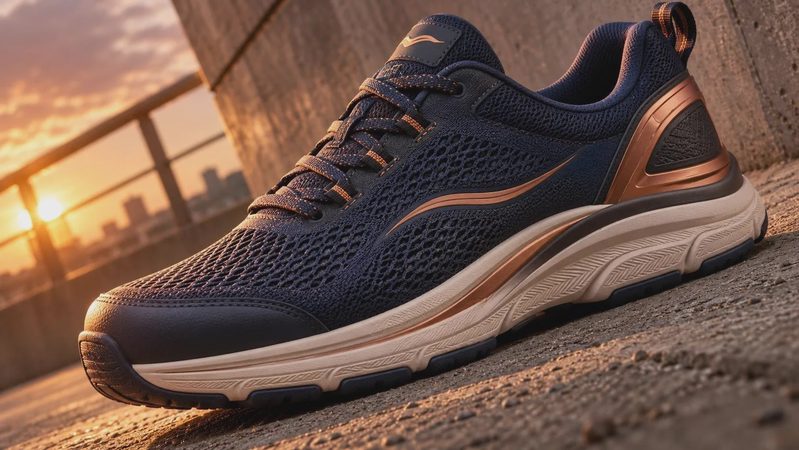
Timberland PRO Powertrain is worth a look if your work is mostly indoors and you want something closer to a low-cut athletic shoe than a heavy boot. That lower cut gives the ankle more freedom, but it also leaves less coverage than a boot. Check the exact version for the protective-toe marking and any slip-resistance or electrical-hazard designation your employer requires.
KEEN Utility Pittsburgh is a better direction if you want a taller work boot for mixed indoor and outdoor duties. A boot can offer more coverage around the ankle and help keep loose debris out, though the extra bulk may feel less nimble on a warehouse floor. Check that the steel-toe version is available in your size and that its outsole suits the surfaces underfoot.
Caterpillar Second Shift is a place to start if you prefer a conventional work-boot shape and laces over a sneaker-style shoe. It’s a candidate for general trade work where a traditional boot is allowed, not an automatic answer for every site. Compare the exact model’s safety markings and try it on before assuming the fit will suit you.
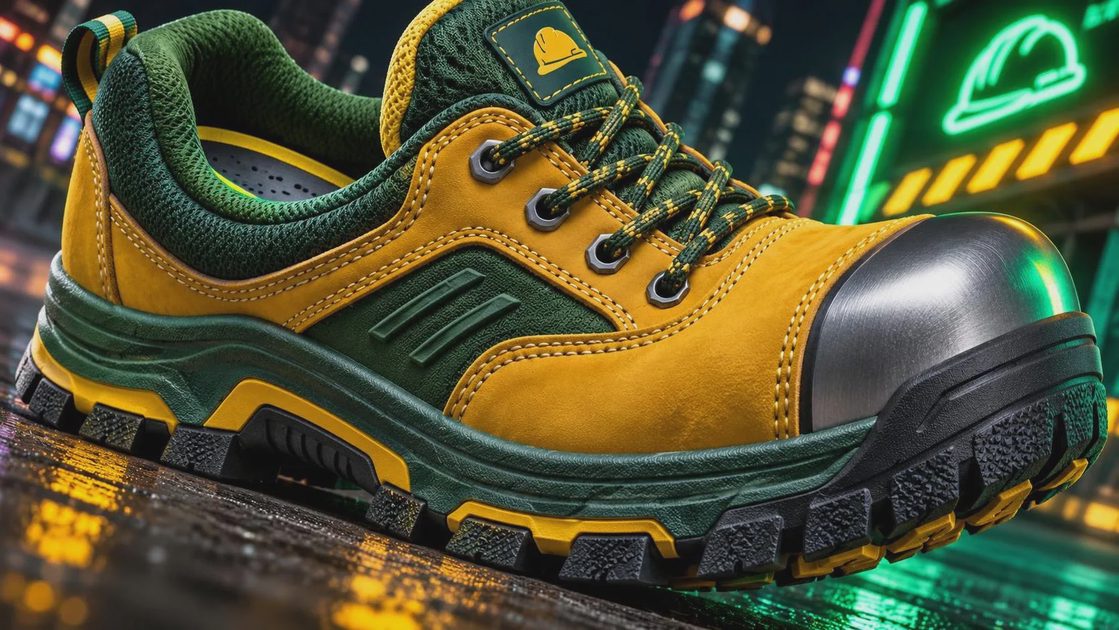
None of these names guarantees comfort. A roomy toe area helps one worker and lets another slide around. If you can, try more than one shape in the same afternoon, wearing the socks you use on shift. Availability and pricing vary, so compare the actual sizes and versions on the shelf rather than a headline sale price.
Get the toe box and heel right
Stand up when you check the fit. Your toes should have room to move without pressing the protective cap, and the widest part of your foot should sit comfortably in the widest part of the shoe. Walk downhill on a ramp if the store has one. If your toes hit the front, that problem is unlikely to improve after a long shift.
Pay attention to the edge of the cap, too. Pressure across the top or side of your toes is a warning sign. Leather may soften with wear, but the steel cap won’t stretch to accommodate your foot. Try a wider size or a different shape instead of betting on a painful break-in.
At the other end, some heel movement can occur in a new boot, but repeated rubbing is asking for a blister. Lace the shoe as you would at work and walk briskly, climb a step, and squat. Your heel should feel held without the laces crushing the top of your foot. A longer shoe is not necessarily the answer to a width problem.
Try footwear later in the day, when your feet may be closer to their working size. Bring your usual work socks and any insoles you plan to use. Thick socks and aftermarket inserts take up space; together they can turn an acceptable fit into pressure under the toe cap.
Match the sole and safety label to the job
For long hours on concrete, look for a stable platform with enough cushioning that your feet don’t feel every step. Softer isn’t always better: an overly squishy sole can feel unstable when you carry a load or stand on uneven ground. Bend and twist the shoe in your hands, then walk in it. You’re looking for a balance that feels supportive without fighting your stride.
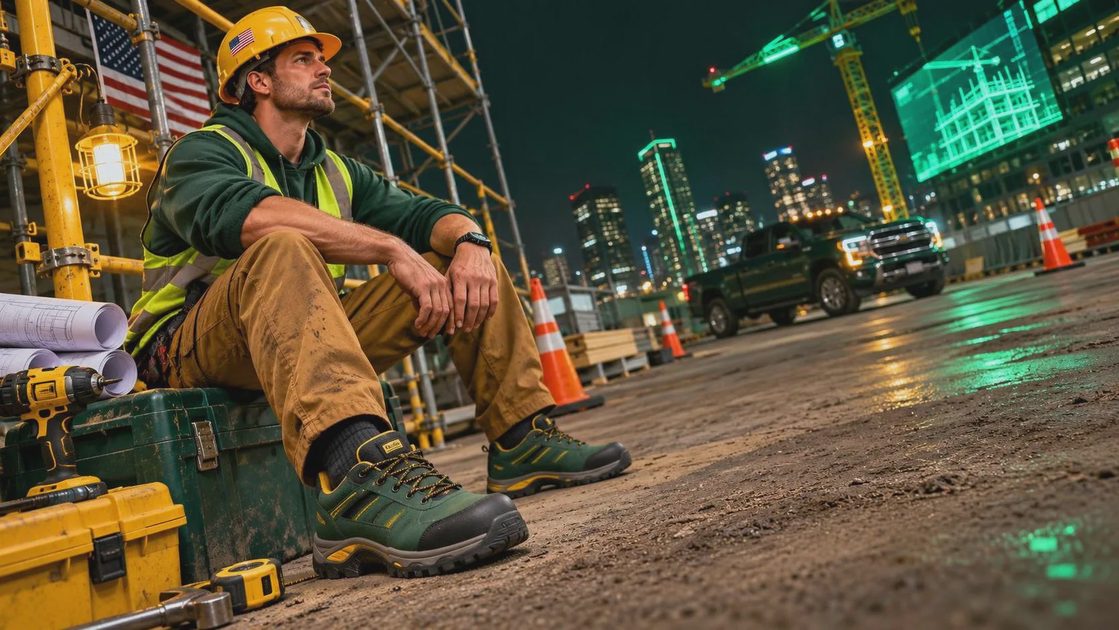
On mud, gravel, or loose dirt, examine the tread. Wider-spaced lugs may clear debris better than a nearly flat sole, while a more compact tread can be easier to clean and comfortable on smooth floors. For oily or wet surfaces, look for the employer-required slip-resistant rating or specification. No outsole eliminates the risk of a fall, and a worn or contaminated sole can lose traction.
Read the label inside the footwear, not just the product-page title. In the United States, protective footwear is commonly marked for ASTM F2413, with codes identifying the protections a particular pair meets. Impact and compression protection are different from electrical-hazard or puncture-resistance designations. If your workplace requires a specific marking, compare it directly with the label on the pair you’re buying.
Steel toe means a steel protective cap; it does not mean the whole shoe is puncture-resistant, waterproof, or approved for electrical work. Likewise, a composite-toe version of a comfortable model is not a substitute if your employer specifically requires steel. Ask the safety lead when the written requirement is unclear.
Break-in, insoles, and when to move on
Start with short periods indoors where the retailer’s return policy allows it. A little stiffness in leather may ease, but sharp pressure on the cap, numb toes, or a heel that rubs raw are reasons to stop. Don’t take a questionable pair straight onto a full shift and hope your feet surrender first.
An insole can change arch support and cushioning, but it also changes the fit. Remove the existing insert if the manufacturer permits it, then check toe clearance again with the replacement. Don’t stack inserts until the cap presses on your foot. If you rely on a protective-footwear certification, check the manufacturer’s guidance before modifying the shoe.
Replace footwear when the sole is badly worn, the upper no longer holds your foot securely, or the protective toe or surrounding material is damaged. Follow your employer’s inspection rules after an impact, even if the outside looks mostly intact. If pain or numbness continues across different well-fitting pairs, get it checked by a qualified clinician rather than buying another insole and pushing through.
The best buy is the pair that passes the label check, fits without pressure, and suits the ground you actually work on. Start there, and leave the marketing claims on the shelf.