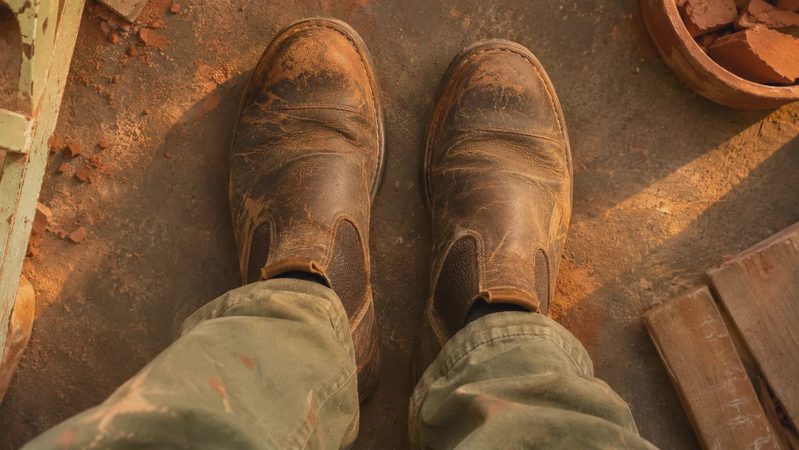
September 2018, Sawtooth Complex, hour 11: my boots were full of dust, my socks were wet, and every rock on the slope felt sharper than the last. That is when I learned what the best steel toe boots have to do. They cannot just pass a compression test on a factory sheet. They need to hold your heel, protect your toes, shed water, and keep working after a long shift on bad ground.
I have spent enough seasons in work boots to know that no single pair fits every job. A concrete finisher needs different support than a ranch hand. A lineman may prioritize electrical hazard protection, while a trail worker needs traction and a boot that does not punish his feet on a 15-mile day. The recommendations below start with the practical details that matter after the first week, not the marketing language on the box.
What separates the best steel toe boots from average pairs
Start with the toe cap, but do not stop there. Steel provides dependable impact and compression protection, and it remains a sensible choice for construction, fabrication, logging, and equipment work. It is heavier than composite protection and can feel colder in winter. That weight is not automatically a problem, but a poorly shaped cap can press against your toes and ruin a shift by lunch.
The upper should match the work. Full-grain leather usually takes more abuse than thin split leather or casual synthetic material. Look for double stitching around the toe and quarters, a gusseted tongue to keep out gravel, and a heel counter that does not collapse when you lace up. A Goodyear welt can improve long-term repairability, although a well-built cemented boot can be lighter and more comfortable straight from the box.
The sole is where many boots tell on themselves. Deep rubber lugs help on mud and loose soil, but an overly aggressive tread can feel clumsy on ladders or smooth concrete. For indoor trades, a flatter slip-resistant outsole often makes more sense. Check the heel edge, too. A defined heel helps on ladder rungs, while a wedge sole spreads pressure across hard floors.
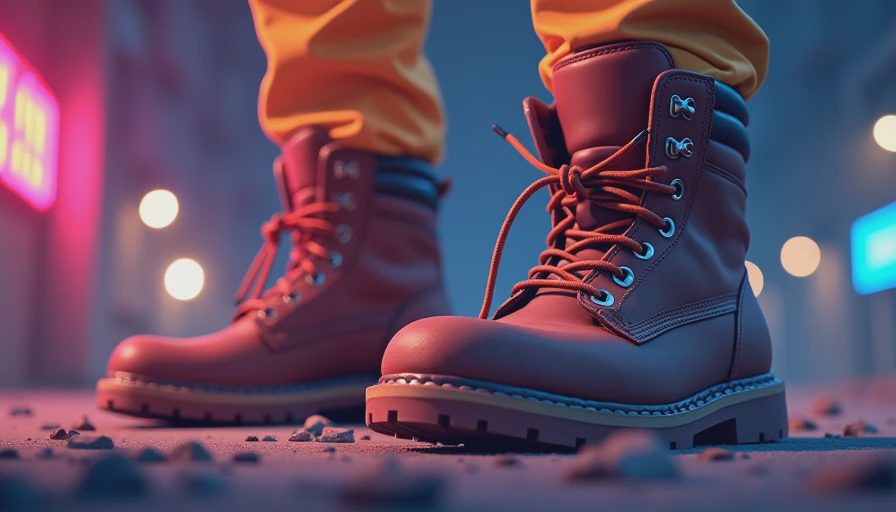
Best steel toe boots for construction and shop work
For concrete, framing, warehouse work, and equipment repair, I look for a stable platform before I look for a famous logo. The Thorogood American Heritage 6-Inch Moc Toe is a common reference point because its wedge sole is comfortable on hard floors and its construction is familiar to work-boot repair shops. It is not the boot I would choose for deep mud or steep scree, but it makes sense for a carpenter or mechanic who spends most of the day on firm surfaces.
The Red Wing Traction Tred Lite offers a similar work-focused idea with a lighter feel and a supportive upper. Red Wing prices can push past $250, so it needs to fit correctly before you commit. Keen Utility models often give workers a roomier toe shape, which is useful when feet swell during a 10-hour shift. Their composite options are worth considering when cold steel inside the toe is a real issue.
Do not confuse comfort with softness. A boot that feels like a sneaker in the store can let your foot slide under a load. Walk stairs, squat, and stand on one foot while trying on a pair. Your heel should lift only slightly, and your toes should not touch the cap when you walk downhill.
Best steel toe boots for outdoor crews and ranch work
Outdoor work demands more than toe protection. You need a sole that bites, leather that handles wet grass and brush, and enough ankle support to keep a loaded foot from folding on uneven ground. The best steel toe boots for this use are usually taller and more structured than shop boots, though extra height adds weight and takes longer to break in.
The Danner Quarry is built around that traditional work-boot approach. Its lugged outsole and substantial leather make it a reasonable choice for utility work, ranch chores, and rough job sites. It can feel stiff during the first several shifts, so wear it around the house with the socks you actually use before taking it into the field. Georgia Boot and Carolina also offer practical logger and work styles at prices that often land below premium Pacific Northwest brands.
For wildland fire, be careful with the word steel. Many agencies require specific wildland boots with defined heights, leather construction, and lugged soles, and a standard hardware-store steel toe boot may not satisfy the requirement. A toe cap can also be unnecessary or unsuitable for certain fire assignments. Follow your employer's boot standard first. No reviewer's favorite pair outranks a safety requirement.

Fit, socks, and break-in procedure
Most boot failures begin with a bad fit, not a bad brand. Shop late in the day when your feet are at their largest. Wear your normal work socks, including wool or cushioned socks if that is what you use on shift. Measure both feet and fit the larger one. You want firm heel retention, room to wiggle your toes, and no pressure along the sides of the steel cap.
Break boots in gradually. On day one, wear them for two or three hours on clean surfaces. On day two, add stairs and a short walk. By the third or fourth wear, you should be able to complete half a shift without hot spots. Do not soak leather boots in water and walk until they soften. That can damage adhesives, pull stitching, and create a shape that does not suit your foot. Use leather conditioner sparingly and let wet boots dry away from direct heat.
If your heel slips badly after lacing, the boot may be the wrong last rather than simply too loose. If your toes hit the front on descents, size up or choose another shape. Thick insoles can improve cushioning, but they cannot fix a cap that is too short.
Safety details worth checking before purchase
Look for the ASTM F2413 marking when you need protective toe footwear. Depending on the job, you may also need electrical hazard protection, slip resistance, metatarsal protection, or puncture-resistant construction. These are separate features, not automatic benefits of having a steel toe. A boot labeled waterproof may use a membrane that keeps out rain but traps sweat during summer work, so consider ventilation and drying time.
Replace boots when the outsole is smooth, the tread is separating, or the upper no longer holds your heel. A cracked sole can let water in and change your footing before the damage looks dramatic. If the toe cap becomes exposed after abrasion, retire the pair. Saving $80 on another season is a poor trade for a boot that no longer protects the part you bought it to protect.
The field verdict on the best steel toe boots
For hard indoor surfaces, I would start with a comfortable wedge-sole model such as the Thorogood American Heritage or a comparable Red Wing. For mud, slopes, and outdoor utility work, I would move toward the Danner Quarry or a similarly structured lugged boot. For a wide forefoot, try Keen Utility before forcing a narrow traditional shape. Prices commonly run from about $140 for basic work pairs to more than $300 for premium rebuildable boots, and the most expensive option is not automatically the best fit.
Buy for the ground, shift length, and safety rules in front of you. Try boots on with real socks, test the heel on stairs, and give your feet time to report trouble before the first serious assignment. The best steel toe boots disappear into the job: no hot spots, no sliding heel, no slipping sole, and no surprise failure when the day runs long.
The Fire Line Scale: Serviceable to Battle-Tested, depending on fit and job. The barrel does not lie, and neither do your feet after hour ten. Worn in fire. Proven in dirt.