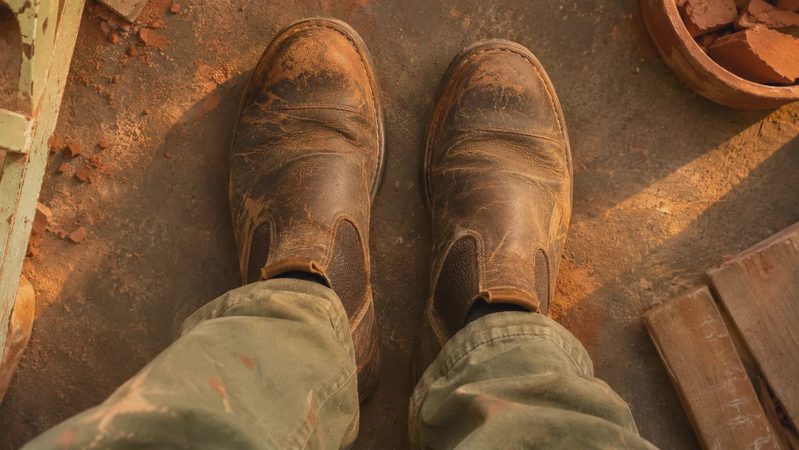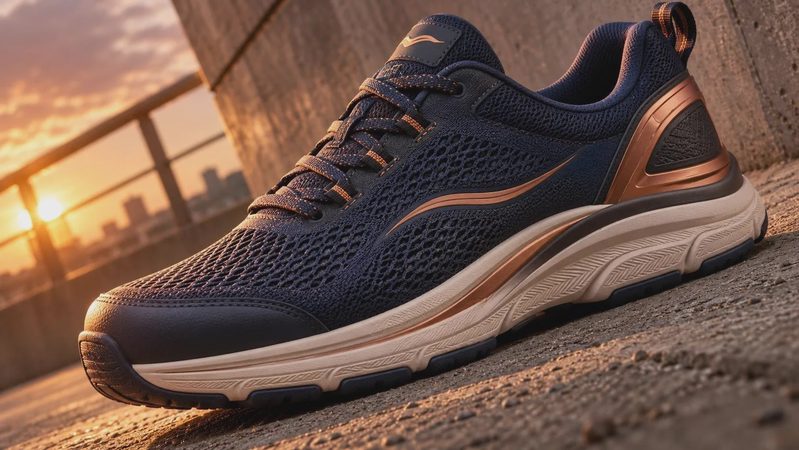
September 2018, Sawtooth Complex, hour 11. My boots were full of ash, my socks were wet, and every step across the blackened slope found another sharp limb. That is where I learned that the best safety toe work boots are not judged by a shiny catalog photo. They earn the name through fit, protection, traction, and what remains after ten hours on rough ground.
A good pair should protect your toes from falling tools, rolling material, and compression without turning your feet into two hot boxes. It should hold an edge on wet steel, muddy access roads, and loose rock. It should also survive the abuse that comes with ladders, truck beds, sawdust, concrete dust, and repeated kneeling. Here is what I look for before putting money down.
Start with the safety standard, not the marketing
In the United States, safety footwear is commonly tested under ASTM F2412 and ASTM F2413 standards. Those standards cover impact and compression performance, while additional markings can identify electrical hazard protection, metatarsal protection, or resistance to punctures. Look inside the boot or on the product page for actual markings instead of trusting phrases such as “industrial strength.”
Steel toes remain the familiar choice. They are durable, generally affordable, and often provide a slim profile. Composite toes use materials such as carbon fiber, fiberglass, or plastic. They weigh less in some designs and do not conduct cold as readily, which matters on winter jobs or long trail assignments. Aluminum toes can save space and weight, but their benefits depend heavily on the boot’s interior shape.
A safety toe is not a substitute for paying attention. It will not stop every crushing injury, and it does not make a boot suitable for chainsaw work unless the boot carries the separate protection required for that job. Match the boot to the hazard list your employer gives you.

How the best safety toe work boots should fit
Fit decides whether a protective boot becomes useful equipment or an expensive punishment. Try boots on late in the day, when your feet have expanded. Wear the socks you use at work. Your toes should not touch the cap, even when walking downhill, and your heel should stay planted without needing the laces cinched until the eyelets complain.
Check the widest part of your foot against the boot’s flex point. If the boot bends behind your toes, the shape is wrong for you. A toe cap can feel comfortable in a store and become painful after six miles because the interior has no room for natural swelling. Walk stairs, squat, and kneel before deciding.
Danner, Thorogood, Red Wing, Keen Utility, and Timberland PRO all offer different lasts and toe shapes. That does not mean one brand is universally better. A wide-footed worker may prefer Keen Utility’s roomier feel, while someone who likes a traditional wedge sole may favor Thorogood or Red Wing. The best pair is the one that fits your foot without requiring a break-in injury.
Match the boot to the work surface
For concrete floors, warehouse aisles, and framing sites, a flat wedge sole can feel stable and reduce pressure under the heel. Thorogood’s moc-toe work boots are popular in that category because the broad sole spreads contact across hard surfaces. They are less convincing in deep mud, steep loose slopes, or ground covered with wet needles.
For ranch work, utility construction, and outdoor crews, look for a defined heel and a lugged rubber outsole. Vibram outsoles appear on many serious work boots, but the logo alone does not tell you the tread compound or pattern. Deep lugs shed mud better, while tighter patterns walk more quietly and predictably on pavement. A boot with aggressive tread can still slip on smooth wet steel if the rubber is too hard.
Electrical hazard-rated footwear is designed to reduce the chance of providing a conductive path under specified conditions. It is not a guarantee against every electrical danger. It also does not replace lockout procedures or safe approach distances. Read the full marking and keep the work hazard in charge.
Waterproofing, heat, and daily punishment
Waterproof membranes help during rain, snow, and wet grass, but they can also hold heat. A lined boot may be comfortable on a cold February shift and miserable in August. If your work involves creek crossings or persistent rain, a waterproof model such as a Danner Quarry or Keen Utility Cincinnati can make sense. If you mostly work indoors or in dry summer country, unlined leather may breathe better and dry faster.
Leather needs maintenance. Brush off grit, let the boot dry away from direct heat, and use a conditioner suited to the leather. Do not put soaked boots against a woodstove or blast them with a heat gun. I have watched leather shrink, adhesives soften, and soles curl from that shortcut. Replacement insoles are cheaper than replacing a boot, and they can restore comfort after a season of hard use.
The best safety toe work boots should also leave enough room for a winter sock without making your heel lift. Buy for your real working conditions, not the temperature inside a carpeted store.
Models worth putting on your short list
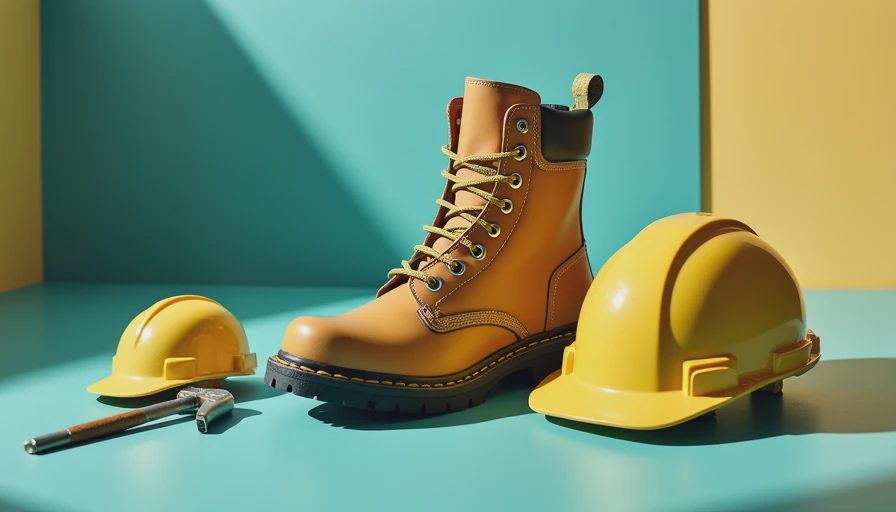
Thorogood American Heritage boots are a strong option for workers who spend most of the day on concrete, wood framing, or finished floors. Their wedge soles are comfortable for many users, but they are not my first pick for steep mud or loose mountain ground. Expect many models to land around $250 to $300.
Danner Quarry boots suit workers who need a tougher lugged platform and a waterproof option. They are substantial, often priced near $280 to $330, and can feel stiff until the leather settles. That weight is a fair trade for some outdoor crews, but not for every warehouse shift.
Keen Utility offers several safety toe shapes with a more athletic feel. Prices often sit around $140 to $220, making the brand useful for workers who need comfort without jumping straight to premium pricing. Timberland PRO occupies a similar broad range, with many choices for concrete, maintenance, and general construction.
Red Wing’s heritage and work lines can be excellent, but they are not interchangeable. A heritage boot may have the leather and construction you want while lacking the safety rating your job requires. Confirm the exact model, not just the brand name. The best safety toe work boots are selected by model number, toe rating, sole, and fit together.
A five-minute inspection before you buy
First, confirm the ASTM marking and the required protection for your job. Second, check whether the toe cap squeezes your little toe or touches your big toe when walking downhill. Third, twist the boot lightly: it should resist collapse without feeling like a ski. Fourth, inspect the outsole for a pattern suited to your ground. Finally, look at the return policy and wear the boots indoors before scuffing them.
After the first week, inspect the welt, eyelets, heel counter, and outsole edges. Loose stitching is easier to address early. A boot that creates a hot spot after two hours will usually create a blister after ten. Do not confuse stubborn break-in with a bad fit.
For most outdoor trades, I would spend roughly $180 to $300 on a properly fitted pair, then budget for quality socks and replacement insoles. The cheapest option is not cheap if it forces a missed shift or a foot problem. At the same time, a $400 boot is not automatically better. The barrel does not lie, and neither does a boot that still fits after a full season.
My Fire Line Scale puts a well-fitted, correctly rated pair with suitable traction at Battle-Tested. A comfortable boot with the wrong sole is only Serviceable. Before ordering, compare the hazard, terrain, weather, and your actual foot shape. That process will lead you closer to the best safety toe work boots than any five-star product badge. Worn in fire. Proven in dirt.