The first thing to understand about dr airwair martens steel toe boots is that the name covers more ground than one exact boot. Dr. Martens uses AirWair for its recognizable air-cushioned sole system, while its Work line includes different safety models, materials, toe caps, and slip-resistant soles. That matters when your day includes rebar, wet concrete, a ladder, or twelve hours walking between trucks.
I have worn plenty of boots that looked tough under fluorescent store lights and felt like punishment by lunch. A work boot earns its place through fit, protection, and how it behaves after the first week. These boots can make sense for warehouse work, light construction, shop duty, and general utility use. They are not automatically the right answer for logging, wildland fire, climbing steel, or any job requiring a specific ASTM rating. The label and model number do the deciding, not the yellow stitching.
What the AirWair name actually tells you
AirWair primarily describes the sole construction and brand identity. It does not, by itself, prove that a boot has a steel toe, electrical hazard protection, puncture resistance, or a defined slip rating. A pair of casual Dr. Martens with an AirWair sole is not a safety boot simply because it resembles one. The work version needs a safety toe and the appropriate markings on its tongue, box, or product documentation.
When shopping for dr airwair martens steel toe models, start with the exact model name. Look for language identifying a steel toe or another safety toe, ASTM compliance where applicable, oil or slip resistance, and any electrical hazard rating. A composite toe can be lighter and less conductive, but it still has to be rated for the hazards on your job. If a listing only says “industrial style,” put it back on the shelf.
The sole can be comfortable for walking on hard floors, and the familiar welted appearance handles ordinary scuffs better than a thin fashion sneaker. Still, a cushioned sole is not the same as a supportive work-foot platform. A heavy boot that bends in the wrong place can leave your arches and knees complaining before the shift ends.
Fit is where these boots win or lose
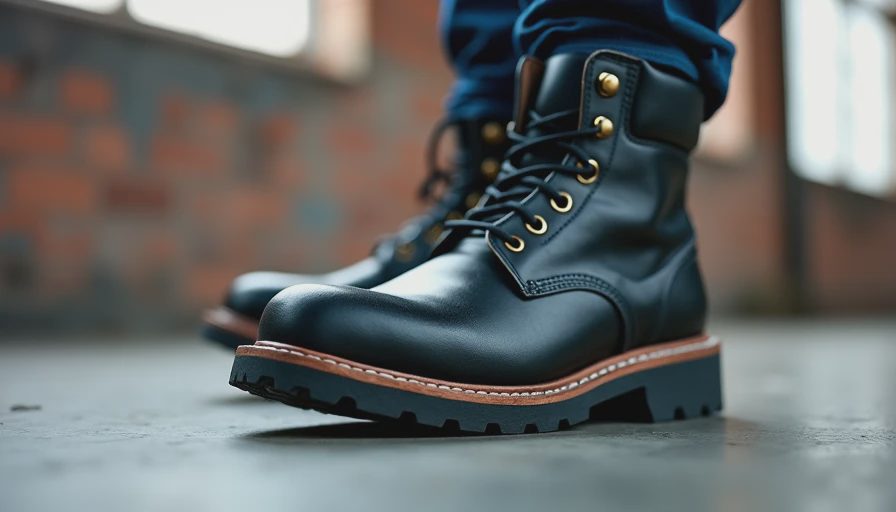
The toe box needs enough room for your toes to spread without letting your heel lift. Steel toe caps do not stretch like leather, so do not buy a tight pair expecting break-in to solve everything. Try them on near the end of the day, when feet are larger, with the socks you actually wear. Walk down a ramp or stair if the store allows it. Your toes should not strike the cap, and your heel should stay planted when you bend forward.
For dr airwair martens steel toe buyers, sizing deserves extra attention because Dr. Martens lasts can feel different from traditional American work boots. Some feet settle into them quickly; others find the heel, instep, or toe shape wrong from the start. A thick merino sock can improve comfort in cold weather, but it cannot repair a narrow fit. If you need custom orthotics, remove the factory insole and confirm there is enough interior volume before committing.
Expect a break-in period with full-grain or coated leather. Blisters at the heel are common when a stiff collar meets thin socks. Use a proper bandage before the hot spot becomes an open wound, and rotate the boots with another pair during the first week. No job-site boot should require you to suffer through damaged skin to prove toughness.
Protection for actual job-site hazards
A steel toe protects against certain impact and compression hazards at the front of the foot. It does not protect the ankle, shin, metatarsals, or the rest of the foot from every threat. A falling cinder block, a rolling pallet, and a dropped hand tool do not create the same force. Match the boot to the hazard assessment your employer uses.
If you work around live electrical systems, verify the electrical hazard rating rather than assuming every safety toe boot has one. If your work involves nails, scrap metal, or demolition debris, look for puncture-resistant construction. For kitchens, landscaping, fuel areas, and wet loading docks, outsole traction and chemical resistance may matter more than the toe cap. The correct pair is the one that answers the specific problem in front of you.
The phrase dr airwair martens steel toe often leads shoppers toward style first, but a clean silhouette cannot replace certification. Photograph the inside label before removing tags. Keep the box until you have checked the boot against your employer’s requirements and return policy.
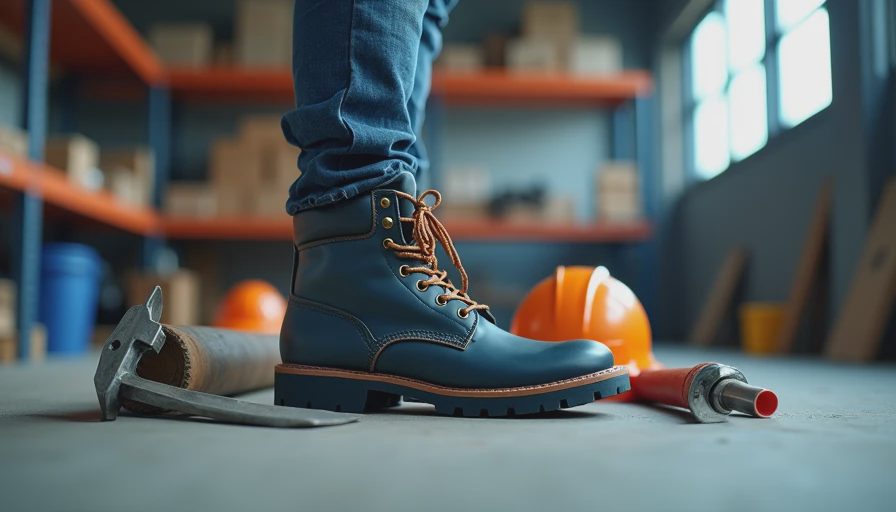
Where they fit in a work boot rotation
I would place a properly rated pair in the light-to-moderate duty part of a rotation. They can be useful for shop work, deliveries, retail stockrooms, fabrication areas, and urban construction where you spend much of the day walking on pavement or concrete. The AirWair cushioning may feel better than a rigid wedge sole for some workers, particularly when the main complaint is hard flooring.
For dr airwair martens steel toe boots, the limitation is not appearance; it is specialization. A lineman climbing poles, a concrete finisher standing in slurry, or a sawyer working around falling timber may need a boot built around climbing support, waterproofing, aggressive lug depth, or a defined logging standard. A boot can be durable and still be wrong for that assignment. I would not send a fashion-forward safety boot onto a fire line where heat, embers, and rough ground demand purpose-built protection.
A second pair also changes the equation. Rotating boots gives leather and lining time to dry, and it reduces the temptation to wear a damp boot into another long shift. Spend less on a second pair of proven work boots than on one expensive pair that never fits correctly.
Alternatives worth comparing before purchase
If you want a classic work boot with broad job-site support, compare models from Red Wing, Thorogood, Keen Utility, Timberland PRO, and Wolverine. Red Wing and Thorogood often appeal to workers who prioritize rebuildable construction and traditional leather uppers, though prices commonly reach the $200 to $350 range. Keen Utility and Timberland PRO offer many toe, waterproof, and traction combinations, often between roughly $100 and $220. Wolverine has practical options for general industrial work and daily walking.
The comparison should cover more than brand loyalty. Check toe type, outsole compound, waterproof membrane, shank or flex pattern, heel height, return period, and actual weight. A lighter composite-toe boot can reduce fatigue, while a steel toe may suit a cold indoor warehouse better than a conductive outdoor site. Read the product page like a safety document, not a catalog photograph.
A five-minute inspection before your first shift
Before wearing dr airwair martens steel toe boots to work, inspect the stitching, welt, eyelets, tongue, and sole bond. Flex each boot by hand and look for premature separation. Put them on with work socks and check for pressure over the cap, heel movement, and rubbing at the collar. Walk on a smooth floor, then a rough surface, and listen for squeaking or unstable sole contact.
Confirm the markings match the online description. Test the laces and eyelets, because a broken lace system can turn a good boot into a loose hazard. Apply leather conditioner only if the manufacturer permits it; heavy oils can affect some finishes and membranes. Do not drill, cut, or modify the toe area. That can compromise the protection you bought.
My Fire Line Scale rating for this category is Serviceable when the exact model carries the required safety markings and fits correctly. It moves toward Battle-Tested for the worker whose hazards are moderate and whose feet agree with the last. It is not Barrel-Ready by default, and no marketing phrase changes that. Buy by certification, fit, and assignment first. Let the style come last. Worn in fire. Proven in dirt.