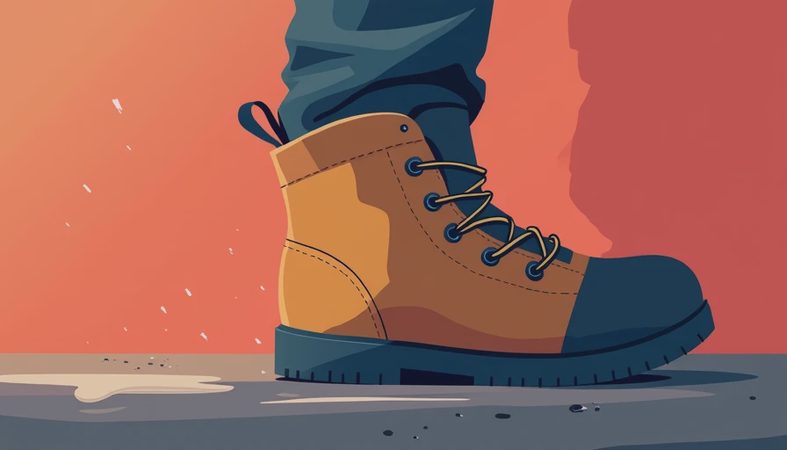
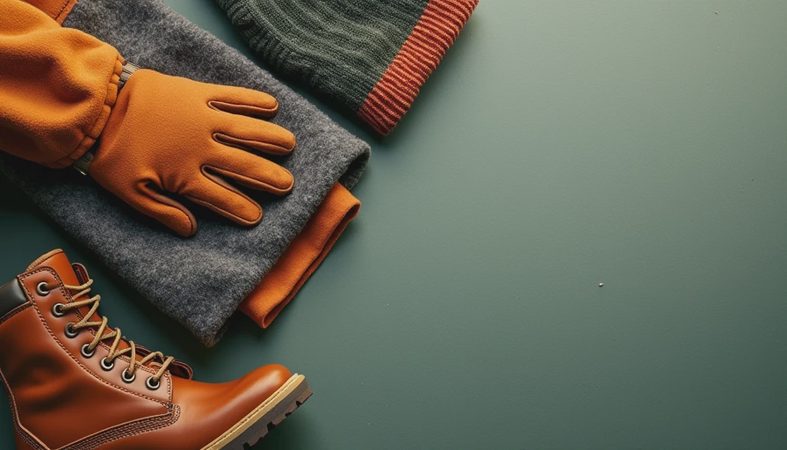
September 2018, Sawtooth Complex, hour eleven. My old boots had a tall heel, a narrow toe box, and enough trapped grit to sand my heels raw. That was the day I started paying attention to zero drop work boots. The idea is simple: the heel and forefoot sit at roughly the same height. The result is a more level stance and, in the right boot, better contact with the ground. The wrong pair can leave your calves barking before lunch.
This is not a call to throw traditional logger boots in the stove. Heel elevation has a purpose on ladders, steep slopes, and some climbing systems. But for concrete floors, trail crews, warehouse shifts, carpentry, and long days walking uneven ground, a level platform deserves a fair test. I have worn boots through mud, slash, gravel, and long shop days. Here is what the spec sheet leaves out.
What zero drop actually changes
Zero drop describes the difference in height between the heel and the ball of the foot. It does not automatically mean a soft, flexible shoe, a wide toe box, or a minimalist sole. A boot can have a level platform with a stiff shank, a thick lugged outsole, or a durable leather upper. Those are separate design choices.
The main change is posture. A raised heel can encourage the ankle to sit forward, while a level sole lets the foot rest more naturally. Some workers feel less pressure under the toes and more stable contact on flat ground. Others notice their Achilles tendon and calves working harder during the first week. That adaptation is real. If you have spent ten years in boots with a one-inch heel, switching overnight is a good way to make stairs unpleasant.
Start with short wear periods. Use the boots for an hour at home, then a half shift, then a full day. Keep your old pair in the truck for the first week. Soreness is a warning to slow down, not proof that the boot is building character.
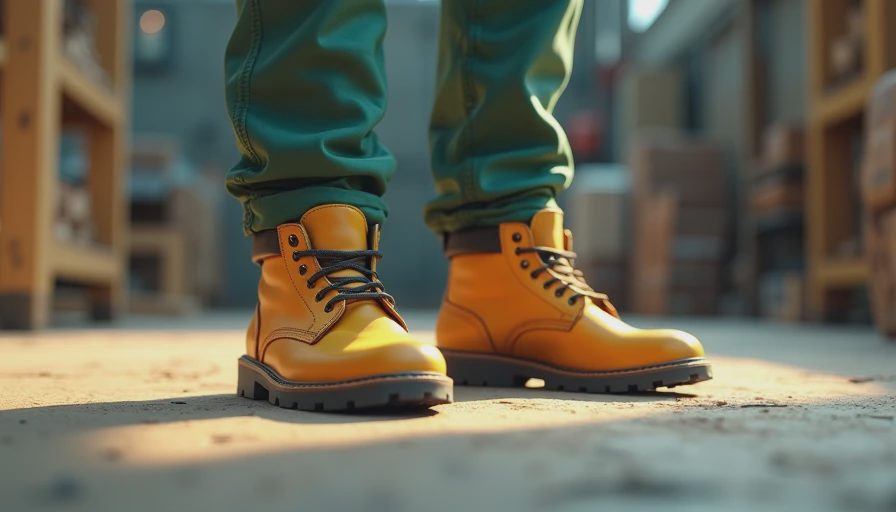
Fit matters more than the label
The best zero drop work boots give your toes room to spread without letting your heel swim. Stand in them near the end of the day, when feet are slightly larger. Your longest toe should sit about a thumb-width from the front, and your heel should stay planted when you walk downhill. Lace the boot firmly across the instep, but do not crush the top of your foot.
Try the actual socks you wear on the job. A thick wool sock can take up a surprising amount of volume, while a thin synthetic sock can expose a loose heel. Walk on stairs, squat, and kneel. If the leather folds into your ankle bone, the boot shape is wrong for you. No amount of break-in fixes a bad last.
Width is equally important. Brands such as Altra are known for roomy forefoot shapes, while models from Lems and Jim Green vary by design and sizing. Read the individual model measurements instead of assuming every boot from one brand fits the same. A broad toe box is useful only when the heel and midfoot remain secure.
Soles, materials, and job conditions
A level sole does not tell you whether the boot will survive your worksite. Look at the rubber compound and lug pattern. Deep, widely spaced lugs shed mud on trail work but can feel clumsy on polished concrete. A flatter outsole rolls more quietly in a shop and usually gives better contact on ladders, though it can pack with wet clay.
Leather still earns its place around abrasion, brush, and rough lumber. Full-grain leather can take repeated scuffs and often becomes more comfortable as it molds to the foot. Suede is lighter but less forgiving around standing water and oily grime. Waterproof membranes help in wet grass and rain, but they can turn a boot into a sweat box during hot summer shifts.
For construction or utility work, inspect the toe protection, electrical hazard rating, and sole resistance claims. ASTM ratings are useful only when they match the hazard. A soft, flexible boot is not the choice for every situation, especially where a puncture-resistant plate, defined heel, or formal safety toe is required.

Where these boots work best
Zero drop work boots make the most sense when you spend many hours walking or standing on surfaces that reward stable contact. Trail maintenance, landscaping, ranch chores, warehouse work, light construction, and shop work are common fits. The level platform can also feel good for carrying moderate loads over rolling ground, where a tall heel is not helping you climb.
They are less obvious for steep logging terrain, roof work, or jobs that demand a pronounced heel for edging. A defined heel can catch on a rung and keep the foot from sliding forward. Fireline work also deserves caution. A boot must meet the required heat, puncture, shank, and protection standards before comfort enters the discussion. A level sole is not a substitute for job-rated construction.
Think about the ground under your feet for eight hours, not the boot on a product photograph. Concrete rewards cushioning and a stable outsole. Wet duff rewards traction and drainage. Loose rock rewards a secure upper and torsional support. Match the boot to the dirt.
A practical buying checklist
Before spending $120 to $300, check six things. First, confirm the measured heel-to-toe drop rather than trusting the word minimalist. Second, measure both feet and fit the larger one. Third, check whether the safety toe leaves room for thick socks. Fourth, bend the boot at the forefoot and twist it gently; it should flex where your foot does without folding like a slipper. Fifth, examine the outsole edge for a clean bond and solid stitching. Finally, confirm the return policy before wearing the pair outside.
A useful test is a three-shift trial. Shift one should be easy walking and standing. Shift two should include stairs, kneeling, and the surfaces you actually work on. Shift three should expose pressure points, heel slip, and hot spots. If your feet hurt in one precise place each day, do not call it break-in. That is evidence.
For a first pair, choose a model with moderate cushioning and a durable rubber outsole rather than the thinnest sole available. You are changing geometry already; there is no prize for adding unnecessary punishment.
My field verdict
Zero drop work boots are not magic and they are not a universal replacement for traditional work boots. They are a tool for workers who want a level stance, more toe room, and direct ground contact. They reward patience during the transition and discipline when matching protection to the job.
I would rate a well-fitted, properly rated pair Battle-Tested for shop work, trail chores, and long days on mixed ground. I would rate an untested minimalist pair only Acceptable until it survives your actual shift. The barrel does not lie, but neither do sore calves, loose heels, or a sole that peels after a wet week. Buy for the work underfoot, break them in before the hard day, and let performance—not a label—make the decision.
Worn in fire. Proven in dirt.