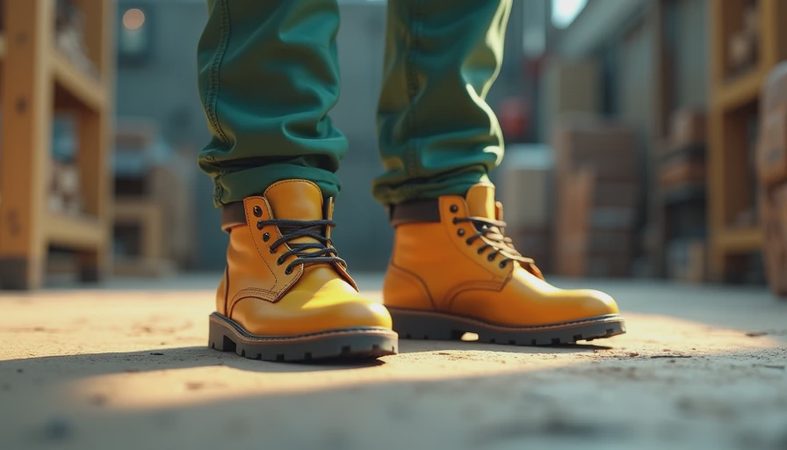
September 2018, hour 11 on the Sawtooth Complex, I stepped into a creek crossing and felt cold water roll over the top of my boot. That pair was heavy enough to feel like ankle weights and supposedly waterproof. It was neither useful nor comfortable by the end of the shift. Good lightweight waterproof work boots should keep water out without turning every mile into a leg workout. They also need a stable sole, a real heel counter, and enough protection for the work in front of you.
This guide is for construction crews, trail workers, surveyors, ranch hands, linemen, and anyone who spends a workday outside. I am not interested in a boot that looks sharp beside a camp stove. I want to know how it handles wet grass at 5 a.m., gravel after lunch, and eight straight hours on concrete. Worn in fire. Proven in dirt.
What lightweight actually means in the field
A light boot is not automatically a good boot. Some manufacturers remove useful support to cut ounces, then leave you with a thin midsole and a soft upper that folds under load. That feels pleasant for the first hour and punishes your feet by hour eight. For most outdoor work, a pair around 2.5 to 3.5 pounds per pair is a practical range. Below that, inspect the construction carefully. Above it, ask what you are carrying: a stiff shank, thick outsole, insulation, or unnecessary bulk.
The best lightweight waterproof work boots balance weight with structure. Look for a firm heel counter that does not collapse when squeezed, a midsole that resists twisting, and an outsole with enough rubber to hold on loose soil. A boot should bend near the ball of your foot, not in the middle of the arch. That simple test tells you more than a glossy product photo.
Waterproof membranes from brands such as Gore-Tex, eVent, and proprietary systems can work well, but they do not defeat water entering over the collar. A boot with a waterproof membrane still needs a gusseted tongue and a reasonable height for the conditions.
Match the boot to the job
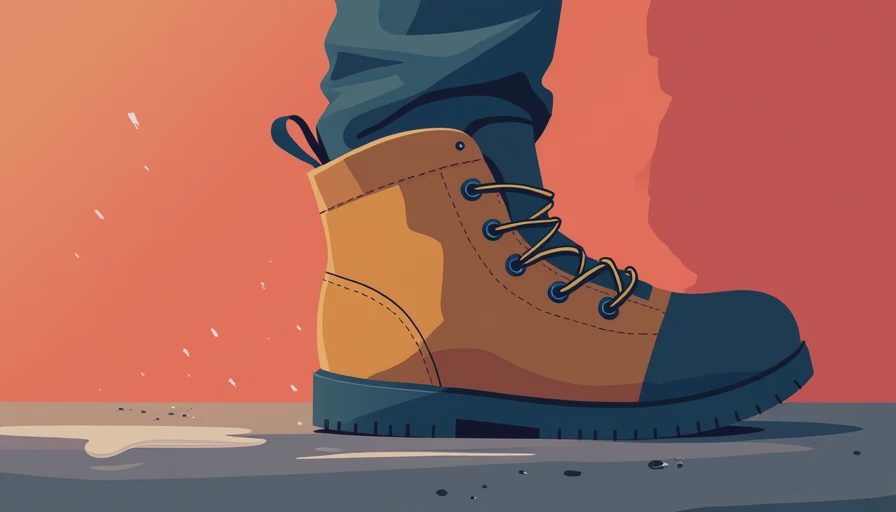
Lightweight waterproof work boots for a warehouse or delivery route do not need the same design as boots for a muddy right-of-way crew. Start with the hazard, then choose the features.
For construction and general utility work, a six-inch boot with a composite toe, slip-resistant rubber outsole, and moderate ankle support is a sensible starting point. Composite toes weigh less than steel and do not conduct cold as quickly, but they can be bulkier in the toe box. Steel remains durable and familiar, especially around heavy equipment. Neither option replaces safe work practices or your employer's required standard.
For trail work, forestry, and survey jobs, prioritize traction and torsional support. A lugged outsole from Vibram or a comparable rubber compound can help on wet roots and loose shale. Deep lugs are useful in mud, but they can feel awkward on ladders and smooth floors. For electrical work, look for footwear marked with the appropriate ASTM electrical hazard rating rather than assuming any rubber sole provides protection.
For ranch work, a waterproof leather upper can handle abrasion from gates, brush, and equipment better than a thin synthetic mesh. The tradeoff is drying time. If your boots get soaked at noon, leather may still be damp at the next morning's start unless you have a second pair.
Waterproofing is more than a membrane
A membrane is only one part of the system. Seams, tongue construction, eyelets, and the junction between the upper and sole all matter. On lightweight waterproof work boots, inspect the stitching around the toe flex point. That is where repeated bending, mud, and abrasion eventually expose weak construction.
Before the first shift, treat leather according to the manufacturer's directions. Heavy wax can clog breathable materials, while the wrong oil can soften leather enough to reduce support. Synthetic uppers usually need cleaning rather than aggressive conditioning. After a wet day, pull the insoles, open the tongue, and dry the boots at room temperature. Direct heat from a stove or truck heater can shrink leather, weaken adhesives, and warp the footbed.
A waterproof boot that traps sweat can feel just as miserable as a leaking boot. Wear wool or synthetic work socks, not cotton. Carry a spare pair in a sealed bag when the weather is uncertain. Five minutes at lunch can prevent wet skin, hot spots, and a limp back to the truck.

Fit checks that prevent a bad purchase
Try boots late in the day, when your feet have expanded from walking. Wear the socks you actually use at work. Your heel should stay mostly planted when you walk downhill, but your toes should not touch the front when you descend stairs. Leave enough room to wiggle every toe without letting the foot slide side to side.
Lace the boot from the bottom upward. If you need to crank the top eyelets tight to stop heel lift, the boot shape may not match your foot. A removable insole gives you another adjustment option, but do not use an extra-thick insert to fix a boot that is already too narrow. Walk on a hard floor, climb a step, and kneel. If the upper pinches across the instep in the store, it will not improve after eight hours under a tool belt.
Break in boots gradually. Start with two short walks, then a half shift before committing to a full day. Blisters are usually a fit problem, not a toughness test. A $180 boot that fits correctly is cheaper than a $90 pair that costs you lost work and sore feet.
Price, brands, and useful tradeoffs
Expect roughly $120 to $190 for a competent waterproof work boot from mainstream lines such as Merrell, Keen Utility, Timberland PRO, Danner, or Wolverine. Premium models from Danner and similar workwear specialists can run above $200, often adding better construction, replaceable components, or stronger support. That extra cost is not automatically justified. If the boot uses a thin outsole and weak heel counter, a famous label will not save it.
Keen Utility often emphasizes roomy toe boxes, which can suit broad feet but feel loose on narrow heels. Timberland PRO offers many jobsite-oriented designs, including safety-toe options, though model weight varies widely. Danner has a reputation for supportive work and hiking footwear, but some models need more break-in time. Merrell is often a comfortable choice for walking-heavy work, while Wolverine covers a wide range of traditional work styles. Compare the exact model, not just the brand name.
My field checklist before the first shift
Lightweight waterproof work boots should pass five checks before they see serious weather. Confirm the safety rating if your job requires one. Flex the forefoot and watch for ugly creasing across the toe. Twist the boot to judge arch support. Press the heel counter. Finally, pour a small amount of water over the upper and tongue, then inspect the inside after several minutes. This is not a laboratory test, but it can reveal a careless seam or poorly sealed tongue.
After three shifts, inspect the outsole edges, eyelets, heel lining, and toe cap. Early separation is a warning, not a personality trait. Take photographs and use the warranty while the damage is clear. Quality lightweight waterproof work boots should show dirt and scuffs, not structural failure.
On the Fire Line Scale, the right pair is at least Serviceable and earns Battle-Tested status when it stays supportive after wet miles, dries overnight, and protects your feet without dragging you down. Buy for the hazards, fit for your actual socks, and do not confuse a low number on the scale with useful design. The barrel does not lie, and neither do sore feet. Worn in fire. Proven in dirt.