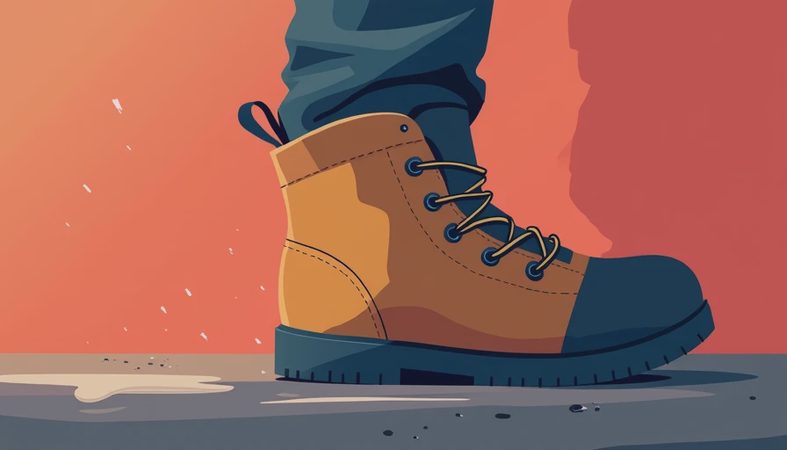
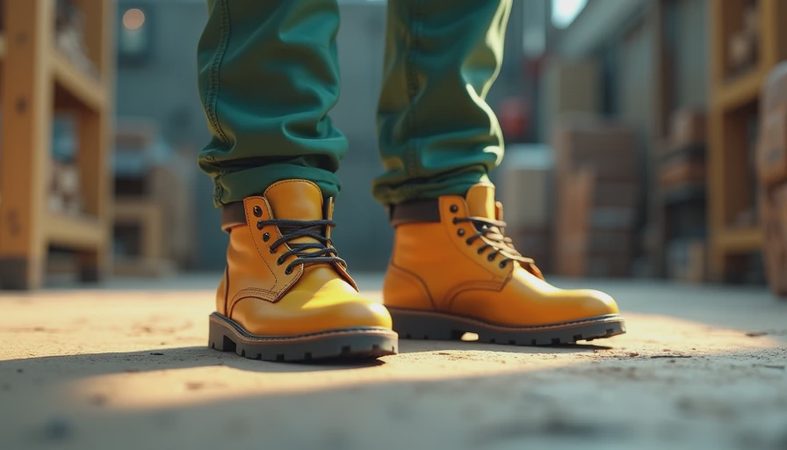
Winter work outfits are not about looking sharp beside a snow-covered truck. They are about staying warm after six hours of wind, keeping your hands useful, and avoiding a soaked base layer when the temperature drops. I learned that on long fire assignments in Montana, where a sunny morning could turn into freezing rain before lunch. The right system uses layers that work together, not one oversized coat doing all the work.
A dependable setup starts with a moisture-moving base layer, adds insulation you can remove during hard labor, and finishes with a shell that blocks wind and wet weather. Your boots, gloves, socks, and headwear matter just as much. A warm torso does not help much when your feet are numb or your cuffs are funneling snow into your sleeves.
Build Winter Work Outfits in Three Layers
The base layer sits against your skin, so avoid cotton for active outdoor work. Cotton holds sweat and dries slowly. A merino wool shirt from brands such as Smartwool or Duckworth handles temperature swings well, though quality merino can cost $60 to $110. Synthetic polyester layers from Carhartt, Patagonia, or Duluth Trading usually cost less and dry faster after a hard push. For most job sites, a $25 to $45 synthetic crew shirt is a sensible starting point.
The middle layer traps heat. A fleece pullover works for moving crews because it breathes better than a thick puffy jacket. For cold, static tasks, a synthetic insulated jacket adds more warmth without the moisture problems of down. I like a midweight fleece under a vest when using a chainsaw or climbing ladders because bulky sleeves get in the way. If your winter work outfits make it difficult to reach, kneel, or shoulder a tool, they are too heavy in the wrong places.
The outer layer stops weather. Look for a durable nylon or canvas shell with a hood that moves when you turn your head. A rain shell is useful, but thin ultralight fabric can snag on framing nails, brush, and metal edges. For rough work, the shell should have reinforced elbows, a strong zipper, and enough room for your insulation underneath.
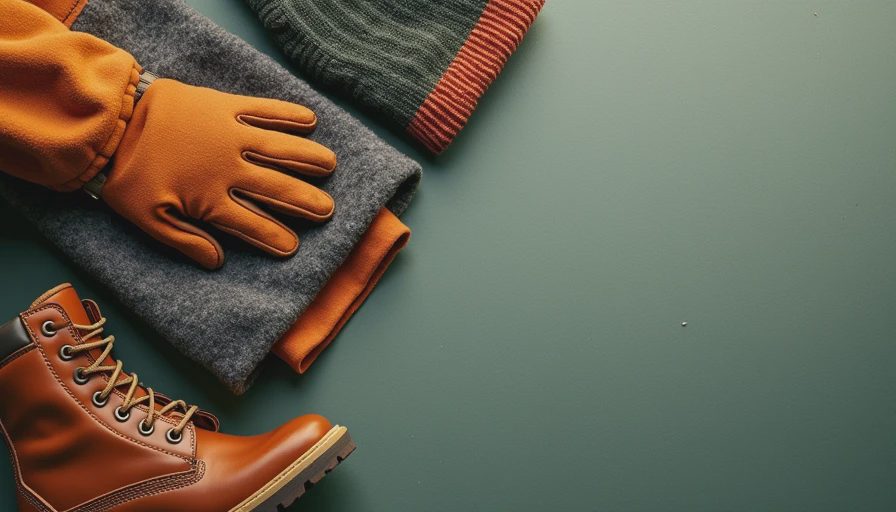
Pants and Boots Decide Whether You Stay Productive
Cold-weather pants need more than a flannel lining. That lining feels warm in the truck but can become clammy during a long climb. I prefer a rugged canvas or stretch work pant over a base layer, with room for knee movement. The Duluth Fire Hose Flex and Carhartt Rugged Flex lines are practical examples, though the best choice depends on your task and fit. Reinforced knees are worth paying for if you spend time on concrete, roofs, or frozen ground.
For deep cold, add merino or synthetic long underwear beneath your work pants. Avoid stacking two stiff layers that bind behind the knee. A good test is simple: squat, step over a tailgate, and kneel without the waistband sliding down. If the pants pull hard across your thighs in the store, they will be worse after you add a thermal layer.
Boots should have enough room for winter socks without squeezing your toes. Tight boots reduce circulation and make feet colder. Insulated waterproof boots can be useful for snow removal, utility work, and stationary shifts, while uninsulated leather boots with a quality sock system may work better for constant movement. Darn Tough, Fox River, and Wigwam make durable sock options. Carry one dry spare pair in a sealed bag; that small habit has saved more shifts than expensive boot treatments.
Winter Work Outfits for Hard Labor and Slow Work
Your activity level should determine insulation. A lineman climbing poles or a construction worker carrying materials generates heat quickly. That worker needs a breathable base, light fleece, and shell vents rather than a giant parka. A flagger, security worker, equipment operator, or surveyor standing in wind needs more insulation, especially around the core and thighs.
For active work around 20 to 40 degrees Fahrenheit, I often start with a synthetic base, grid fleece, canvas pants, and a wind-resistant jacket. For below-zero starts, add an insulated vest or jacket before leaving the truck, then open vents when the work rate rises. Keep the heavier layer close by instead of wearing it until sweat soaks your shirt. Sweat is a liability when the engine stops and the wind comes up.
A good example is the difference between a bulky Carhartt winter coat and a lighter shell over a fleece. The heavy coat wins while standing beside a plow, but the layered setup is easier for shoveling, climbing, and loading material. Winter work outfits should match the shift, not just the forecast printed on your phone.

Gloves, Hats, and Small Details That Matter
Gloves are where many winter work outfits fail. Thin liners preserve dexterity, but they do not replace insulation in wet cold. Keep a pair of durable leather or synthetic work gloves for handling rough material and a warmer insulated pair for breaks or stationary work. Mechanix Wear gloves can be useful for tool handling, while Kinco leather gloves are a proven budget choice after they are treated and broken in. Do not wear a glove so tight that your fingers touch the end.
A wool or synthetic beanie should cover your ears without sliding under a hard hat. When safety rules require a helmet, choose a compatible winter liner rather than stuffing a thick hat underneath and changing the helmet fit. Neck gaiters block drafts and can be pulled over your face during wind, but avoid loose fabric around rotating equipment.
Bring chemical hand warmers as a backup, not as your whole cold-weather plan. Keep them in mittens or a jacket pocket, not directly against bare skin for hours. Pack a dry shirt, spare socks, and a plastic bag for wet clothing. These items cost little and prevent a minor weather problem from becoming a miserable ride home.
A Field-Tested Buying Plan
Start with the pieces closest to your skin. Spend $25 to $80 on a reliable base layer, then buy one versatile fleece in the $50 to $130 range. Add a durable shell only after you know how much room you need. A $100 jacket that fits over your layers and survives two seasons is a better purchase than a $300 coat that restricts movement or tears on the first job.
Before buying, check the zipper with gloves on, test every pocket, and sit in the position your work requires. Reach overhead, climb a step, and bend at the waist. Make sure the hem does not ride above your belt and that cuffs close over gloves. Read the care label too. Some insulated garments lose performance when washed incorrectly, while canvas jackets often need a little breaking in before they feel natural.
The barrel does not lie, but neither does a full shift outside. If a seam splits, a cuff wets through, or a zipper jams after three cold mornings, the garment has told you what the catalog did not. Replace weak pieces instead of rebuilding your entire wardrobe every winter.
Final Field Check
The best winter work outfits let you regulate heat without stopping the job. Start dry, layer for movement, protect your feet, and carry one complete backup layer. Choose durable materials over decorative features, and do not confuse a high price with field readiness. I would rather see a crew in properly fitted $40 base layers and dependable canvas pants than in expensive gear that stays in the truck.
Before the first serious storm, wear the full setup for a half-day. Climb, kneel, drive, carry, and handle the tools you use every day. Fix the hot spots before the cold exposes them. On the Fire Line Scale, a practical layered system is Battle-Tested when it keeps you warm, mobile, and dry through a full shift without constant adjustment. Worn in fire. Proven in dirt.