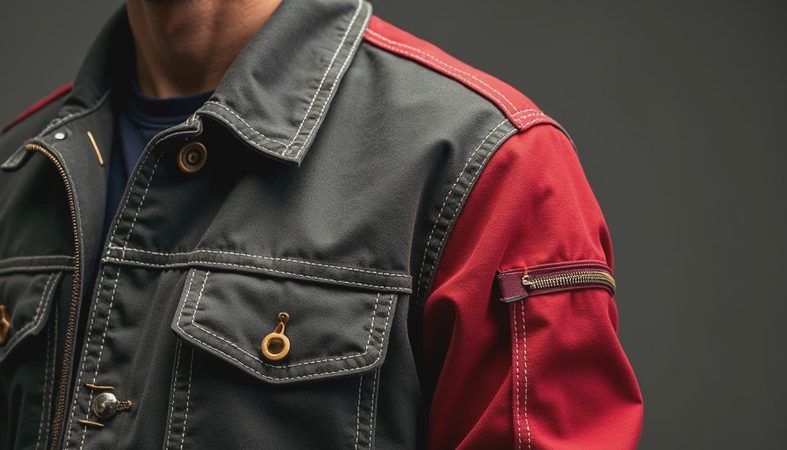
A good work jacket is not about looking rugged at the coffee shop. It is the layer you grab when the sun is down, the wind is stiff, and your shirt is already damp by 0700. I have worn enough cheap shells, canvas coats, and lined cotton pieces to know this: a work jacket only matters if it survives climbing a ladder, dragging hose, throwing a saw chain, or riding in a cold truck cab without bunching at the shoulders. If it fails there, it is just closet decor.
Materials that earn their seams
The first thing I look at is fabric weight, because that tells you more than the hangtag ever will. Cotton duck and tight canvas still make sense for rough use because they take abrasion better than light twill and they do not melt the way many synthetics do when they get near sparks, exhaust heat, or a welding splash. Waxed cotton brings water resistance, but it also brings maintenance, so do not buy it if you want a throw-it-in-the-washer life.
You will see brand names like Carhartt, Dickies, Duluth Trading, Filson, and Walls in this lane. Some are built for farm work, some for shop duty, some for old-school field use. Price tells part of the story, but not all of it. A $70 jacket can be honest if the stitching is right and the fabric is heavy enough. A $220 jacket can still disappoint if the cut is sloppy or the lining twists after two washes. The barrel does not lie, and neither does a week of hard wear.
Fit, cuffs, and pocket layout
If your work jacket binds when you reach overhead, crawl under a rig, or swing a hammer from the side, the cut is wrong. I want enough room through the shoulders to layer a hoodie or a base layer, but not so much room that the hem flaps around when I am moving fast. Sleeves should cover the wrist bone when your arms are out in front of you. If they ride halfway up your forearm, cold air will find you every time.
Pockets matter more than most buyers admit. Hand pockets need to be deep enough for gloves, not just a set of keys. Chest pockets should close with snaps or zips if you carry a phone, a notebook, or a tape measure. A storm flap over the main zipper helps on windy days. Knit cuffs can be nice in the cold, but they need to hold their shape. If the cuffs stretch out in one season, the rest of the coat usually is not far behind.
Warmth without turning into a sweat box
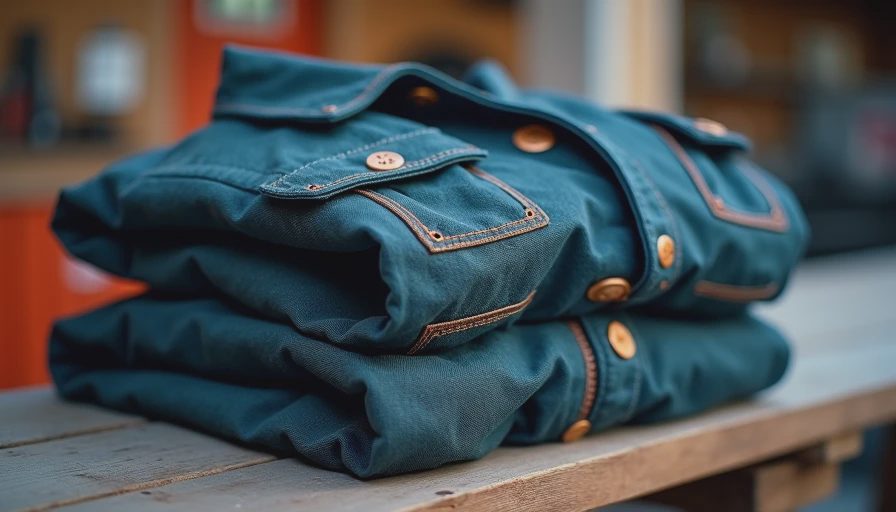
For cold starts, a work jacket with a quilted liner or a pile lining can help, but only if you are honest about how hard you move once the day starts. If you spend the morning feeding a stove, checking fence, or walking a site, too much insulation turns into sweat, and sweat turns into a cold problem as soon as the wind picks up. That is why I usually prefer moderate insulation plus a good base layer over a giant puffy coat for labor.
If you are around sparks, grinders, or hot exhaust, stay away from flimsy fleece shells and cheap polyester blends unless the job is light and the heat is far away. Cotton duck, wool blends, and heavier canvas are not magic, but they give you a better chance when the environment gets ugly. For wet weather, a water-resistant finish helps with drizzle and snow, but it is not a rain shell. If you need full rain protection, carry a separate layer instead of asking one coat to do three jobs badly.
What to buy with real money
A lighter work jacket can be the right call if you spend half the day in a cab, service truck, or shop. In the $60 to $120 range, look for honest cotton duck, decent stitching, and hardware that does not feel like toy parts. Around $150 to $250, you should expect heavier fabric, better pocket placement, reinforced elbows, and a lining that stays put. Above that, you are paying for premium cloth, tighter construction, and a better fit, not automatic toughness.
If you are comparing options, look at Carhartt duck, Dickies Eisenhower styles, Duluth Trading workwear, or Filson Tin Cloth for tougher outdoor use. Those names cover different jobs, so do not shop by label alone. A shop coat and a brush coat are not the same animal. Check for YKK zippers, triple-needle stitching, bar-tacked stress points, and seams that are finished cleanly inside. If the seller does not show the inside of the coat, that usually tells you enough.
How to keep it alive
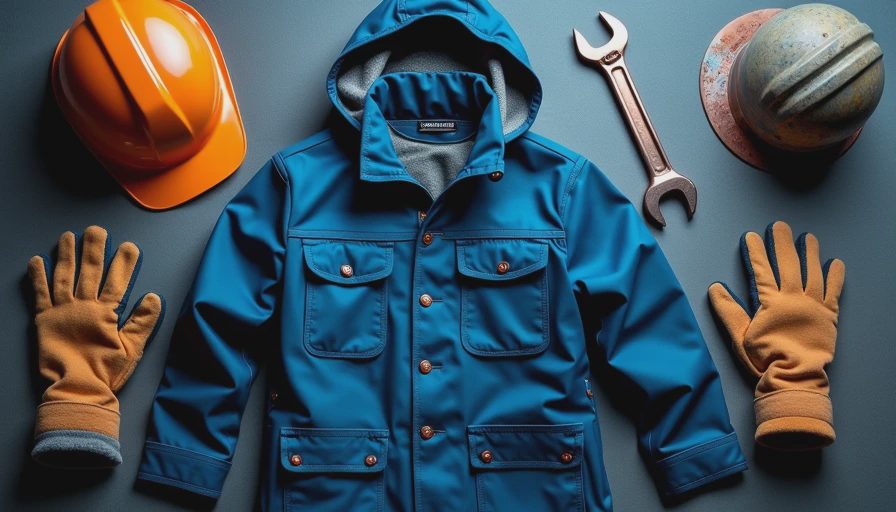
Even a solid coat dies early if you treat it like gym clothes. Wash cold unless the care tag says otherwise, and skip the hot dryer when you can. High heat beats up cotton, cooks water-resistant finishes, and wrecks elastic trims. If the jacket is waxed, clean it gently and reproof it when water stops beading. If a cuff seam starts to open, fix it before the rip runs up the sleeve. A ten-dollar repair now beats a dead coat in February.
I also like a two-jacket rotation when the budget allows it. One lighter shell for shoulder season and one lined piece for winter will outlast a single do-everything coat because each one gets fewer brutal days. That matters if you work in dust, smoke, salt, or grease. It also keeps you from making bad compromises, like sweating through insulation in October just because the calendar says fall. Buy the work jacket that matches the worst day you expect to see, not the easiest one on the rack. If you live in wind, buy for wind. If you live around sparks, buy cotton or wool. Worn in fire. Proven in dirt.