September 2018, the Sawtooth Complex, hour eleven. Snow had started pushing through the timber, and my regular work pants were soaked from the knees down. That was the shift that taught me why insulated bibs matter. They keep the cold off your kidneys, give your legs another barrier against wet brush, and let you work without constantly yanking your shirt back into place. I have worn insulated bibs through Montana winters, trail work, snowmobile repairs, and long days around engines. The good ones earn their keep. The bad ones turn into heavy, sweaty sacks before lunch.
What makes insulated bibs useful on a real shift
A solid pair of insulated bibs does more than add a layer of polyester fill. The bib panel covers your lower back and torso, which is useful when you bend, climb, or sit in a truck. Ordinary winter pants often leave a gap between your belt and jacket. That gap is where wind finds you. Insulated bibs close it without requiring three tucked-in shirts.
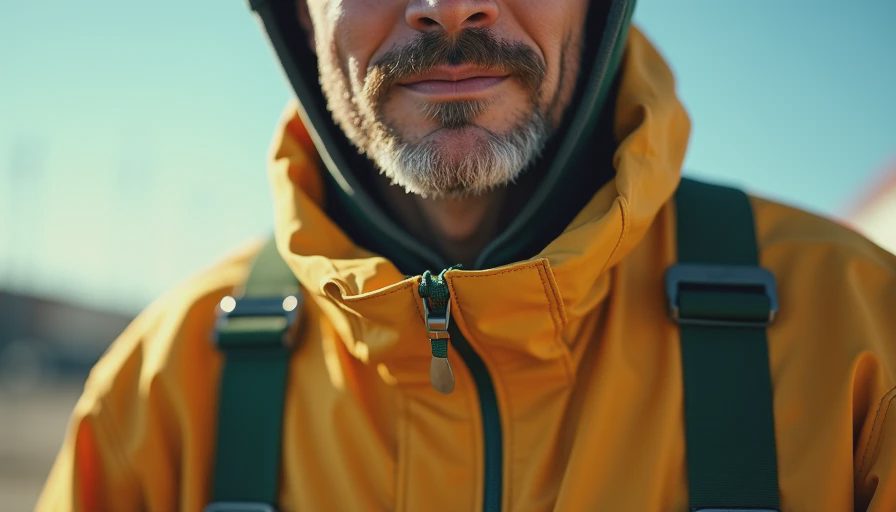
Look for adjustable suspenders with wide straps and metal or heavily reinforced buckles. Narrow elastic straps dig into your shoulders after eight hours. The side openings should be large enough to reach your base layer and pockets underneath. A full-length leg zipper is useful when you are wearing work boots, but it needs a storm flap or a reliable seal. Otherwise, the zipper becomes a cold air intake.
The insulation rating also needs context. A heavily insulated pair can be comfortable below 20 degrees Fahrenheit when you are standing around, but miserable when you are dragging hose, shoveling snow, or climbing ladders. For active work, moderate insulation with room for a merino or synthetic base layer usually beats the thickest option on the rack.

Materials, fit, and the failure points I inspect first
Most insulated bibs use nylon or polyester shells. Polyester handles abrasion well and dries quickly, while nylon can feel tougher against sharp brush depending on the weave. Neither fabric is automatically fire resistant. If your job involves flame exposure, hot ash, or welding sparks, read the actual fabric and safety specifications. Warm does not mean flame safe, and a synthetic shell can melt long before it looks damaged.
I check the knees, seat, cuffs, and suspender attachment points before anything else. Those areas take the beating. A useful knee should allow you to kneel without pulling the bib panel against your throat. Articulated knees help, but extra fabric alone is not articulation. Try climbing stairs, squatting, and stepping over a tailgate while wearing the pair.
Sizing deserves more attention than the waist number. Insulated bibs should leave enough space for a base layer and fleece without hanging loose around the knees. Too tight, and the insulation compresses and loses warmth. Too loose, and the cuffs catch on equipment. Measure your actual waist at the spot where the bibs will sit, then compare it with the manufacturer chart. Do not assume your jeans size transfers directly.
Water resistance is not the same as waterproofing
Many work bibs have a durable water-repellent finish. That helps snow bead on the surface during the first part of a shift, but it does not make the garment waterproof. In wet snow or steady rain, water eventually reaches the face fabric, then the insulation. Once the fill is wet, warmth drops quickly and drying it overnight can be difficult.
For plowing, winter construction, or wet trail work, inspect the seams and fabric more closely. A waterproof membrane and taped seams provide better protection, but they can reduce breathability and raise the price. In the $100 to $180 range, you can find practical work pairs with water-resistant shells and durable zippers. Around $200 to $350, brands such as Carhartt, Berne, and Walls commonly offer heavier construction, more insulation, or better weather protection. Price alone does not tell you which pair will survive your job.
Carry a shell jacket when precipitation is serious. Bibs protect your legs and core, but they do not cover your arms or shoulders. The complete system matters more than one impressive fabric claim on a hangtag.
Comparing common workwear choices
Carhartt insulated bibs are easy to find, and their heavier duck fabric suits carpentry, farm work, and general winter labor. The tradeoff is stiffness when new and noticeable weight once the insulation gets thick. Break-in takes time, especially around the knees.
Berne insulated bibs often compete on price and provide practical features for snow removal, warehouse work, and weekend chores. They can be a sensible buy when you need warmth but do not want to spend premium outdoor money. Check the hardware and zipper operation before purchase because those small parts determine whether the garment remains useful after repeated washing.
Walls insulated bibs are another workwear option, with models aimed at cold conditions and rugged use. Their fit can feel roomier than some fashion-oriented winter gear, which is helpful for layering but less comfortable if you prefer a trim cut. Duluth Trading and Dickies also make winter work options worth comparing, especially if you need unusual sizing or more pocket capacity.
For active outdoor work, technical snow bibs from brands such as Patagonia, Outdoor Research, or Helly Hansen can offer better mobility and weather protection. They often cost more and may use lighter fabrics, so they are not automatically better for crawling through scrap piles or thorny brush. Match the garment to the damage your work actually causes.
How to make a pair last through winter
Before the first shift, inspect every snap, zipper, and suspender clip. Run the zippers fully open and closed while wearing gloves. Mark any uncomfortable pressure point before the return window closes. Wash according to the care label, and avoid high dryer heat unless the manufacturer specifically allows it. Excess heat can damage water-repellent finishes, elastic, and synthetic insulation.
Do not store insulated bibs compressed in a gear bag all summer. Hang them in a dry place after they are completely clean and dry. Mud trapped around the cuffs acts like sandpaper, while road salt attacks metal hardware. A soft brush and lukewarm water usually remove more damage than aggressive detergent.
Keep a repair kit in the truck: seam grip, heavy thread, a needle strong enough for canvas, and a small piece of shell fabric. A torn cuff caught early is a ten-minute repair. Left alone, it becomes a ripped leg opening that drags through slush every time you walk.
My field verdict
Insulated bibs are worth buying when your winter day includes sitting, kneeling, snow, wind, or repeated contact with cold equipment. They are less useful for high-output work where you stay hot and sweaty from the first hour. In that case, choose lighter insulation and a breathable shell, then carry an extra layer for breaks.
My Fire Line Scale puts a well-built, moderately insulated pair at Serviceable to Battle-Tested when the shell resists abrasion, the suspenders stay put, and the knees let you move naturally. I do not care how attractive the catalog photo looks if the zipper fails in a snowbank. Try them on with your real boots, bend until the fabric complains, and inspect the seams under bright light.
The barrel does not lie, but neither does a long January shift. Buy for the work in front of you, not the temperature printed on the package. Worn in fire. Proven in dirt.