September 2018, Sawtooth Complex, hour 11. I was dragging hose through black dirt, climbing over a downed fir, and wishing I had worn something with better knee protection. My pants caught on every branch. The pocket tore before lunch. That day taught me why bib overalls still make sense when the work is dirty, physical, and long. Good bib overalls keep your waistband covered, carry tools without pulling your pants down, and give your torso another layer against bark, sparks, dust, and weather.
I have worn them on trail crews, around the shop, and during shoulder-season chores in western Montana. The right pair feels like equipment. The wrong pair feels like a canvas sack with straps. Here is what matters before you spend your money.
What Makes Bib Overalls Work-Ready
Start with the fabric. Cotton duck remains the standard because it is dense, abrasion-resistant, and comfortable after it breaks in. A 12-ounce duck fabric is a sensible middle ground for construction, ranch work, and general outdoor labor. Lighter 8- or 9-ounce fabric moves easier in summer but will show wear sooner around the knees and pockets. Heavy 14-ounce material can survive years of abuse, though it gets stiff and hot during hard climbs.
For wet conditions, cotton duck is not waterproof. It will absorb rain and become heavy. A synthetic blend dries faster, but some blends do not tolerate heat well. I am careful around open flames, exhaust, and hot equipment. These are work clothes, not certified wildland fire PPE. Do not treat ordinary bib overalls as protection from flash fire or extreme heat.
Look closely at the stress points. The shoulder strap attachments should have wide stitching, not two decorative rows. Pocket corners need bar tacks or reinforced rivets. The fly zipper should run smoothly while seated. A double-layer knee is useful even if you never add pads because it slows wear from kneeling on gravel or crawling under equipment.

Fit and Movement Matter More Than the Size Tag
Sizing bib overalls by waist measurement alone is a mistake. You need room through the seat, thighs, and chest, plus enough strap adjustment for a base layer underneath. Try them on with the shirt or jacket you actually wear. Sit in a truck, climb a step, squat, and reach overhead. If the straps pull tight across your shoulders when you bend, the cut is wrong.
The waistband should not carry all the tension. Properly adjusted straps distribute the load across your shoulders while the bib rests flat against your chest. If the bib sags away from your body, tools can catch on it. If it presses hard into your ribs, you will notice it every hour of a ten-hour shift.
Carhartt, Dickies, and Duluth Trading all offer familiar workwear cuts, but their sizing and fabric weights differ by model. Carhartt’s classic duck styles usually feel stiff out of the package and soften with use. Dickies often offers a simpler, lower-cost option for shop work and light construction. Duluth is known for generous pocket layouts and roomier cuts. I would rather see the actual measurements than trust a label that says relaxed or loose.
Pocket Layout and Hardware in the Real World
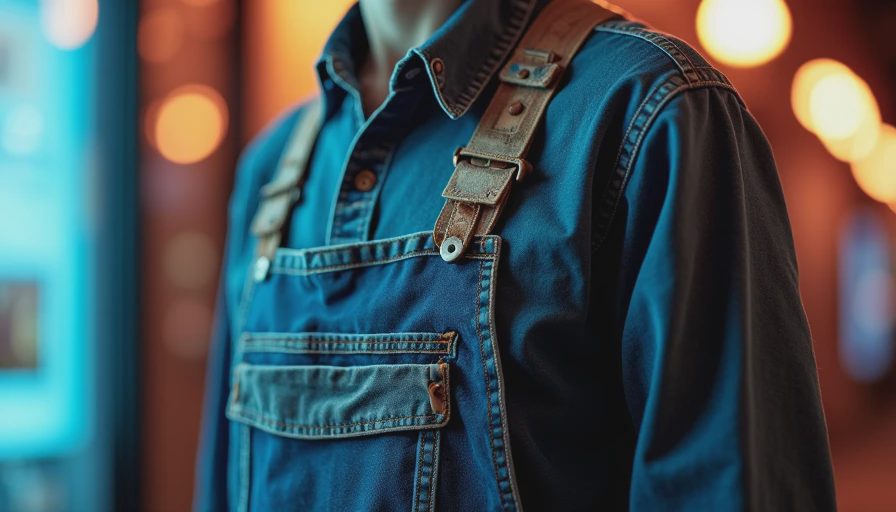
Pockets decide whether bib overalls earn a place in your rotation. A chest pocket should hold a phone, pencil, small notebook, or tape without becoming a swinging weight. A hammer loop needs to sit where your hand naturally falls. Side pockets should remain reachable when you are seated in a loader or truck.
More pockets are not automatically better. A shallow pocket full of screws becomes a hazard when you kneel. Metal buttons can scratch a vehicle or catch on a seat belt. Zippers are convenient, but dirt can jam them; oversized brass hardware is easier to operate with gloves. I prefer a simple chest pocket, deep front pockets, secure rear pockets, and one dedicated tool loop over a dozen awkward compartments.
One field test is simple: load the pockets with your normal kit, then walk, kneel, climb, and climb back into a cab. If the garment twists or the shoulder straps dig in, the layout is working against you. Bib overalls should carry gear without changing how you move.
Choosing a Pair for the Job
For construction and concrete work, choose midweight or heavyweight duck with double knees and reinforced seams. Expect to pay roughly $60 to $120 for a durable pair from an established workwear brand. For ranch chores, look for a roomy seat, wide leg openings, and fabric that handles hay, fence wire, and repeated washing. A pair around $50 can do the job if the stitching is solid.
For trail work and warm-weather maintenance, lighter bib overalls are easier to hike in. I would choose a breathable cotton blend or a lighter duck fabric, then accept that it will not last as long against sharp brush. For welding, firefighting, or work near serious heat, use clothing specifically rated for that hazard instead of relying on ordinary workwear.
Price is not the whole decision. A $90 pair that lasts three seasons costs less than three $40 pairs that fail at the knees every few months. I have also seen expensive garments lose a strap button before a cheaper pair showed serious wear. Inspect construction, not the logo.
Washing, Repairs, and Break-In
Wash new bib overalls before judging the fit. Many cotton styles soften and shrink slightly, especially when dried hot. Follow the care label, but avoid fabric softener because it can reduce the fabric’s natural feel and leave residue. Turn them inside out if the color matters to you, and empty every pocket before the machine finds your pencil or wire nuts.
Small repairs are worth doing early. Stitch a loose pocket corner before it becomes a hand-sized hole. Replace a missing strap button before the hardware tears through the fabric. A local tailor or shoe-and-leather repair shop can often reinforce knees and pocket openings for $15 to $40, depending on the work. Keep a needle, heavy thread, and spare buttons in the shop.
The best bib overalls develop a personal fit after several weeks. The knees crease where you kneel, the straps settle, and the fabric stops fighting your shoulders. That break-in is valuable, but only if the original cut was right. No amount of softening fixes a waistband that binds or a bib that sits too low.
My Field Checklist and Final Verdict
Before buying bib overalls, check six things: fabric weight, knee construction, strap hardware, pocket depth, inseam options, and return policy. Put them on with work boots. Confirm the cuffs do not drag and the legs do not ride above your socks when you squat. Fill the pockets with the tools you carry every day. Then sit, kneel, climb, and reach. That five-minute test tells you more than a product description.
I rate well-built bib overalls Battle-Tested when they survive repeated kneeling, sharp brush, truck seats, and weekly washing without a failed seam. Lighter pairs are Serviceable for summer chores, shop work, and trail maintenance. No ordinary pair is Barrel-Ready for direct flame; the barrel does not lie, and cotton or synthetic fabric can burn quickly when the hazard is real.
My advice is plain: buy the fabric and fit for your actual work, not the picture on the package. If you spend most days around lumber, dirt, tools, or livestock, bib overalls can protect your regular pants and make a long shift easier. Worn in fire. Proven in dirt.